Meaning
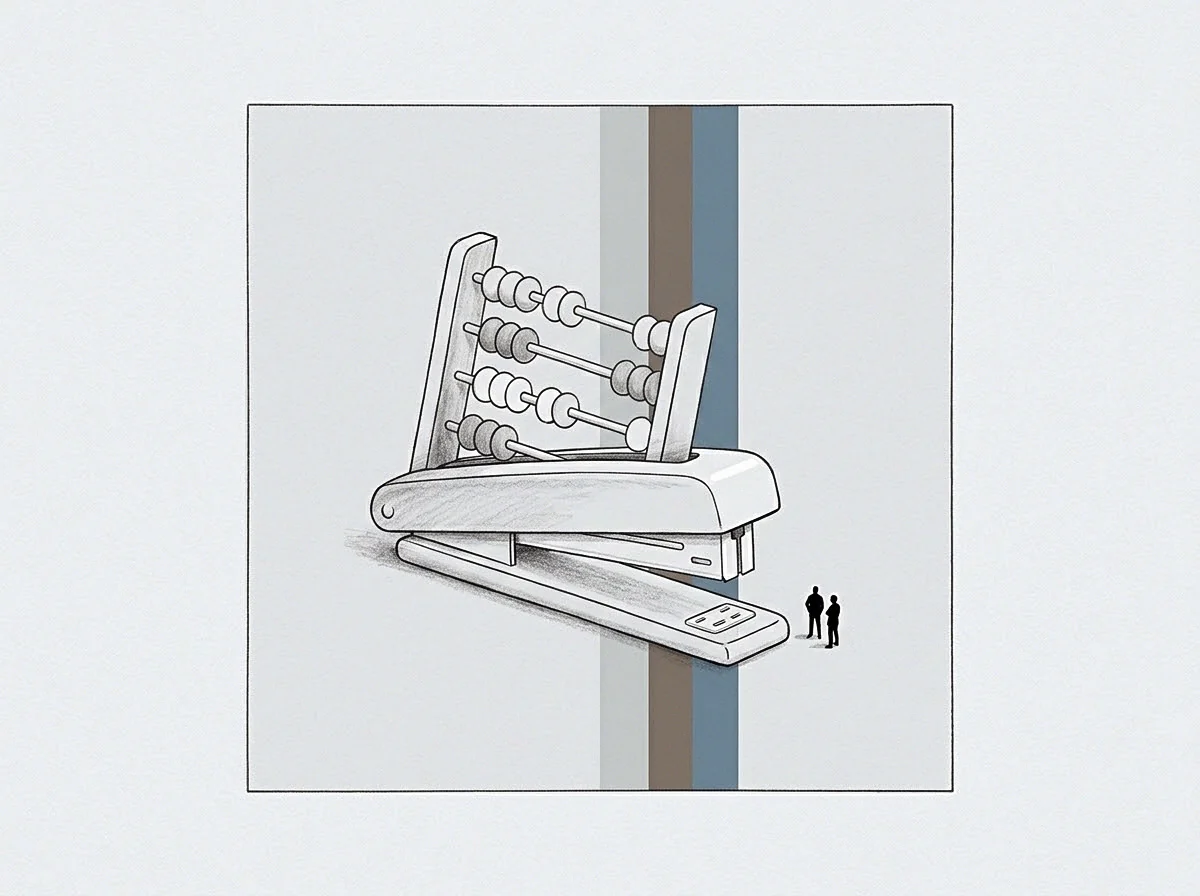
Systemic reallocation of operational stress and decision-making friction across enterprise architecture balances individual capacity against institutional demand. This management strategy, known as organizational load redistribution, transfers cognitive processing, operational accountability, and acute regulatory burden away from individual founders toward institutionalized structural layers. In the governance lexicon, the process establishes a sustainable operating envelope that protects executive attention from constant tactical disruptions.
It measures the volume of decision rights and operational throughput successfully absorbed by functional systems rather than personal attention. The practice stops applying when an existential enterprise shock breaches standard delegation layers, forcing raw operational accountability back onto top leadership.
Structural Offloading
Establishing autonomous operational layers requires the codified delegation of operational, hiring, and budgetary authority across an enterprise. By implementing organizational load redistribution, direct founder oversight is replaced with formalized governance protocols, clear management tiers, and algorithmic tracking tools. Senior operating officers assume direct responsibility for tactical revenue generation, team performance, and inter-departmental conflicts.
The enterprise constructs internal operational buffers that filter ambient volatility, ensuring only top-tier strategic paradoxes reach the principal leadership seat. Codified operating cadences standardize resource allocation, preventing sudden tactical emergencies from overwhelming executive bandwidth.
Cognitive Relief
Transferring operational weight off an individual executive lowers their sustained allostatic load and curtails vigilance fatigue. Prior to structural realignment, founders carry an exhausting personal burden, managing minor internal disputes, direct customer inquiries, and tactical cash adjustments concurrently. As redistribution takes effect, the leader shifts focus from immediate tactical triage to long-range capital allocation and core strategic architecture.
This reduction in daily operational inputs frees up intellectual capacity, lowering acute stress responses and preserving mental stamina for high-consequence milestones. The founder swaps wide, shallow operational vigilance for deeper, focused intervals of governance oversight.
Institutional Decoupling
Enterprise durability expands as operational functions detach from the immediate physical presence or direct intervention of the founder. Systematic organizational load redistribution builds redundancy into corporate memory, documenting processes and institutionalizing decision criteria within specialized functional units. Operations continue without interruption during executive absences, signaling that tactical competence has been transferred into enterprise culture.
The corporate structure absorbs unexpected employee turnover or supply disruptions through distributed management layers rather than executive intervention. Systemic resilience rises while personal executive strain falls, establishing an operating model where the enterprise functions as an independent, self-regulating institution.