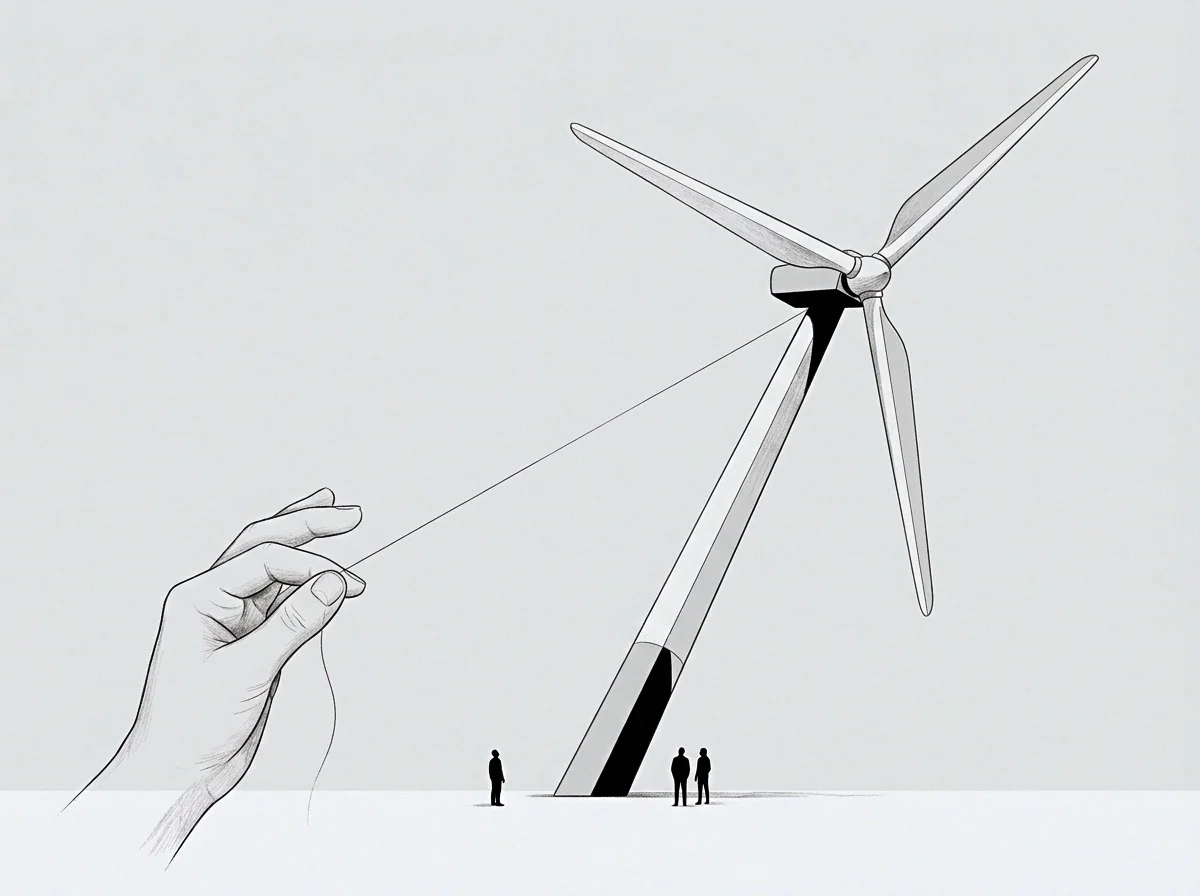
Meaning
Autonomic failure to maintain blood pressure while standing creates a state where upright posture becomes physically unsustainable. For a person under high allostatic load, orthostatic intolerance appears as dizziness or fatigue during simple physical transitions. This condition signals that the nervous system can no longer coordinate the necessary constriction of blood vessels to fight gravity.
It stops being a factor only when the person is horizontal or fully recovered.
Postural Challenge
Moving from a seated to a standing position requires an immediate and complex adjustment by the heart and vessels. In cases of orthostatic intolerance, the brain temporarily loses its steady supply of oxygenated blood. This loss results in a sharp but temporary drop in cognitive capacity.
Autonomic Compensation
Systems attempt to fix the pressure drop by increasing the heart rate to uncomfortable levels. While the body tries to adapt to orthostatic intolerance, the person experiences a racing pulse and shallow breathing. These symptoms are often misread as anxiety when they are actually mechanical failures.
Physical Limit
Standing for long periods becomes a source of exhaustion rather than a neutral state. Dealing with orthostatic intolerance forces a person to plan their day around the availability of seating and the minimization of physical movement. The cost is measured in a reduced radius of action.