Meaning
Simultaneous operational output management is the concurrent handling of several distinct administrative duties by a sole executive. Parallel task execution operates within the domain of self-regulation and taxes the capacity of the operator through continuous context switching. Attention fragments across multiple channels when workloads exceed the natural cognitive ceiling of the individual.
Physiological exhaustion follows when the operator maintains high alertness without a structured recovery interval. The boundary of this mechanism lies at the point where processing capacity drops below the threshold required for accurate decision making.
Operational Load
Cognitive bandwidth diminishes rapidly as the number of active projects increases in the daily routine of the founder. The nervous system absorbs the friction caused by frequent shifts between unrelated technical and financial matters. Attention splits into fractions that each receive only a portion of the required mental focus.
Physiological costs mount through elevated stress hormones and chronic fatigue that accumulate over consecutive weeks of high output. Available hours shrink because the fragmentation of thought prevents efficient completion of any single obligation.
Throttling Mechanism
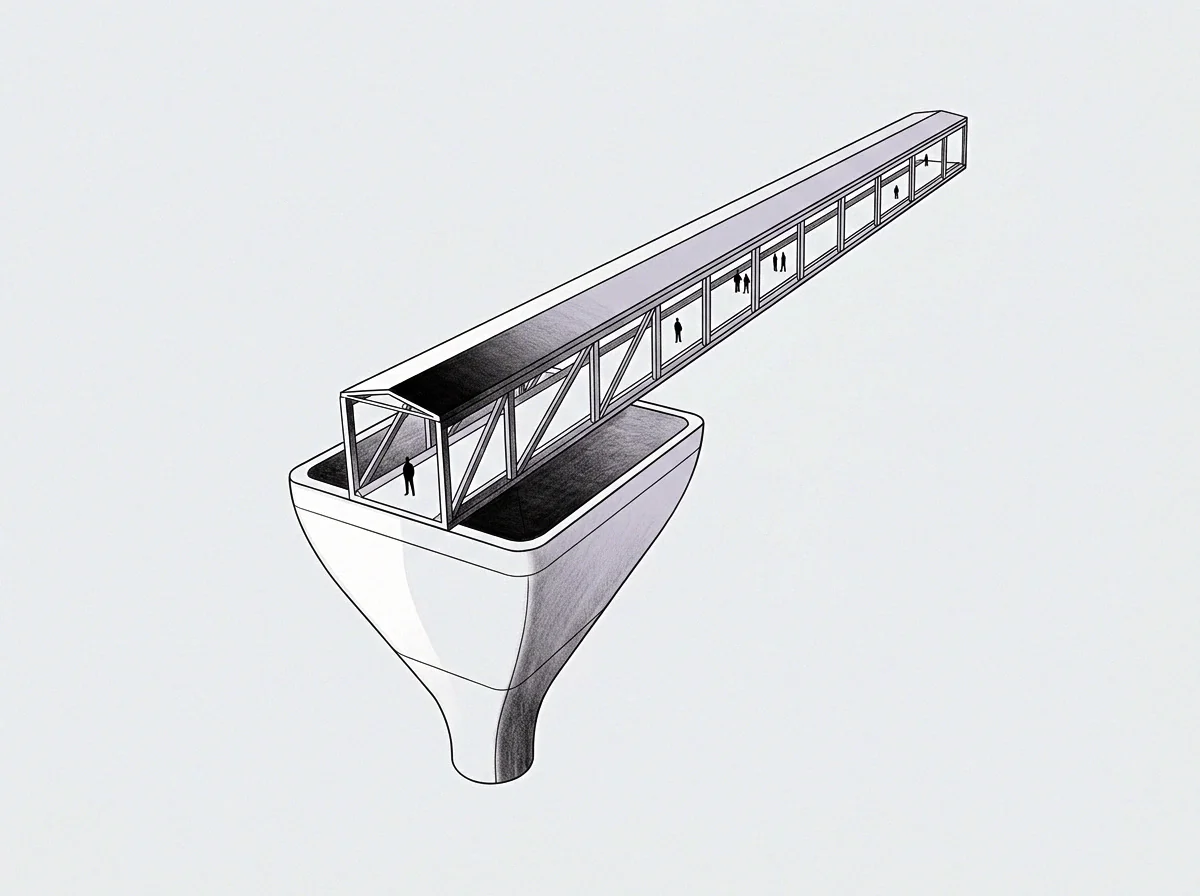
Automatic slowing occurs when demands outstrip the available operating capacity of the human mind. The biological system imposes a defensive limit that reduces processing speed to prevent total cognitive collapse. Self-regulation fails when the individual attempts to override this biological brake through sheer willpower alone.
Attention drops further as the brain struggles to maintain coherence across competing operational demands. The resulting state resembles system throttling in digital architecture where processing queues back up because throughput is restricted.
Capacity Limit
Sustained productivity collapses entirely if the operator ignores the natural ceiling of concurrent processing. The limit is absolute and determined by neurobiological constraints rather than managerial technique or personal discipline. Concurrency fails to deliver efficiency gains once the threshold of attention is crossed.
Output quality degrades measurably as errors multiply across all active fronts simultaneously.