
Asynchronous Execution Latency and Co-Founder Allocation Limits
Asynchronous execution latency spikes when cognitive concurrency limits are exceeded, requiring explicit structural bounds to preserve executive capacity.

Lag
Written messages pile up across time zones while decisions sit in unread threads. When a partner leaves three requests unanswered in an issue tracker, downstream engineering sprints stall for days. Dependencies across different calendars stop work in its tracks, dropping operating tempo as soon as one side waits on an absent review.
Engineers turn to peripheral tasks because the main path is blocked, and every open item drags on overall output.
The gap between sending an inquiry and receiving an actionable response defines asynchronous execution latency. Distributed teams lean on asynchronous messages to protect focus time, but each delayed handoff carries a real cost. Context decays over hours.
Returning to a task after forty-eight hours of inactivity forces an engineer to rebuild state from scratch, an energy cost that distributed coordination models routinely underestimate.
A distributed system degrades when handoff latency exceeds the duration of the underlying production cycle.
The breakdown is rarely technical. It marks the edge of human attention inside small leadership teams. When one person tries to handle product architecture, customer tickets, hiring interviews, and investor updates all at once, concurrency outstrips capacity.
The bottleneck forms at the desk, where no amount of effort clears an incoming backlog that outpaces hours in the day.
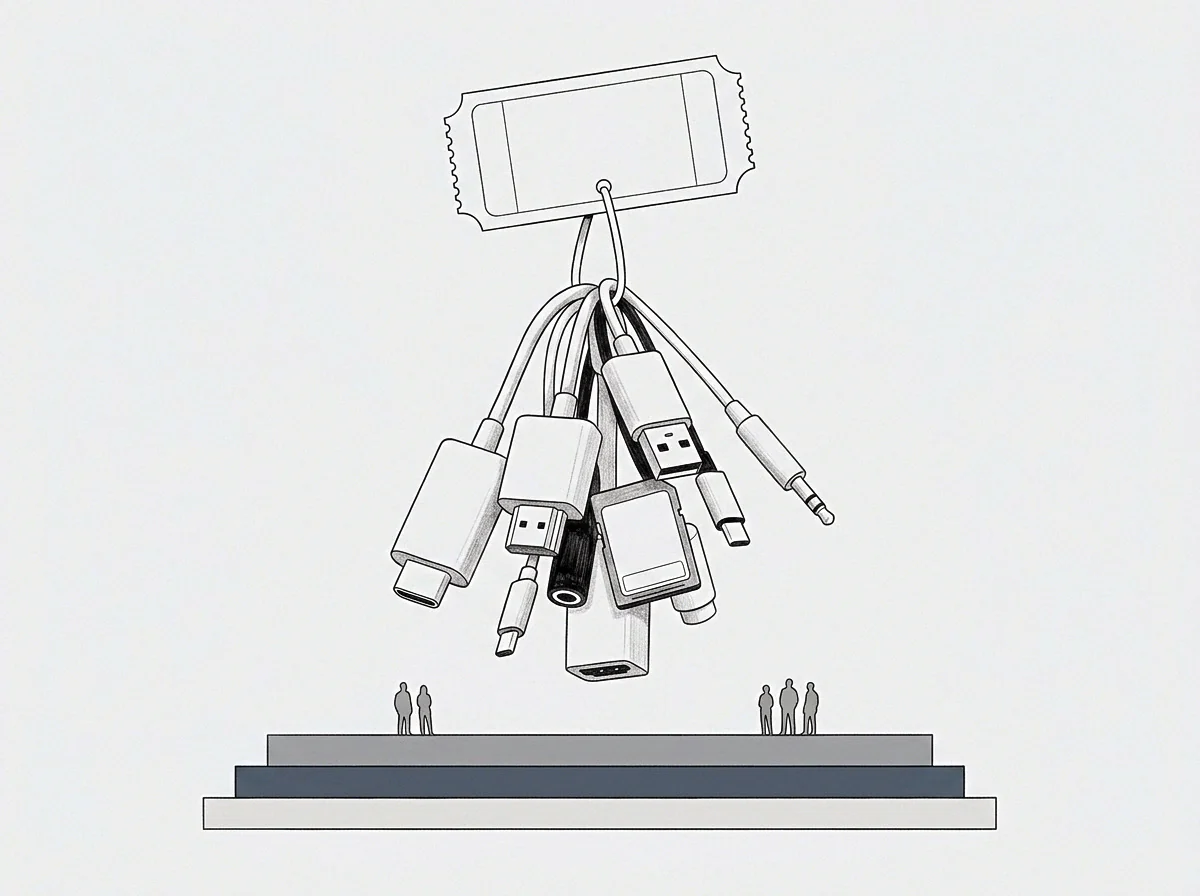
Execution Drag Across Parallel Workstreams
Unanswered messages create secondary friction through the rest of the company. If technical specifications sit in draft waiting for co-founder review, external contractors bill standby hours without shipping commits. Roadmaps slide without anyone formally updating them.
That silence reads as hesitation to a team looking for direction, and blocked developers eventually make speculative architectural bets that have to be refactored later.
Partners often read long delays personally, assuming indifference or deliberate evasion. The real cause is almost always structural overload. An executive tracking twelve concurrent threads has no margin left.
Under load, attention collapses to whatever fire is currently burning, and asynchronous channels go cold. The backlog piles up, and friction between equity partners follows quickly.
Across five time zones, progress on an approval ticket halts when one side drops into silence.

Beam
Structural members in a building carry static and dynamic loads up to their shear limit. In an early-stage company, an executive pair works under similar mechanics. Cognitive capacity, emotional restraint, and working memory serve as the foundation.
Once demands exceed what that structure can hold, stress shows up in day-to-day exchanges: problem-solving slips, patience shortens, and errors multiply across strategic documents.
Research on allostatic load details the physiological toll of adapting to sustained stress. Trying to field continuous interruptions while producing strategic work triggers systemic exhaustion. The nervous system stays on alert, cutting into analytical clarity in favor of immediate reactions.
In that state, an operator struggles to separate a routine scheduling question from an existential company risk.

Biological Limits on Executive Allocation
Cognition has hard mechanical limits that willpower does not change. Attention runs through a single channel that fractures across dozens of active threads. The concurrency limit marks the highest number of independent problems someone can push forward before decision quality drops.
Working memory reliably holds roughly four distinct operational chunks before performance falls off. Trying to track eight strategic priorities concurrently ensures mistakes across all of them.
Biological saturation transforms routine administrative coordination into an acute cognitive barrier.
When an overloaded executive hits this ceiling, they tend to pull back from communication entirely. The withdrawal protects the nervous system from collapse, but without explicit rules, partners experience it as erratic absence. Unannounced silence breaks operating loops and raises tension on both sides.
The table below outlines how operational models allocate cognitive load and execution risk between partners:
| Coordination Model | Primary Interaction Mode | Execution Latency | Cognitive Burden | Failure Expression |
|---|---|---|---|---|
| Synchronous Monolithic | Scheduled daily meetings and verbal calls | Low during overlap, high outside scheduled blocks | Severe interruption penalty and meeting exhaustion | Decision paralysis when calendars diverge |
| Unstructured Asynchronous | Continuous chat channels and tag alerts | Variable, ranging from minutes to multiple days | Continuous low-grade cognitive surveillance | Channel abandonment and unread message piles |
| Batched Asynchronous | Scheduled dispatch intervals and daily digests | Fixed predictable turnaround windows | Isolated focus blocks with controlled interruptions | Stale assumptions if blocking dependencies emerge |
| Decoupled Ownership | Domain sovereignty with minimal review gates | Near-zero latency inside separated domains | Low operational overhead, high strategic risk | Divergent technical or commercial roadmaps |
Disregarding cognitive ceilings leads directly to chronic executive burnout, fractured partnerships, and disputes over equity terms.

Queue
Incoming work forms a line whether tracked in software or held in memory. When tasks arrive faster than someone can close them, the backlog compounds. Under basic queuing theory, as utilization approaches one hundred percent, wait times climb toward infinity.
A partner running at full capacity cannot absorb an unexpected issue without throwing everyday operations into a holding pattern.
Fixing this requires defined interfaces that guard executive capacity while keeping work moving forward. When attention is treated as a scarce asset, teams set clear gates on inbound requests. Open chat channels dump raw demand straight onto leadership.
Replacing continuous messaging with structured asynchronous tickets forces the sender to define scope, context, and expected impact before hitting send.

Can Latency Protect Capacity?
Building deliberate lag into non-blocking work gives people room for deep analytical effort. The target is a predictable turnaround, not immediate replies. If a team knows an executive reviews technical proposals on Tuesday and Thursday afternoons, urgency drops.
That predictability removes the anxiety behind repetitive follow-up pings, turning latency into a deliberate operating parameter rather than neglect.
To protect operational capacity, partners set specific interface rules for daily communication:
- Stated response windows define turnaround expectations for each communication channel, cutting out the need for continuous inbox surveillance.
- Decoupled decision authorities grant individual sign-off within agreed financial and technical limits, bypassing the need for partner sign-off.
- Structured intake templates require requests to provide context, proposed solutions, and deadlines upfront before review starts.
- Batch review blocks confine message triage to set windows on the calendar, protecting long, uninterrupted blocks for focused work.
A formal policy setting seventy-two-hour review windows for standard capital purchases removes daily friction around spending decisions.
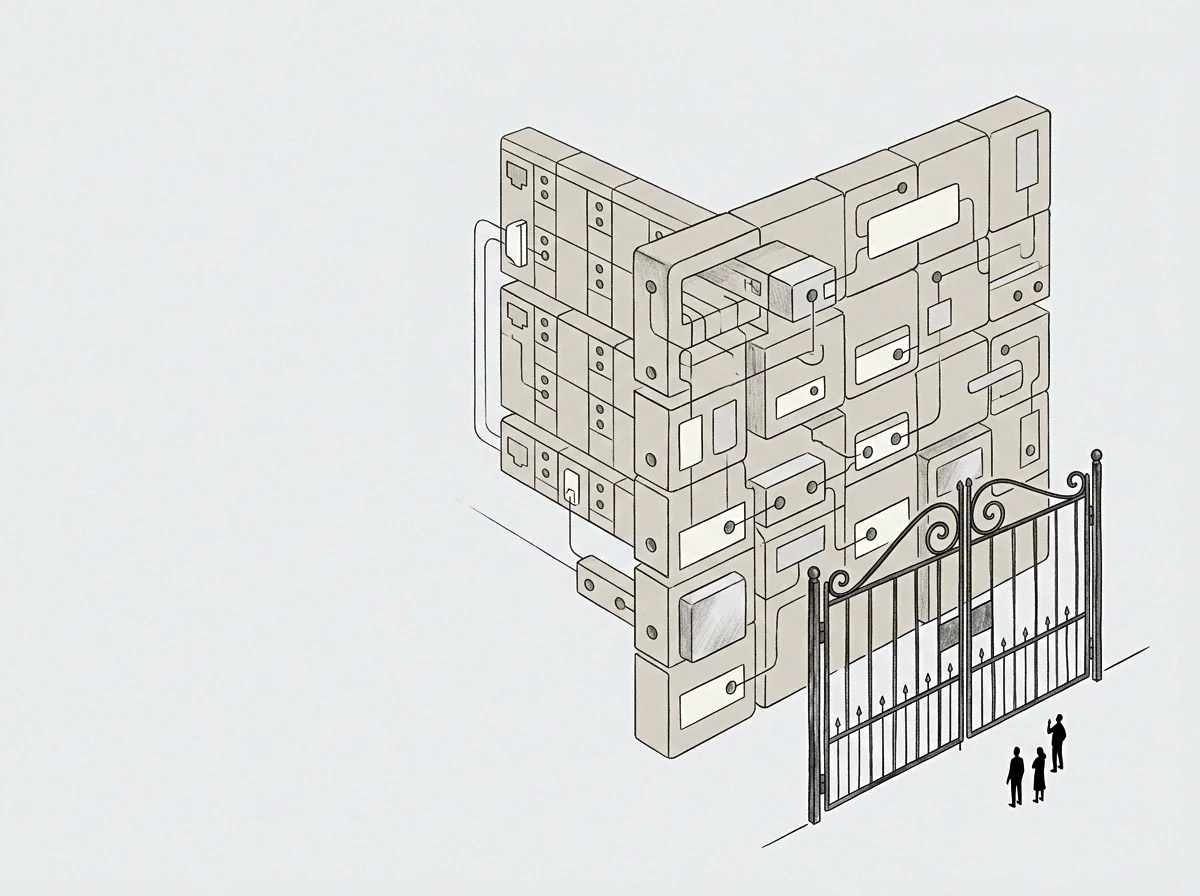
Rupture
Ongoing execution lag and unstated capacity limits eventually strain any partnership. When one person spends weeks waiting on critical-path sign-offs, goodwill evaporates. Silent expectations about availability collide with operational reality: one side feels stalled and sidelined, while the other feels hounded.
Both reactions make sense, but neither addresses the underlying structural bottleneck.
Research on the psychological contract describes how unwritten expectations shape professional ties. Early on, partners rarely define their availability boundaries, daily rhythms, or cognitive limits. They rely instead on presumed agreement formed during initial excitement.
Once operational volume builds, those unstated assumptions break under missed handoffs and unanswered pings.
Unstated expectations convert minor communication delays into major conflicts over equity terms.
When silence turns chronic, collaboration shifts. The waiting partner stops submitting requests, expecting delays before anything moves. They either route around the bottleneck entirely or stop moving work altogether.
Formal titles remain intact on paper, but shared execution has effectively collapsed.

Rebuilding Interfaces Across Broken Lines
Fixing broken workflows requires structural separation rather than interpersonal talks. Partners have to dismantle shared ownership in overlapping areas. Joint control over technical choices, hiring, and sales guarantees constant coordination lag.
Effective pairs draw clean lines of authority, giving each person complete control over distinct areas.
Once authority decouples, latency in secondary areas stops threatening the business. The product lead ships features without commercial approvals; the commercial lead closes deals without technical sign-off. Communication moves from asking permission to broadcasting status updates.
Touchpoints become less frequent, but each exchange carries higher signal.
Whether two alienated partners can move past months of friction once boundaries are reset remains an open question.

Term
Operating over the long run requires writing personal capacity limits directly into governance agreements. Informal understandings fail under strain because stress shortens goodwill and blurs memory. Clear terms protect both the operator and the venture.
Defining explicit time commitments, response windows, and separation mechanics on paper removes ambiguity before a crisis hits.
Setting a stated limit replaces personal negotiations with clear legal and operational baselines. An executive who fixes a cap of forty weekly operational hours, or a forty-eight-hour asynchronous response window, establishes predictability. The company adjusts around the term.
Contractors, staff, and investors calibrate to stated rules instead of expecting round-the-clock availability.
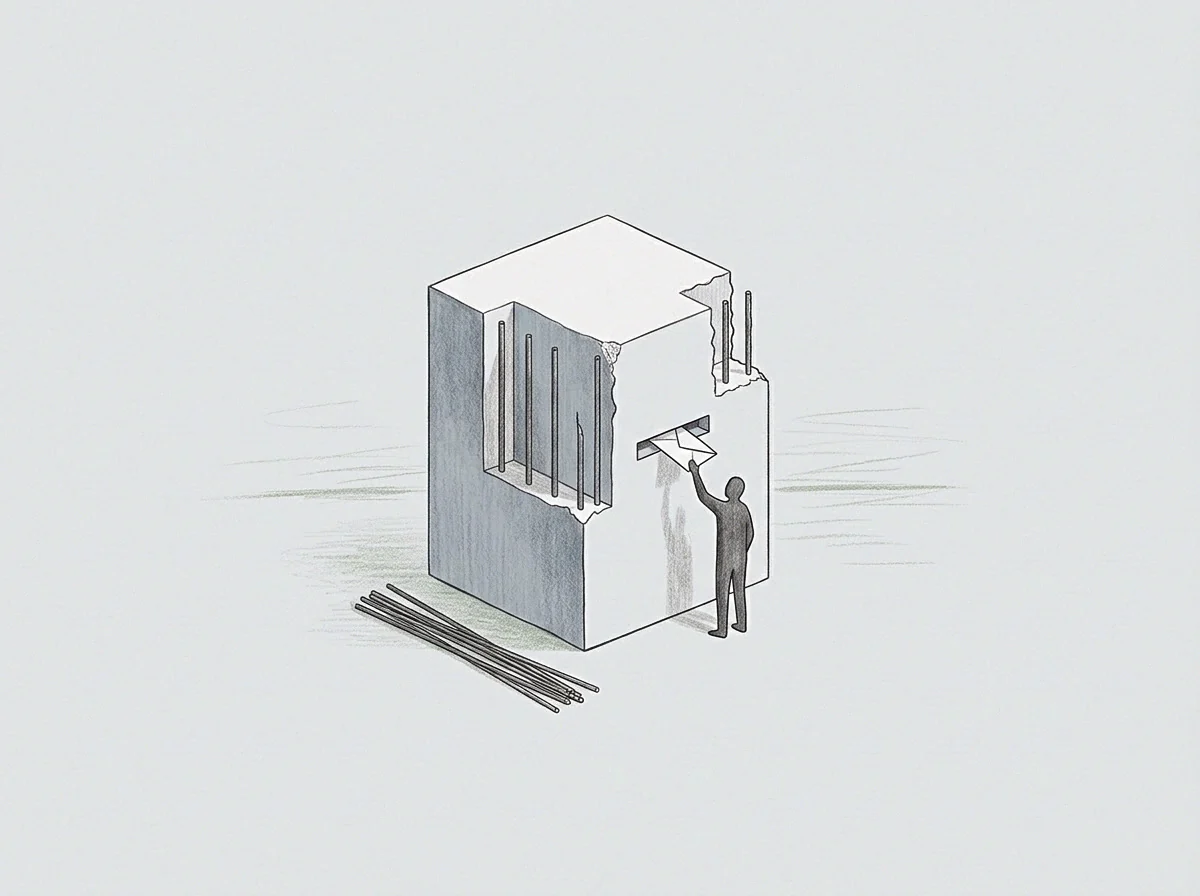
Governance Levers for Asynchronous Balance
Founder agreements need to account for actual cognitive capacity rather than startup conventions. Standard contracts assume absolute devotion, creating contractual exposure the moment an executive steps back to prevent exhaustion. Sound agreements use structured allocation clauses that measure full-time work by deliverables rather than seat time or immediate chat replies.
Explicit buy-sell terms and vesting adjustments also offer clean exits when capacity permanently diverges. If one partner can contribute only twenty hours weekly because of health or personal demands, governance rules can adjust equity terms without a courtroom fight. The adjustment stays contractual rather than personal.
Putting boundaries into operating agreements during stable periods provides clear recourse when operational strain emerges.