Meaning
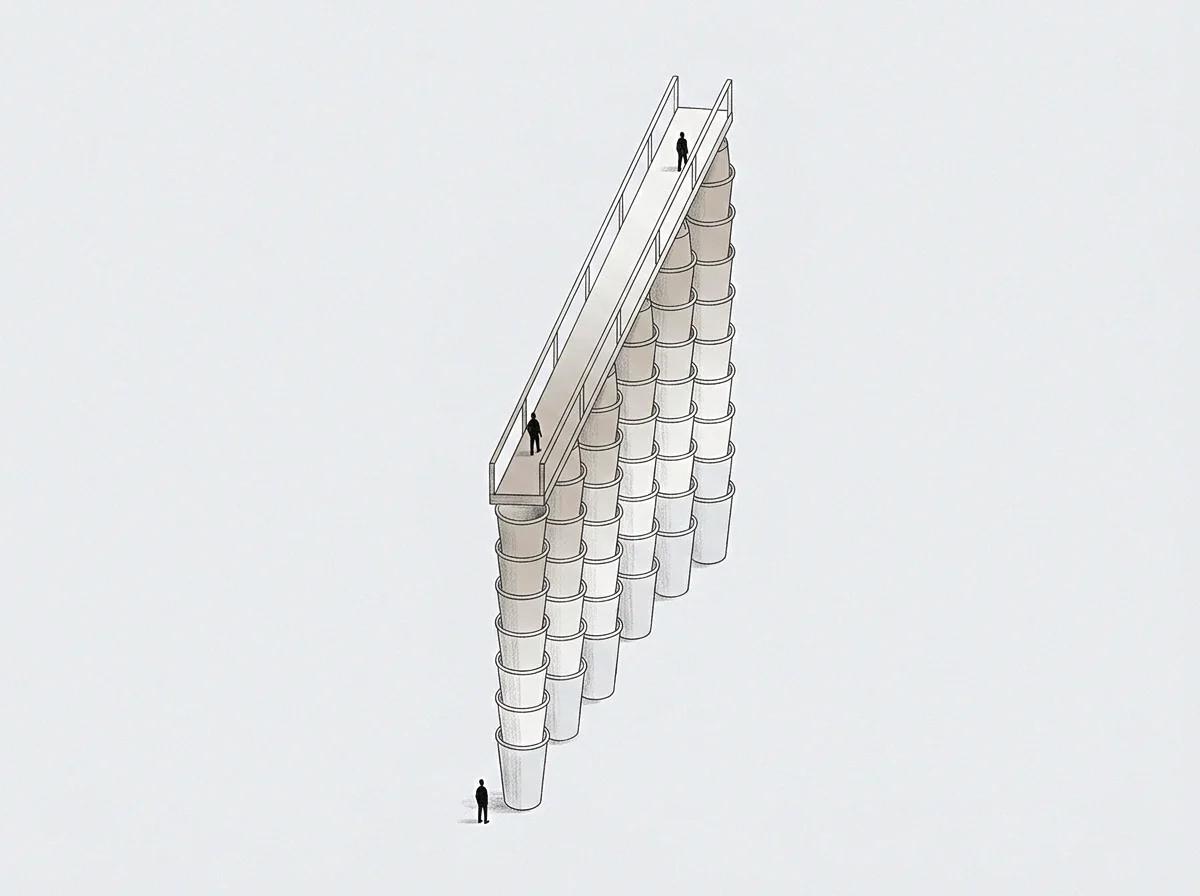
Interpersonal co-regulation allows a depleted nervous system to stabilize its autonomic state by anchoring to the physiological calm of a resilient peer. During post-founding crises, parasympathetic borrowing occurs when an overwhelmed executive relies on a grounded co-founder to reduce elevated heart rate and anxiety. External regulation provides temporary relief without building internal regulatory capacity.
Operational separation or partner depletion terminates the regulatory exchange.
Transfer Mechanism
Sustained vocal presence and steady breathing patterns from a calm partner provide sensory cues that signal safety to a dysregulated nervous system. Through parasympathetic borrowing, the distressed individual down-regulates sympathetic arousal without expending personal metabolic energy. The stabilizing partner absorbs the cognitive burden of maintaining calm, holding an autonomic baseline steady despite high ambient tension.
This regulatory offset allows the dysregulated leader to make clear tactical decisions during acute stress. Frequent reliance on external anchors shifts the metabolic burden of regulation onto the supporting peer.
Capacity Limit
Borrowing regulation relies on the presence of a resilient anchor who possesses surplus vagal capacity. If both founders face severe fatigue, parasympathetic borrowing fails, leaving both individuals stuck in sympathetic overdrive. Systemic breakdowns occur when the supporting partner’s own allostatic load exceeds their stabilizing threshold.
Co-depletion prevents effective mutual regulation.
Structural Depletion
Habitual reliance on external co-regulation suppresses internal self-regulatory development. Continuous parasympathetic borrowing leaves individual autonomic pathways unexercised during operational hardship. Independent stress tolerance degrades when external regulation is constantly available.
Autonomic independence requires unassisted stress processing.