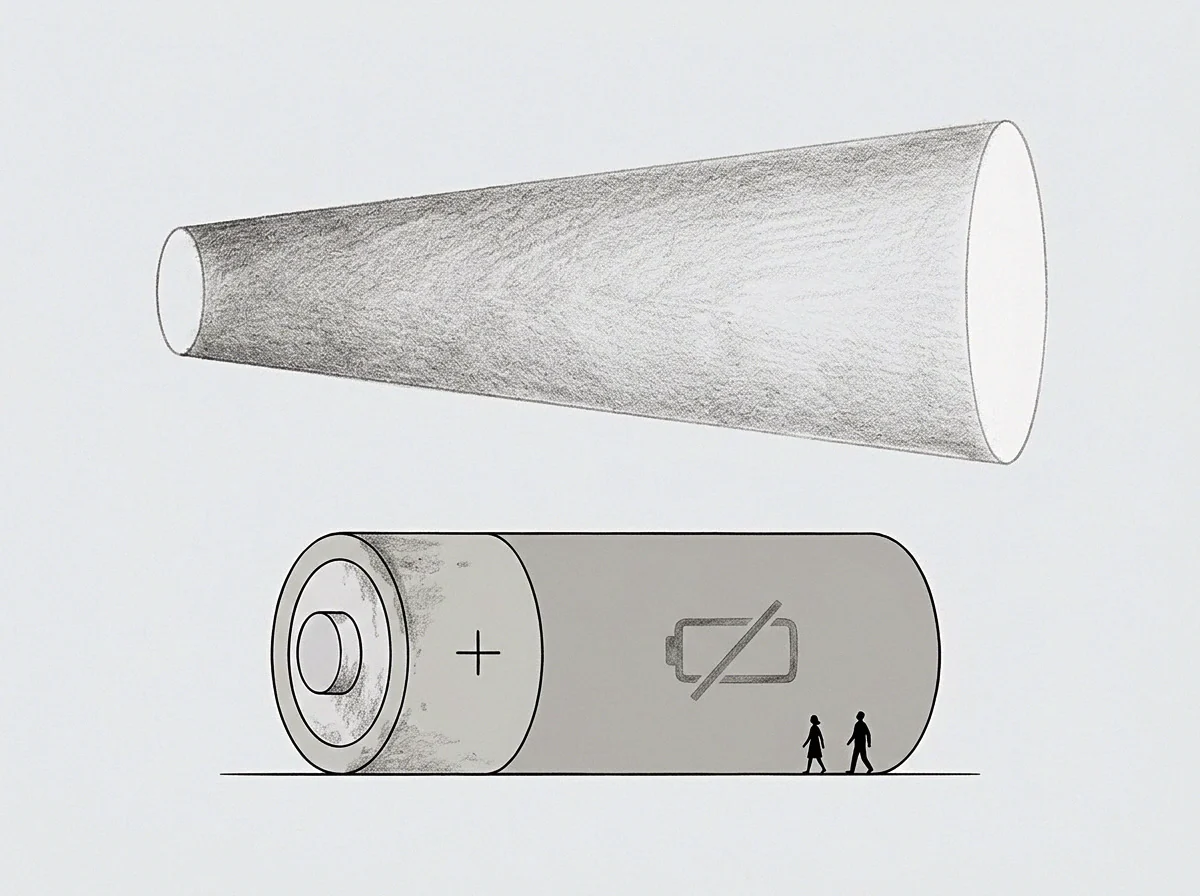
Meaning
Interruption costs associated with frequent low level communications aggregate to degrade the primary focus of a person. Small digital signals known as ping friction consume seconds of attention that eventually total hours of lost productivity. These micro interruptions break the flow of deep work and force the brain into a constant state of reorientation.
The load is measured in the time taken to return to the original task after each signal.
Attention Fragmentation
Each notification acts as a minor cognitive tax that draws resources away from complex problem solving. Although a single message seems harmless, the cumulative effect of ping friction creates a significant barrier to sustained thought. The brain must hold the state of the primary task while processing the new input.
Switching Overhead
Responding to a quick query involves a transition cost that often exceeds the time spent on the message itself. This overhead grows as the frequency of incoming signals increases. A person subjected to this constant demand experiences a reduction in their overall processing speed.
Capacity Limit
High levels of these interruptions eventually lead to a state where no complex task can be finished. The boundary is reached when the time between pings is shorter than the time required to regain deep focus. Recovery necessitates the complete silencing of secondary signal channels.