
Designing Structured Decompression Protocols To Lower Domestic Co-Regulation Friction
Structured decompression protocols isolate high sympathetic arousal during re-entry, preventing allostatic load transfer and domestic co-regulation friction.
Door
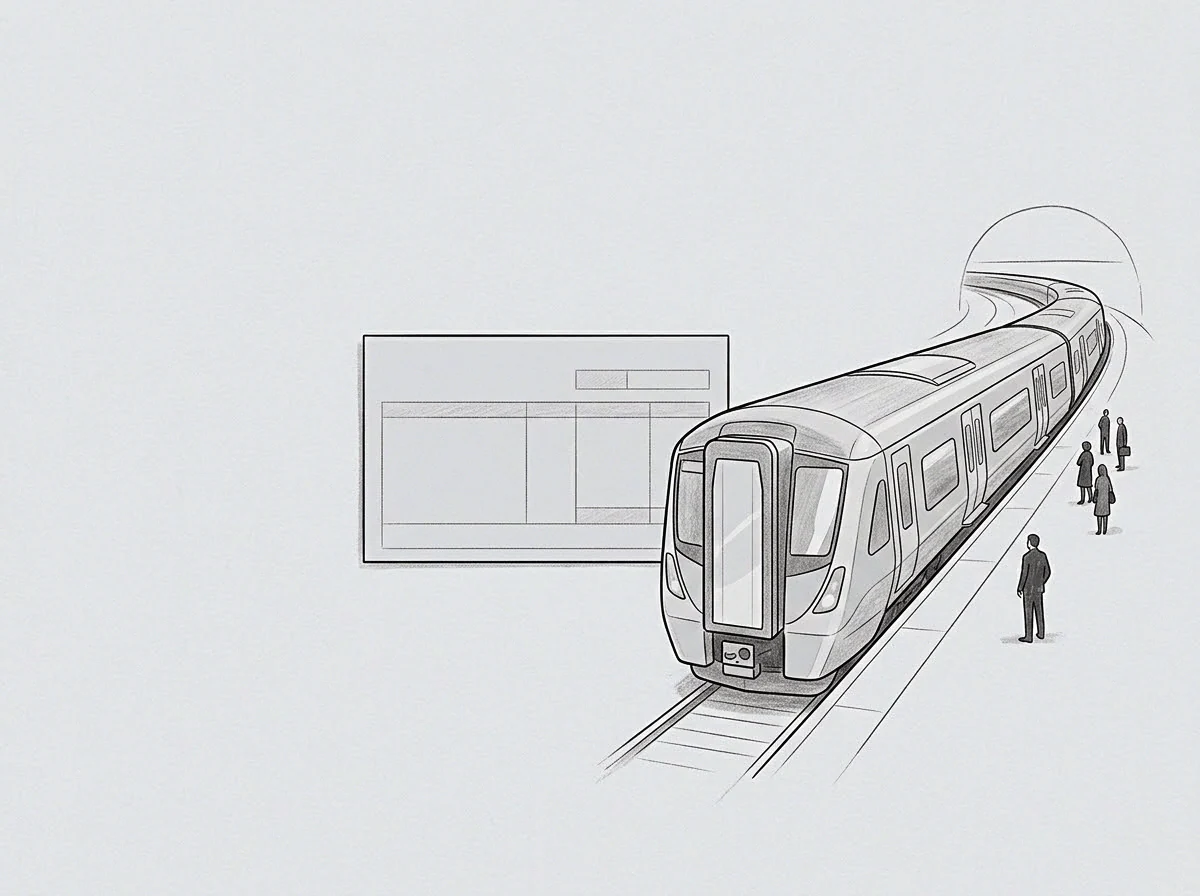
Four unread executive messages sit on an illuminated screen while an engine cuts out in the driveway. Stepping out of the car, the driver carries seven hours of continuous threat management, elevated vascular resistance, and a saturated working memory. Inside, a partner waits with an expectation of contact, looking for affective alignment after a day handling separate pressures.
The physical arrival suggests immediate availability, yet the incoming nervous system remains fixed in high-arousal metabolic budgeting. Bids for connection register less as overtures of comfort than as competing demands, triggering a quick physiological spike.
Co-regulation relies on the mutual adjustment of autonomic states between partners. In close proximity, a less regulated system normally borrows stability from a calmer one, which lowers the neural cost of settling down. When one person enters carrying maximum allostatic strain, however, their physiology actively resists the downshift.
The capacity required for reciprocal attunement is spent. Routine logistical questions about dinner or schedules get treated by an overtaxed prefrontal cortex as hostile interruptions. The resulting flatness or sharp tone starts a defensive loop, because the partner reads pure autonomic self-preservation as intentional emotional withdrawal.
The Re-Entry Collision
Friction during re-entry usually comes down to mismatched regulatory readiness. The founder spent the day scanning for risk, executing rapid decisions, and conserving operational resources. That posture demands sustained sympathetic tone and tightly controlled affect.
Across the threshold, the environment suddenly calls for fluid, open attentiveness. The nervous system cannot complete that physiological shift in the three seconds it takes to turn a doorknob. The prompt demand for warmth hits an apparatus still calibrated for threat response.
Sustained high allostatic load elevates autonomic arousal, preventing affective state downshifts when physical environments change.
The domestic partner carries the direct energetic cost of this delay. When someone tries to force immediate presence while running hot internally, borrowed regulation breaks down. A rehearsed smile or a clipped answer reveals the underlying activation anyway.
Instead of finding a steady anchor, the partner feels their own nervous system rise to meet the tension in the room. Skipping the physical transition simply offloads the metabolic strain of the workday onto whoever is waiting at home.
Physical presence in the kitchen offers no actual company when the cognitive baseline remains trapped in the office.
Residue
Autonomic persistence prevents muscle tone, heart rate, and endocrine activity from settling the moment a high-stress task ends. Cortisol and catecholamines continue circulating through the blood long after work stops. Cognitive switching costs extend this tail further: attention keeps looping over unresolved technical problems, upcoming financial commitments, and daytime interpersonal friction.
Working memory queues do not clear simply because the physical setting changed. That lingering vigilance keeps threat-detection circuitry engaged, making ordinary domestic stimuli land with amplified force.
Social baseline theory indicates that the human brain calculates risk and energy expenditure against the presence of familiar allies. Under baseline conditions, proximity to a trusted partner lightens the neural load devoted to vigilance. The brain outsources part of its monitoring to the shared unit, lowering blood pressure and resting metabolic expenditure.
That benefit depends on predictability and emotional ease. When someone carries hypervigilant firing across the threshold, proximity no longer provides relief; it becomes another variable to track.
Autonomic Persistence and Metabolic Load
Physiological recovery follows a biological timeline that will not yield to sheer willpower. Heart rate variability remains low while sympathetic dominance persists, compromising the prefrontal cortex’s ability to read neutral expressions. Under heightened neuroendocrine strain, ordinary neutral cues get flagged as criticism or threat.
The body broadcasts this state directly. Muscle tension, shallow breathing, and vocal flatline communicate danger to anyone nearby, prompting an immediate defensive reaction from the other person.
Domestic partners pay an energetic price when they try to supply co-regulation without structure. Reaching out with a softer tone or physical touch toward a hyper-aroused person often draws a startled or rigid reaction. An overstimulated nervous system processes sudden contact as an incoming demand requiring immediate defense.
Faced with repeated rejection of these bids, the partner’s own baseline begins to destabilize, drifting from openness into protective withdrawal or preemptive anger.
The Social Baseline Economy
Relational stability requires a clear sense of remaining neural bandwidth before starting complex conversations. When an exhausted founder treats the home as an open site for dumping frustration or seeking instant reassurance, the dynamic deteriorates. Close relationships rely on shared metabolic reserves.
Expecting a partner to absorb raw workplace tension drains their capacity without restoring what was taken.
A failure to structure the decompression window forces domestic partners to absorb unmodulated cognitive strain.
A steady drain on regulatory capacity breeds persistent fatigue. When arrival predictably signals tension, a partner’s brain begins categorizing the founder’s return as a metabolic cost rather than a source of safety. The home stops functioning as a restorative environment for either person, settling into a low-grade state of chronic defense.
Household stress climbs rapidly as both people operate from an elevated baseline.
Pushing for immediate emotional engagement during peak autonomic arousal transfers nervous strain to the partner, turning the home into a second theater of vigilance.
Buffer
A structured transition acts as a physiological airlock between intense work environments and domestic life. Building a temporal cushion separates high-arousal operational tasks from relational contact, giving heart rate variability time to rebound and cognitive loops time to resolve. An effective sequence establishes a clear boundary where neither performance nor emotional processing is demanded.
This deliberate pause stops workplace tension from bleeding into shared spaces, resetting internal physiology before anyone speaks.
Limiting social contact on arrival requires replacing default routines with explicit mechanical steps. Counting on discipline to stay relaxed fails because regulatory reserves are spent by the end of the day. A repeatable protocol relies on environment adjustments, lower sensory input, and fixed timing to automate the downshift.
Removing choice from the transition spares the brain from spending executive attention on trying to appear calm.
Throttling Input to Match Capacity
The components of a functional transition sequence focus on settling sympathetic arousal through tangible stages. Physical movement, sensory reduction, and brief solitude form the foundation of the protocol. The single objective is to clear circulating stress hormones and drop operational concerns before walking into common areas.
- Sensory Deprivation Airlock involves spending twenty minutes in a low-stimulation, silent environment immediately upon concluding work responsibilities to allow basic physiological indices to return to baseline levels.
- Cognitive Offloading Dump utilizes written capturing of open operational loops, unassigned tasks, and unresolved anxieties onto a dedicated paper document, removing them from active working memory before engaging with family.
- Somatovisceral Downshift Protocol executes targeted physiological intervention techniques, such as extended-exhale breathing sequences or warm hydrotherapy, to trigger parasympathetic nervous system activation.
- Explicit Relational Handshake uses a brief, non-demanding verbal confirmation delivered to the partner upon arrival, signaling physical presence while confirming the exact duration of the decompression window before full social availability.
Distinguishing Isolation From Transition
Unannounced emotional withdrawal differs entirely from a scheduled decompression protocol. Slipping into silence without agreement feels like rejection or quiet hostility. That uncertainty activates the partner’s threat detection, raising tension in the house immediately.
A deliberate protocol, by contrast, operates with complete clarity, advance consent, and an exact time horizon.
Explicit boundary conditions communicated prior to re-entry preserve relational trust during autonomic state transitions.
When decompression is predictable and bounded, a partner does not interpret temporary distance as a rupture. Knowing the exact minute when full presence will be available lets them manage their own expectations and prevents silent resentment from taking root. The boundary turns an otherwise volatile arrival into an institutional routine that protects the domestic baseline.
A transition period communicated in advance protects relational trust, whereas unexpected emotional silence destroys it.
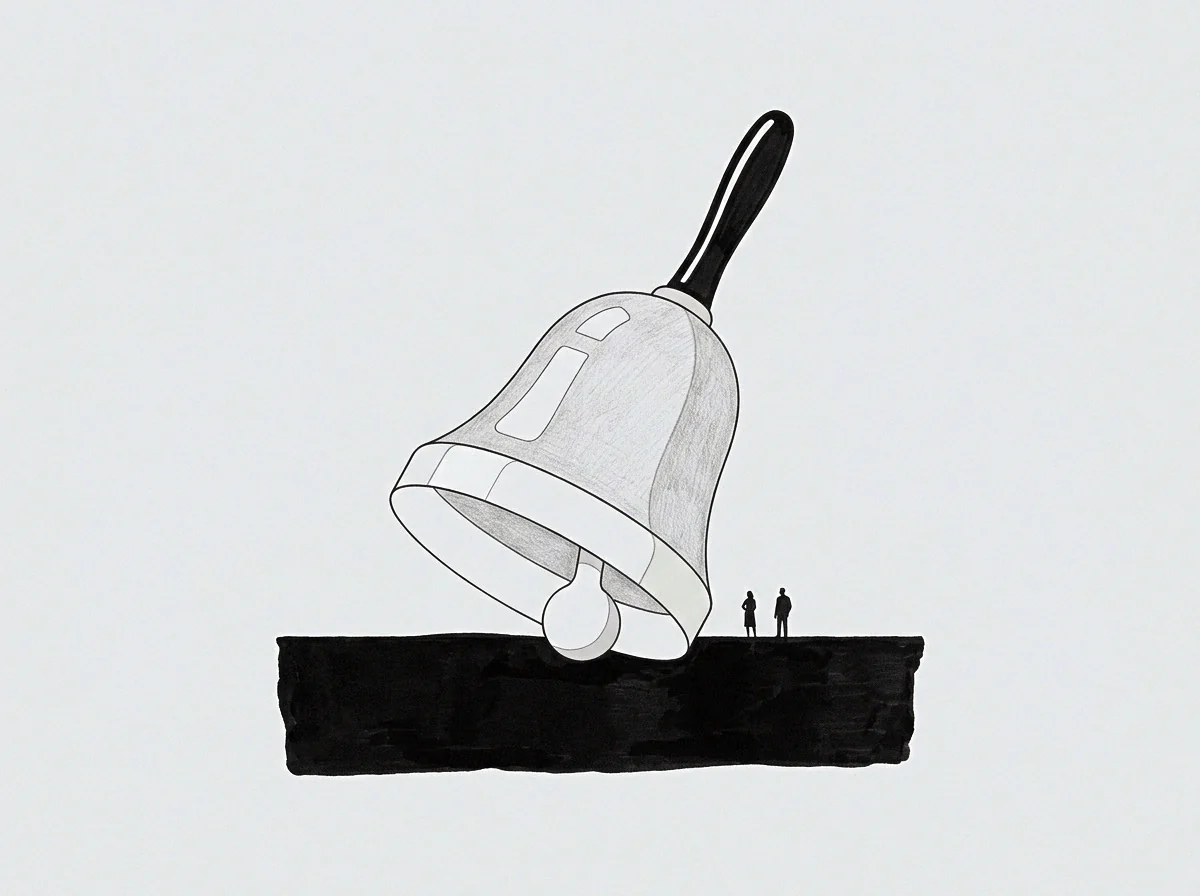
Protocol
Setting up an operational decompression sequence requires agreement between partners on timing, physical zones, and communication boundaries. The routine works as a shared contract rather than an individual coping trick. Both sides view the decompression interval as preventative maintenance for the relationship’s co-regulatory health.
Establishing clear operating rules removes the need for impromptu negotiation when everyone is already depleted.
A typical scenario features two people trying to manage the shift from high-stakes operational leadership to domestic collaboration. Without a concrete framework, re-entry inevitably sparks arguments over trivial household logistics. When a standardized protocol provides definite intervals and spatial transitions, autonomic downshifting happens privately, allowing both people to meet with genuine ease.
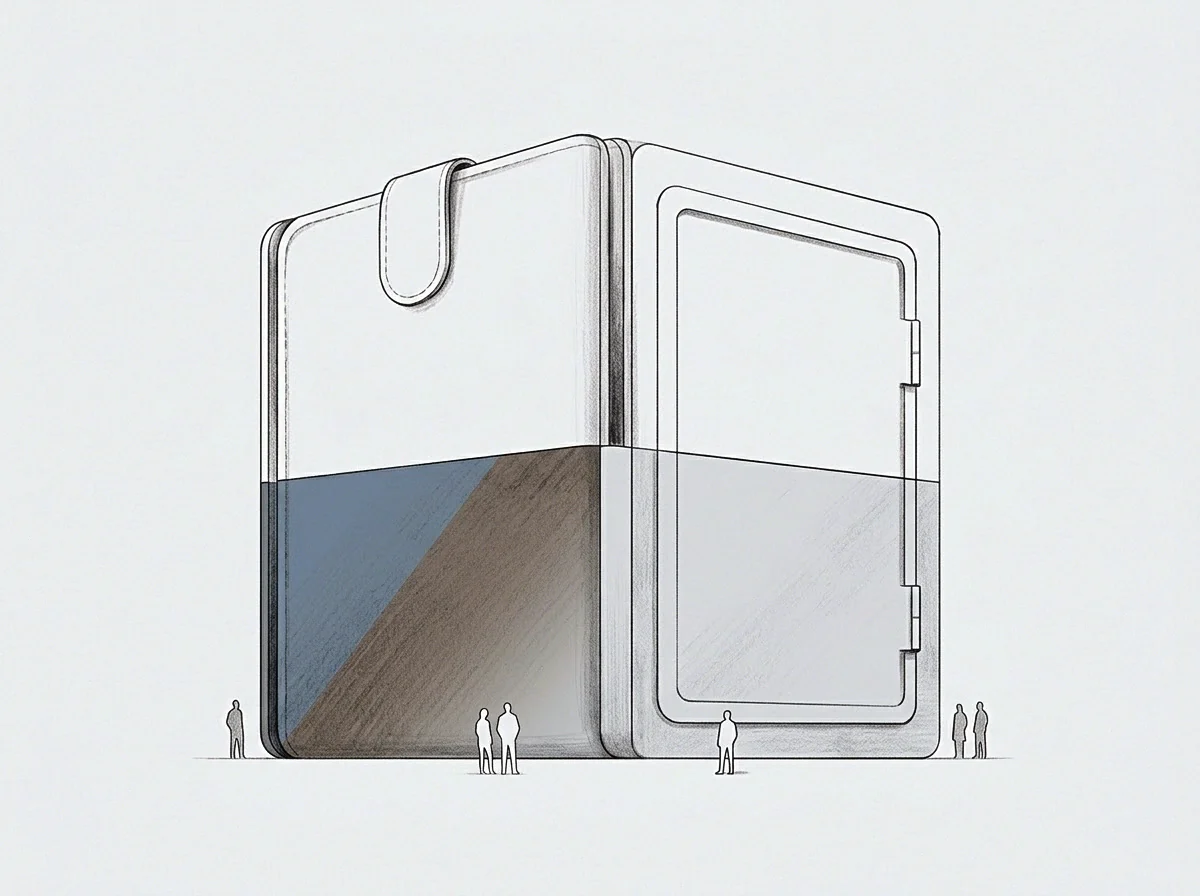
Operational Architecture of Decompression
The framework sets concrete boundaries along the route from the desk to the living room. The sequence starts before entering shared spaces and ends only after parasympathetic tone has demonstrably returned. The rules must be firm enough to prevent work from creeping in, yet simple enough to run when executive function is wiped out.
| Transition Architecture | Autonomic Downshift Duration | Domestic Co-Regulation Friction | Partner Cognitive Burden | Relational Baseline Stability |
|---|---|---|---|---|
| Unbuffered Arrival | 120 to 180 Minutes | Severe / High Spike Risk | High (Absorbs Unmodulated Stress) | Degraded / Unpredictable |
| Unannounced Withdrawal | 90 to 120 Minutes | Moderate / High Resentment | Moderate (Monitors Emotional Distance) | Unstable / Chronic Tension |
| Structured Decompression | 20 to 30 Minutes | Minimal / Low Friction | Low (Clear Time Horizons) | High / Protected Baseline |
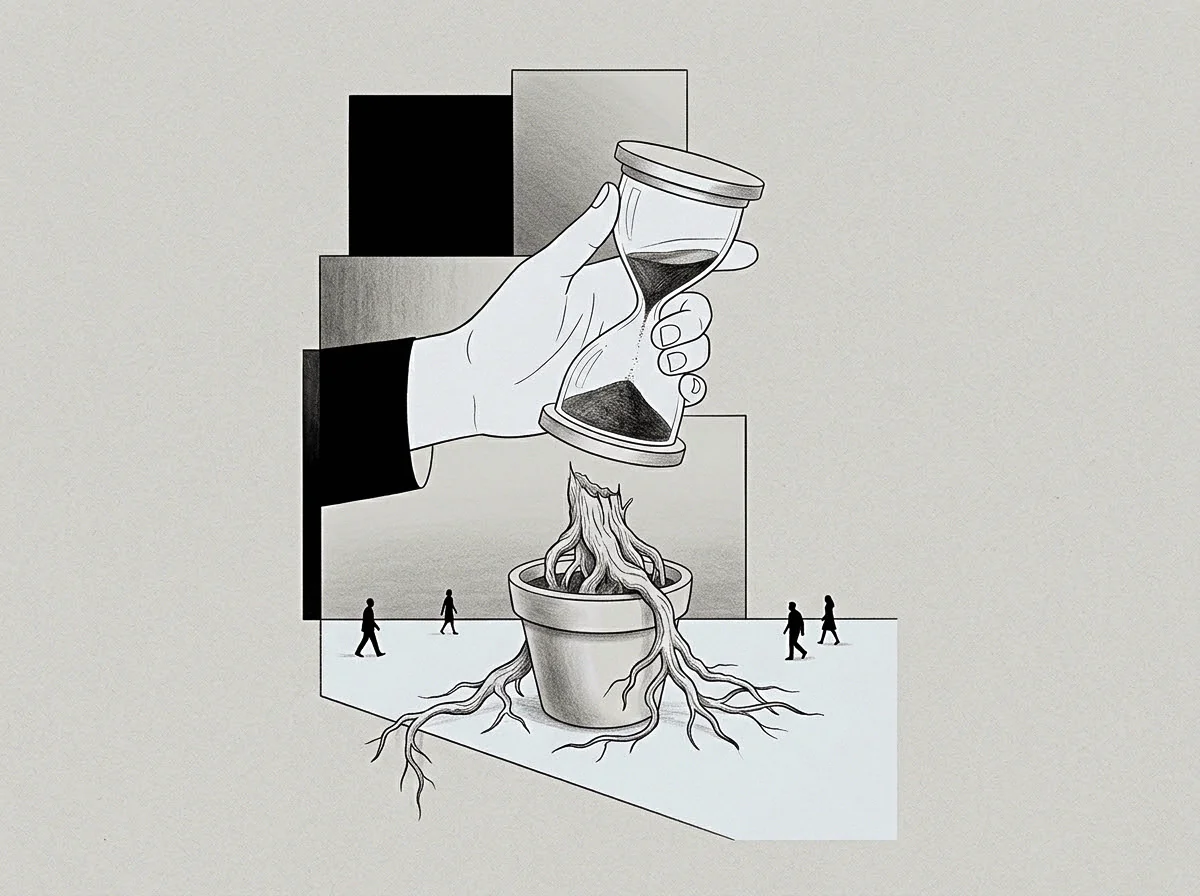
Comparative Transition Architectures
The structured sequence executes through four distinct, non-negotiable phases designed to systematically discharge physiological strain and close operational loops.
- The operational shutdown sequence occurs at the primary workspace, where all digital communication channels are closed and final task states are documented on paper.
- The physical transit airlock utilizes the travel period between work and home purely for auditory sensory reduction, eliminating business phone calls or high-intensity news inputs.
- The threshold landing protocol grants twenty minutes of uninterrupted personal physical isolation in a designated low-stimulation home space immediately upon arrival.
- The explicit relational entry marks the official commencement of domestic availability through a clear physical or verbal gesture acknowledging the partner’s presence.
The effectiveness of this design rests on sticking to the agreed time limits. Letting decompression drift past thirty minutes yields diminishing returns for the individual while saddling the partner with an unfair share of household duties during that stretch. Keeping the protocol tight and predictable preserves balance while delivering the necessary autonomic reset.
The enforcement of an explicit thirty-minute non-engagement window resets sympathetic arousal, enabling authentic co-regulation during evening domestic interactions.

Update
Internal models of attachment and regulation shift through repeated physical experience, not intellectual insight. Understanding the mechanics of co-regulation means nothing if the body still approaches the front hall as a live combat zone. Relational security accumulates when both partners reliably experience calm, low-friction transitions over extended periods.
Concrete protocols deliver the predictable feedback required to retrain old defensive habits, proving to the nervous system that arriving home does not require armed vigilance.
Over multiple years, the steady practice of transition airlocks changes how partners view availability. Arrival ceases to signal impending defensiveness or emotional friction. Reliability builds trust.
When the household functions as an effective environment for low-strain co-regulation, baseline stress drops for both individuals, directly benefiting long-term health and focus.
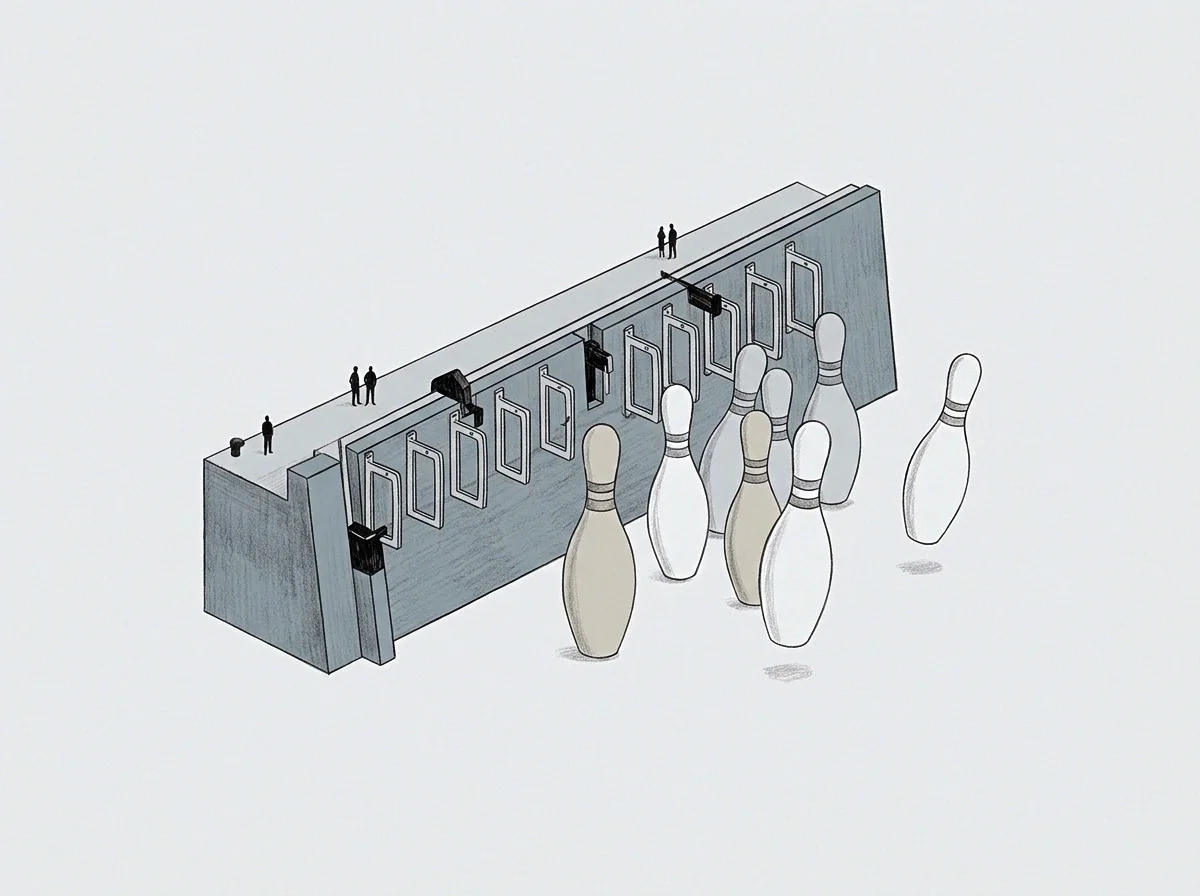
Internal Working Models Across Long Horizons
Moving away from defensive reactivity toward reciprocal co-regulation alters the baseline tone of the house. As these airlocks become second nature, the need for explicit boundary management falls away. Emotional bandwidth remains intact because incoming interactions are no longer hit with unmodulated stress.
The home then fulfills its underlying biological purpose: an efficient setting where shared presence reduces the energetic cost of living.
Whether long-term domestic stability requires a permanent reduction in founder allostatic load or simply an increasingly sophisticated sequence of transition airlocks remains open.