Meaning
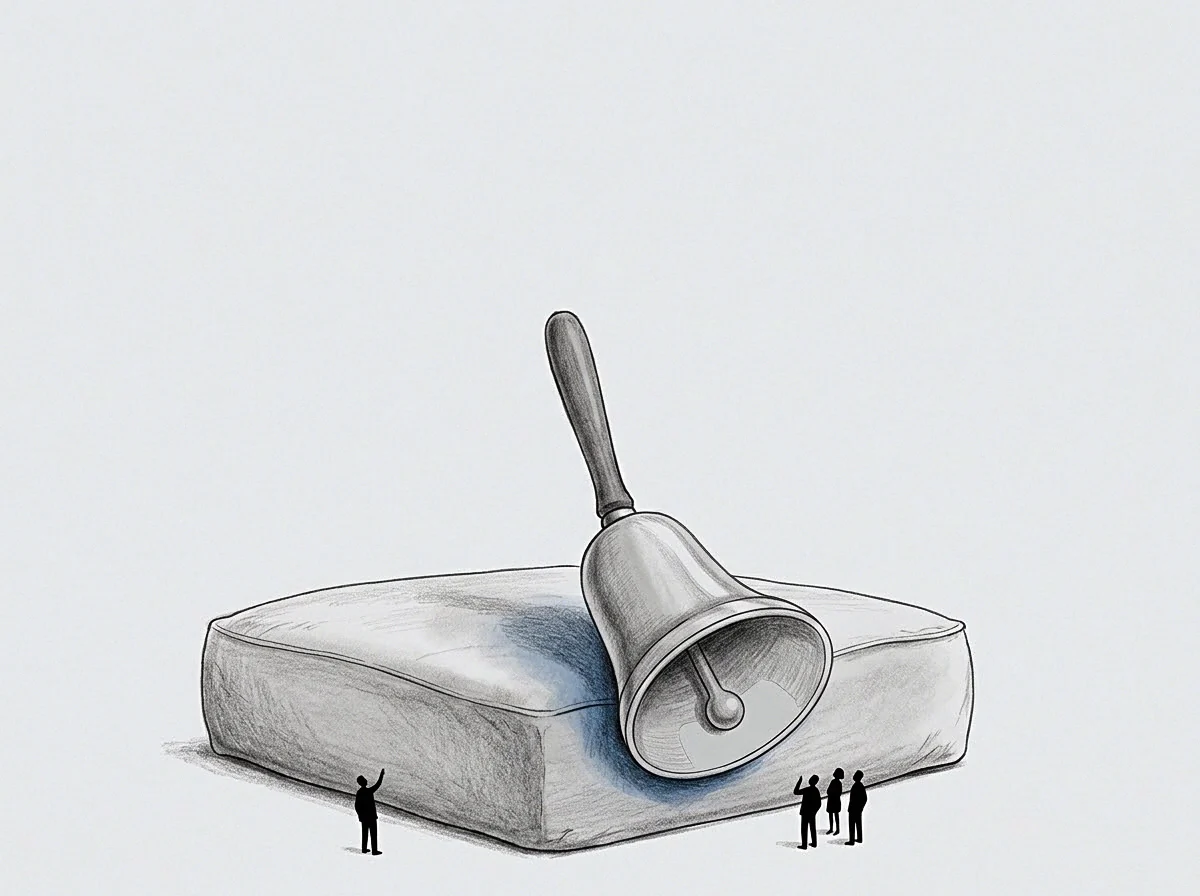
Automatic fallback to primitive, deeply ingrained behavioral scripts and rigid habits occurs when high-order executive capacity collapses under extreme load. Under severe exhaustion or cognitive overload, procedural reversion forces a leader to abandon nuanced strategic thinking in favor of familiar historical responses, regardless of their current relevance. The mechanism is driven by the basal ganglia seizing behavioral control as the prefrontal cortex runs out of metabolic fuel.
It governs how individuals act during acute crisis, high fatigue or systemic overwhelm. The condition stops applying when cognitive reserve is fully restored and conscious, reflective decision-making returns.
Habit Dominance
Under conditions of biological exhaustion, the human nervous system sheds expensive conscious processing to preserve surviving energy stores. When this occurs, procedural reversion activates deeply grooved behavioral patterns acquired in early career stages or high-stress environments. A founder might revert to micromanagement, frantic coding, aggressive communication or total administrative avoidance, even when the current situation demands calm strategic delegation.
These instinctual patterns execute automatically because they require minimal metabolic effort. The brain prioritizes energy conservation over contextual appropriateness.
Executive Withdrawal
Conscious deliberation and creative problem-solving disappear as the higher cortical networks disengage from daily decision loops. The loss of frontal oversight leaves the individual trapped in repetitive, rigid action patterns that are poorly matched to novel operational challenges. During procedural reversion, attempts to force strategic innovation fail because the neural architecture necessary for cognitive flexibility is offline.
Stakeholders often view this state as stubbornness or erratic leadership, when it is simply a predictable biological reaction to cognitive exhaustion. The individual operates entirely on automatic pilot.
Systemic Drift
Organizations led by exhausted executives experience severe strategic drift as leadership defaults to historical reflexes rather than adapting to real-time market data. Breaking this cycle requires identifying the specific behavioral triggers that signal the onset of primitive habits. Once identified, explicit organizational fail-safes and trusted partners must step in to halt decision-making until cortical energy is restored.
True adaptation demands active prefrontal engagement.