Meaning
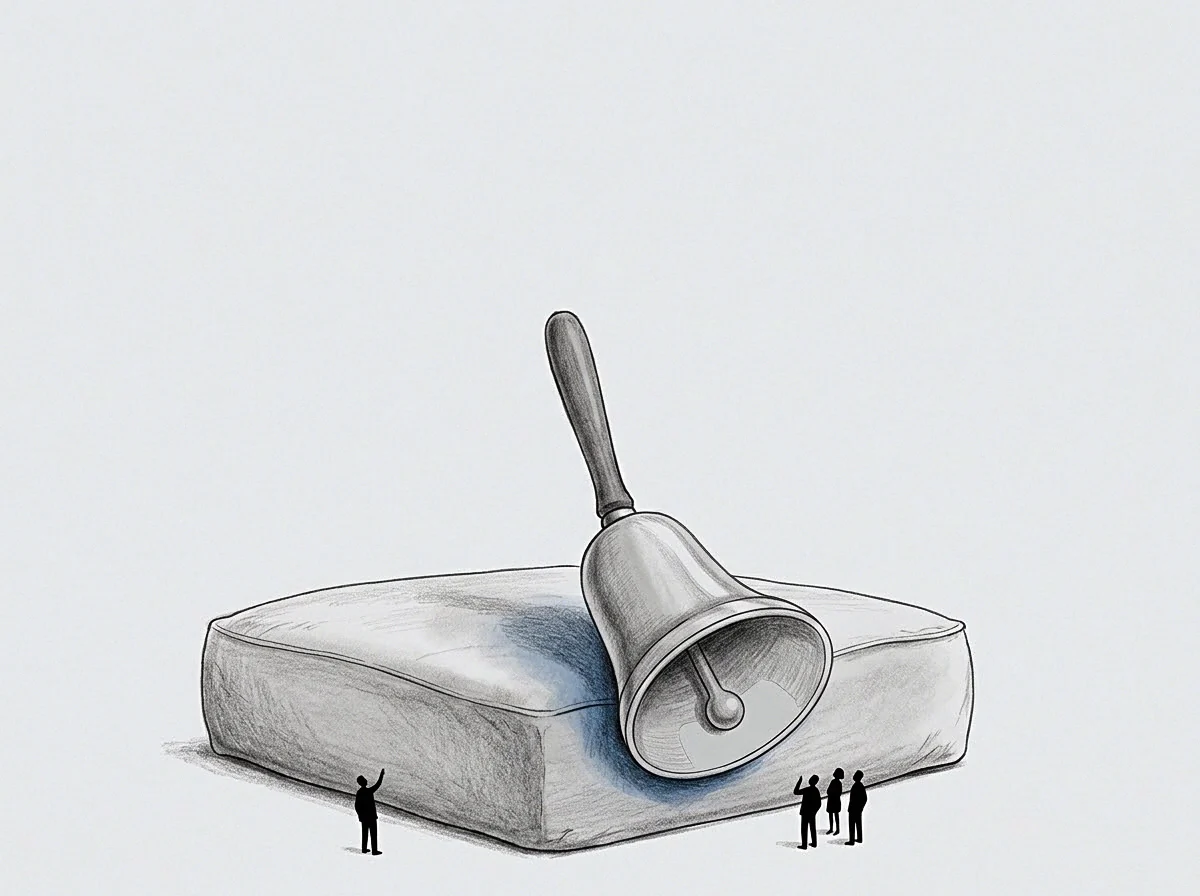
Cognitive inhibition describes the executive process where higher-order neural networks actively reduce the output of subordinate pathways. By prioritizing goal-directed signals, top-down suppression allows a system to filter incoming stimuli that distract from the primary objective. This mechanism manages internal noise and prevents the flooding of sensory channels during complex operational tasks.
Executive Constraint
Prefrontal cortical areas exert this control by modulating the responsiveness of sensory or motor regions. When a focus remains locked on a specific operational goal, inhibitory interneurons dampen the firing rates of groups that represent irrelevant information. Effective application of this process consumes significant metabolic energy, as the brain must maintain active inhibition to hold the intended state against competing inputs.
Fatigue during extended periods of intense focus indicates that these inhibitory resources require recovery.
Adaptive Efficiency
Reduction of irrelevant input creates a state of functional tunnel vision that protects the primary output from degradation. Precision in the selection of suppressed targets determines the quality of the signal that remains active. If the regulatory system inhibits too broadly, the subject loses access to peripheral cues that might signify necessary pivots in strategy.
Moderate application supports sustained concentration, whereas excessive deployment narrows the intake to the point of blindness regarding environmental changes.
Operational Penalty
Persistent engagement of inhibitory circuits produces a distinct cost in attention for the acting subject. Each hour spent in a state of high-intensity focus requires a subsequent period of lower cognitive demand to clear the metabolic buildup of the regulatory process. Because this system relies on the continuous expenditure of inhibitory energy, exhaustion follows rapid shifts between high-focus tasks.
Failure to account for these physiological overheads leads to a degradation in the precision of the suppression mechanism itself.