Meaning
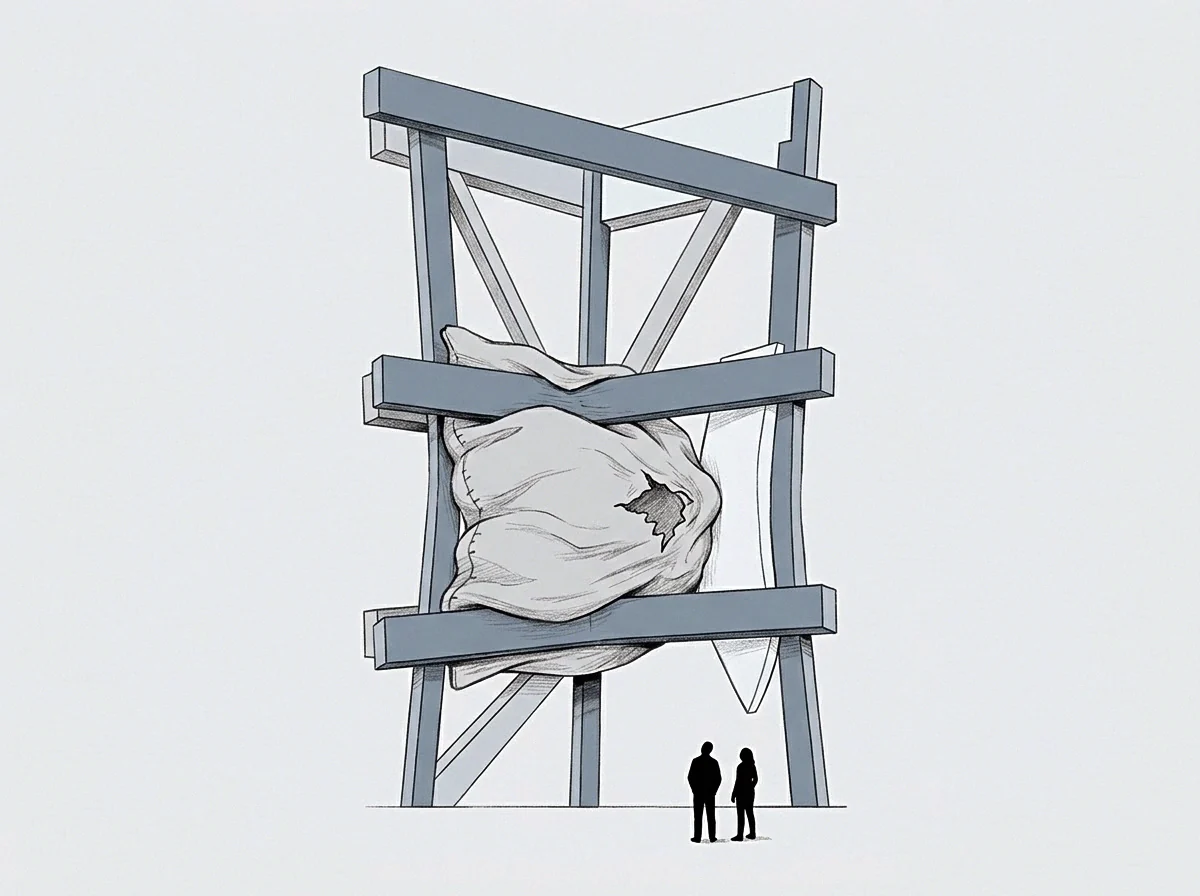
A neurological and operational state of crisis management causes leaders to focus entirely on immediate crises, disabling long-term strategic foresight. During periods of severe financial stress, prospective planning suppression prevents founders from imagining or preparing for scenarios beyond the current week. This condition reduces the strategic capacity of the organization to a purely reactive, survival-driven mode.
Leaders lose the capacity to anticipate market moves, which compromises the company’s viability.
Strategic Deficit
Inability to project future outcomes leads to wasted resources and missed market opportunities. When long-range planning is suspended, the firm cannot build partnerships or design products that require months of preparation. The business suffers from a loss of competitive advantage over time.
Temporal Compression
The decision horizon shrinks to the next immediate deadline or cash event. This short-term focus limits the founder’s mental timeline to hours or days, creating a feedback loop where lack of planning generates more urgent crises. The business becomes locked in an endless cycle of reactive fire fighting.
Recovery Process
Restoring long-term vision requires a deliberate exit from crisis mode, often achieved by securing interim funding or delegating immediate operational issues. Once the short-term survival is guaranteed, the mental capacity for long-range foresight naturally returns. This return allows the startup to reset its long-term direction.