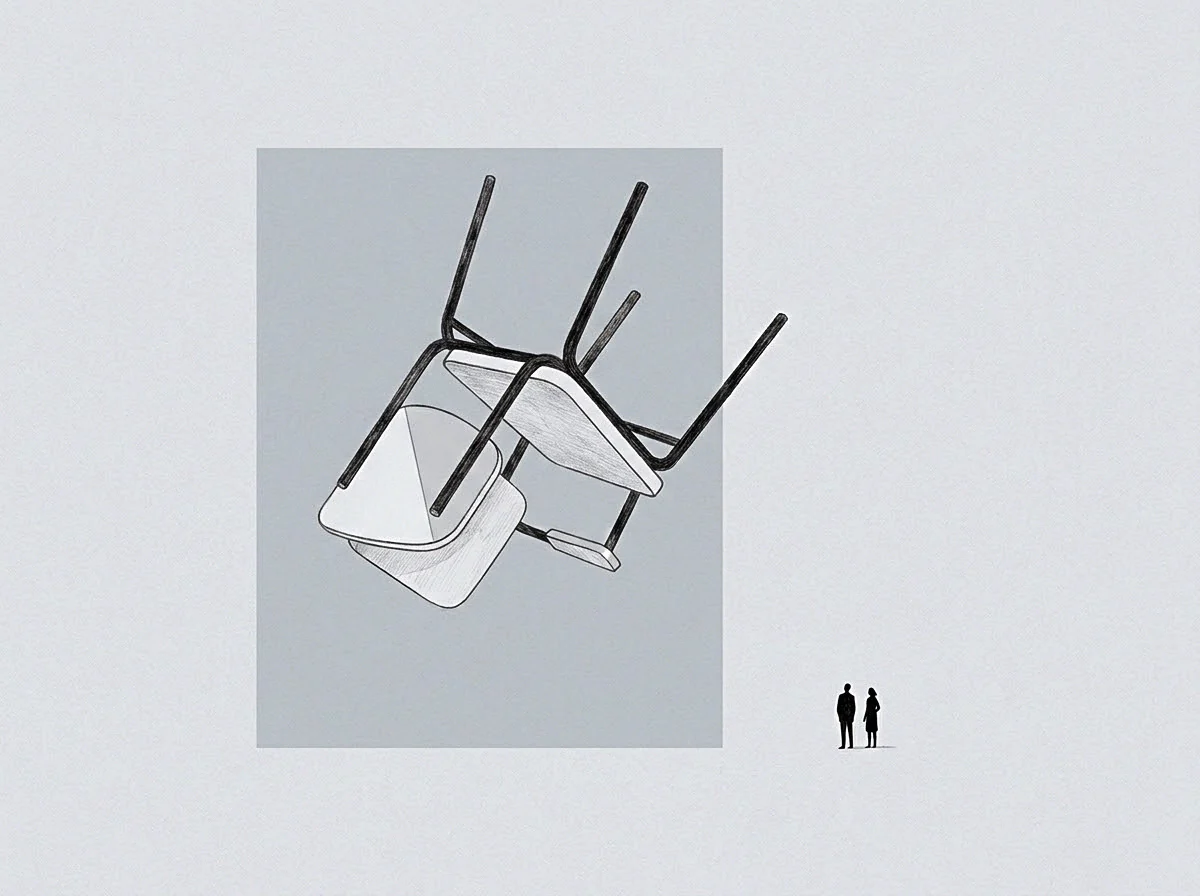
Meaning
Defined edges where the authority of one regulatory framework terminates and a different system takes control provide the structure for complex operations. A protocol boundary marks the specific location in a process where the founder no longer holds direct responsibility for the outcome. It separates internal self-regulation from the requirements of external stakeholders.
Jurisdiction Shift
Moving a task across this line requires a transformation of data to meet the needs of the receiving system. At the protocol boundary, the rules for success change, often shifting from personal vision to rigid compliance. This transition ensures that different parts of the network can operate independently without conflict.
Cognitive Load
Navigating the change in rules as one moves across these lines demands significant psychological flexibility. Every crossing of a protocol boundary forces the person to reset their expectations and methods of evaluation. The cost of this adjustment is measured in the momentary loss of momentum.
This load is highest during periods of rapid scaling when boundaries are frequently redefined.
Transition Point
Errors that occur on one side of the line are prevented from crossing into the other jurisdiction. Because the protocol boundary acts as a filter, it limits the blast radius of any single failure.