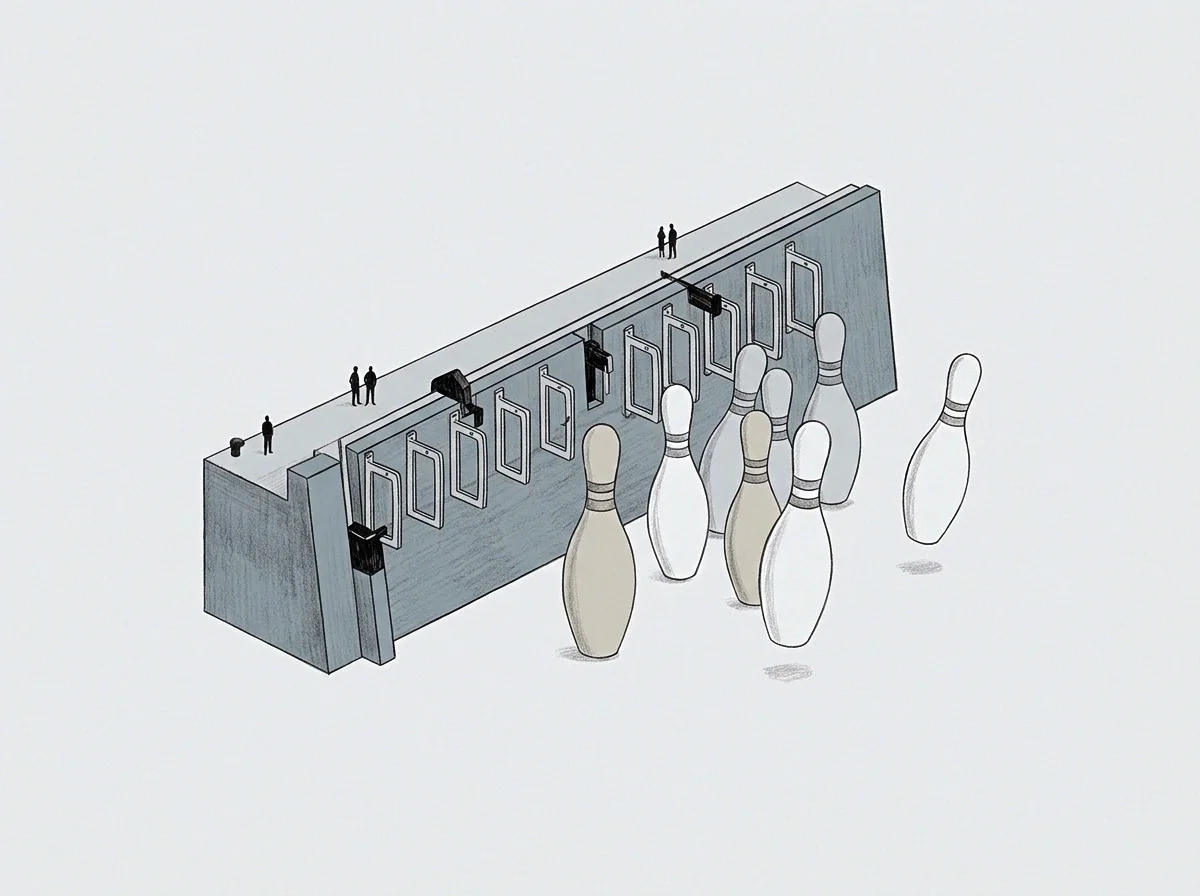
Meaning
Selection rule used to determine the order in which items in a backlog are processed ensures that the most critical tasks receive attention first. This queue discipline prevents low-value work from blocking high-priority objectives. It governs the internal logic of the founder’s to-do list and the broader organizational roadmap.
The rule stops applying when the volume of tasks is so low that they can all be processed as they arrive.
Selection Logic
Effective systems often use a highest-value-first approach to manage limited resources. Adopting a strict queue discipline protects the founder from the anxiety of an unorganized workload. This structural limit defines how much the organization can actually accomplish within a fixed timeframe.
Processing Order
Randomly addressing requests as they arrive leads to a misallocation of executive attention. When a clear queue discipline is enforced (the most difficult problems are handled during periods of peak cognitive availability). This discipline ensures that the founder’s best hours are not wasted on administrative trivia.
Backlog Management
Growth inevitably produces more tasks than a single person can complete. Without a formal queue discipline (the resulting accumulation of tasks creates a state of paralysis). Maintaining the order of operations is the primary defense against systemic overwhelm.