Meaning
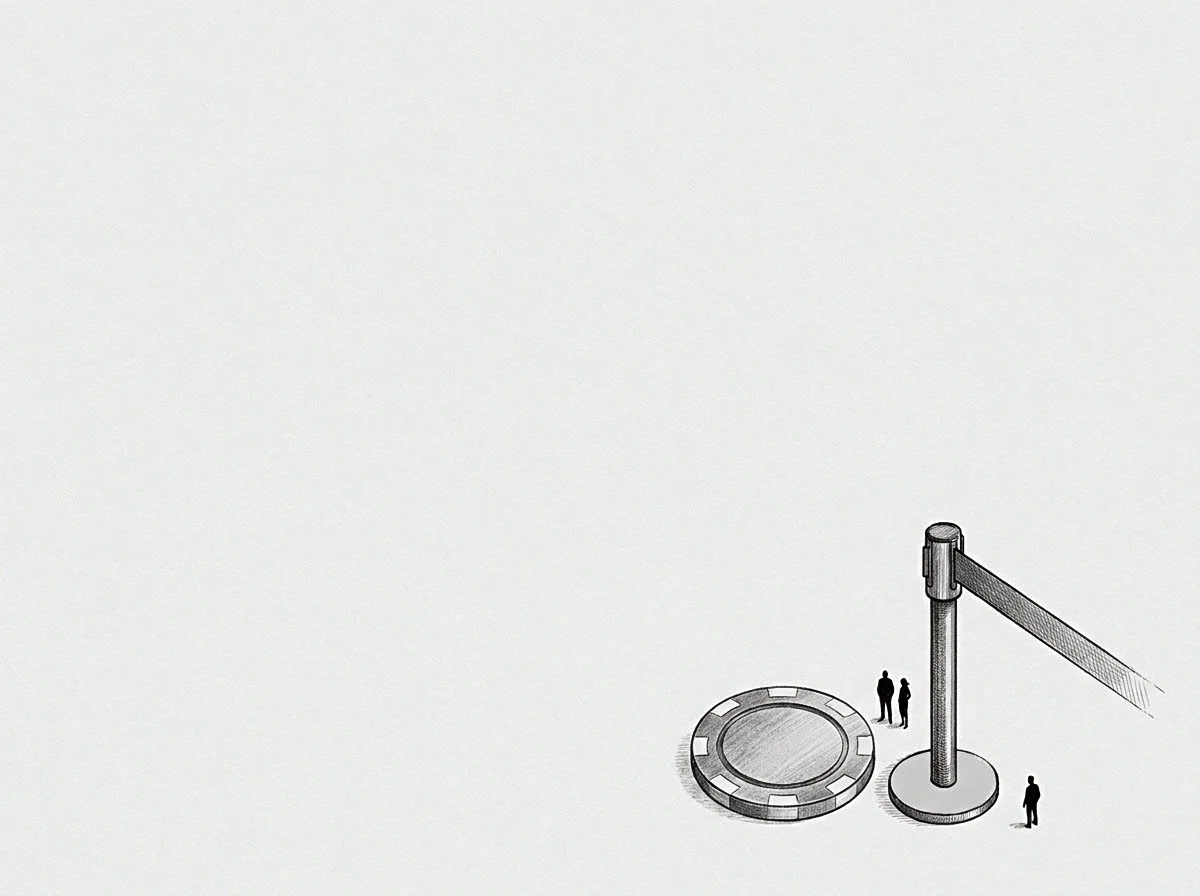
The intentional separation between work demands and personal rest periods protects the nervous system from the effects of chronic stress. Establishing recovery boundaries ensures that the founder can transition out of a high alert state into one of physiological restoration. These limits prevent the work of the startup from occupying every waking hour, allowing the body to replenish its metabolic energy reserves.
When these boundaries are missing, the constant anticipation of work keeps the sympathetic nervous system active, leading to eventual burnout.
Structural Partition
Creating a clear division between professional tasks and restorative time requires a deliberate effort. For many individuals, recovery boundaries are maintained by turning off communication devices at a set hour or designating specific areas of the home as work free zones. These physical and temporal buffers help signal to the brain that it is safe to down-regulate.
Without such structures, the boundary between work and life dissolves, keeping the individual in a state of continuous, low level cognitive strain.
Attention Management
The struggle to disconnect from work is often a failure of attention management rather than a lack of time. Continuous engagement with startup challenges prevents the prefrontal cortex from recovering from the daily decision making load. When recovery boundaries are enforced, they redirect attention toward activities that promote parasympathetic activity, such as family interactions or physical hobbies.
This redirection helps lower the overall allostatic load of the individual.
Operational Benefit
The protection of rest periods yields direct dividends in executive performance. Leaders who maintain these limits are more likely to approach complex challenges with a clear perspective, making fewer reactive decisions. This mental clarity increases the long term resilience of both the founder and the organization they lead.