Meaning
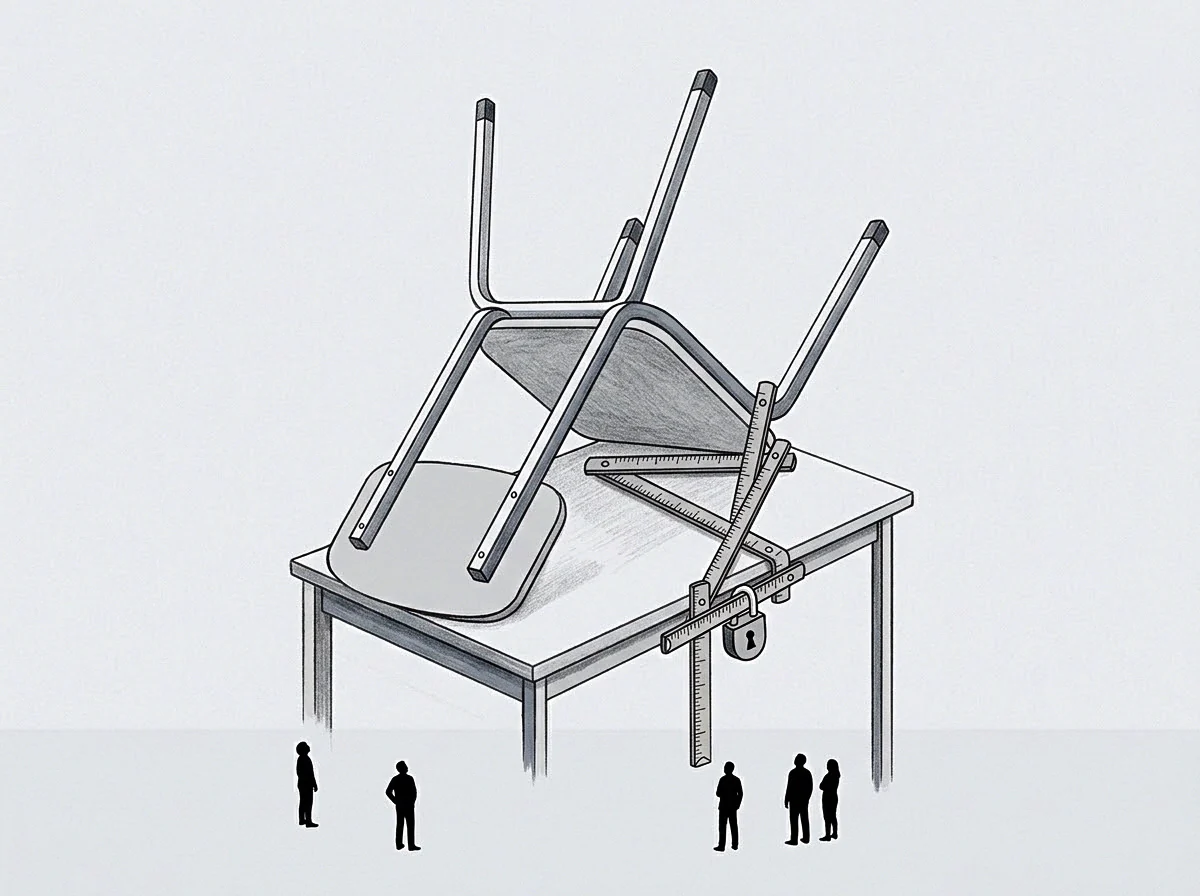
Projected recovery periods required for an individual to return to optimal physiological and cognitive functioning depend on the severity of prior exhaustion. This period of rest, known as the recovery timeline, is determined by the duration and intensity of the work phase that preceded it. Superficial measures like brief weekend breaks cannot bypass or shorten this necessary interval.
Systemic normalization is achieved when hormone levels, cognitive speed, and emotional stability return to their baseline.
Duration Factor
Several variables influence the length of time needed to restore cognitive reserves. If a founder has spent months operating in a state of high stress, the recovery timeline will naturally extend to several weeks or even months. Short-term overexertion may only require a few days of complete detachment to resolve.
Understanding these differences allows leaders to plan their rest periods more effectively, avoiding the mistake of returning to work before their bodies have fully healed.
Staged Restoration
Physical and cognitive systems recover in a predictable sequence. The body first addresses physical sleep deficits, followed by the gradual stabilization of stress hormone levels. Only after these physical systems are balanced does the prefrontal cortex regain its capacity for complex long-term planning.
Strategic Planning
Incorporating rest periods into the organization’s calendar is essential for sustaining founder performance. Leaders must treat the recovery timeline as a non-negotiable operational phase rather than a luxury. This approach ensures that the organization remains stable, as pivotal decisions are made by a clear-headed leader.