
Autonomic State Throttling and Reciprocal Co-Regulation Recovery Protocols in Remote Operations
Solitary remote operations force prefrontal cognitive suppression to replace physical co-regulation, driving autonomic throttling and progressive exhaustion.
Signal
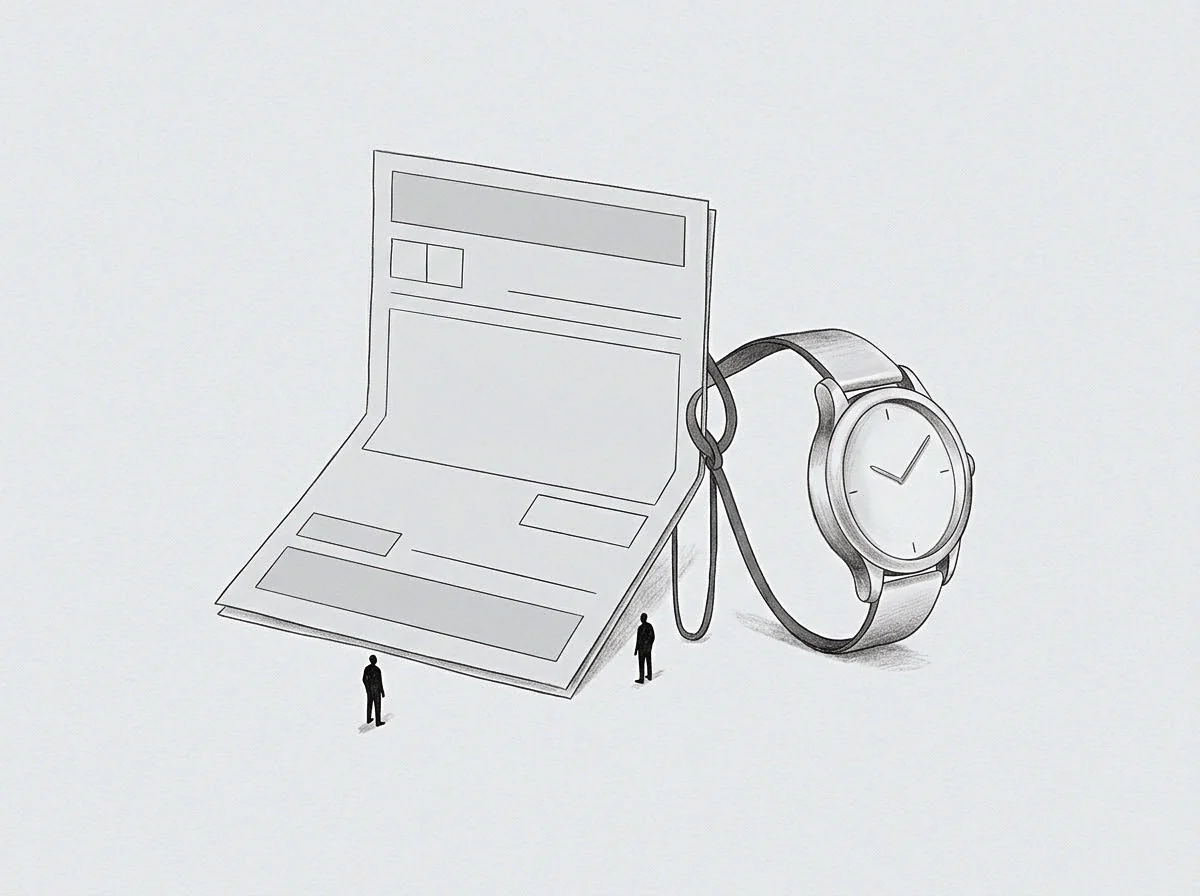
Four communication threads remain active past midnight while the physical room sits quiet. An operator sits in low light, watching status pings arrive devoid of tone, facial expression, or breathing cues. Every notification forces a swift appraisal from the prefrontal cortex because bare text offers no autonomic reassurance.
The body responds with sustained sympathetic arousal, raising peripheral vascular resistance and dropping vagal tone. Without a physical presence nearby to share the load, the central nervous system treats every remote operational anomaly as a direct survival threat.
Social baseline theory shows that the human brain calculates environmental risk expecting physical proximity to familiar peers. When that proximity disappears, neural circuits budget metabolic load at peak solitary cost. Remote work strips away the subtle safety cues that co-located teams send back and forth without thinking.
To compensate, an isolated operator heightens vigilance, entering a quiet state termed autonomic state throttling. The nervous system flattens emotional expression to preserve analytical output, focusing attention on the screen while baseline physiological strain quietly accumulates.
Under prolonged solitary load, a steady nervous system dampens baseline emotional variance to preserve analytical execution.
This adaptation creates a troubling operational paradox. Colleagues reading brief, measured status updates mistake flat precision for easy mastery. Because no agitation is visible, they send down further escalations and increase ticket volume.
Demonstrated capacity under isolated stress simply opens an unregulated path for more work, where composure continuously draws higher load.
The operational queue fills steadily as unresolved threads drain metabolic capacity. Observing prompt responses, a counterpart on the remote thread assumes the arrangement remains entirely sustainable.
Wire
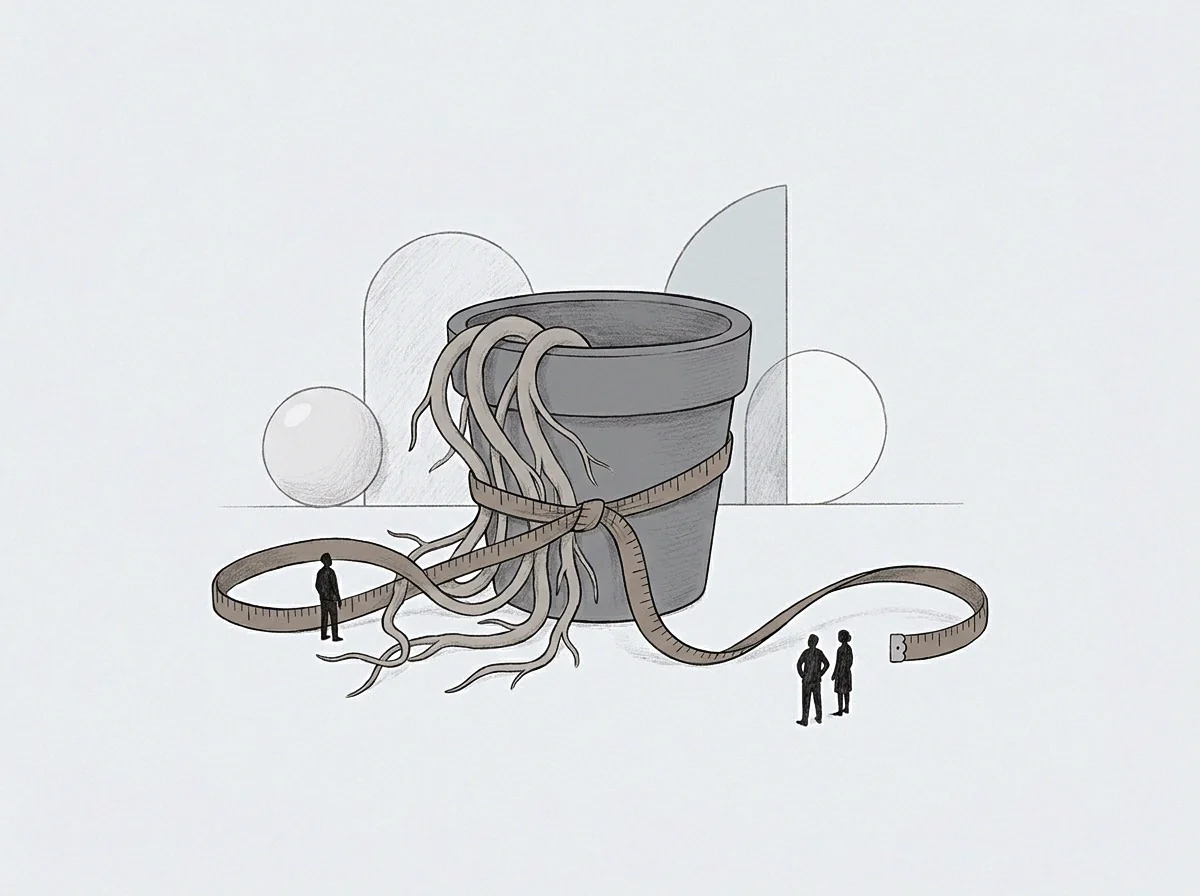
Monitors and network packets transmit symbolic information while discarding the somatic cues necessary for human co-regulation. In-person operational work provides constant subcortical feedback: shifting pupils, vocal tone modulation, posture changes, and synchronized breathing. These signals engage the ventral vagal complex directly, signaling safety and permitting metabolic systems to lower defensive tension.
Digital interfaces collapse interaction into isolated packets, forcing the nervous system to construct safety entirely through conscious inference.
Maintaining this synthetic safety demands constant prefrontal glucose. Sitting beside a calm teammate in a shared room suppresses ambient cortisol release and stabilizes heart rate variability during live incidents. In distributed environments, that physiological baseline disappears.
An isolated operator must generate composure by sheer effort, burning energy that would otherwise sustain analytical stamina and complex problem solving.
| Operational Factor | Physical Proximity Setup | Asynchronous Remote Channel |
|---|---|---|
| Primary Regulation Mechanism | Ventral vagal entrainment through somatic presence | Solitary cognitive suppression via prefrontal control |
| Threat Appraisal Budget | Distributed across present conspecifics | Assigned exclusively to the isolated individual |
| Vagal Brake Function | Spontaneously maintained by social baseline cues | Progressively released during persistent alert states |
| Recovery Speed Post-Incident | Rapid autonomic reset within thirty minutes | Protracted sympathetic tail lasting several hours |
The divide between written updates and physical isolation widens in persistent asynchronous setups. Text exchanges introduce unpredictable response lags that an unanchored nervous system reads as operational uncertainty. That ambiguity keeps threat-scanning active, holding the autonomic system in steady tension between notifications.
The body stays braced even during quiet moments, blocking true parasympathetic recovery.
A distributed interface demands continuous prefrontal energy to manufacture the safety that physical presence generates without effort.
When organizations overlook this metabolic drain, operators face cognitive fragmentation and physical exhaustion. Critical judgment degrades quickly, showing up as hasty infrastructure changes, disjointed emergency fixes, and sudden resignations from key engineers who hit metabolic exhaustion without warning.
Floor

Whose Physiology Bears Asynchronous Latency?
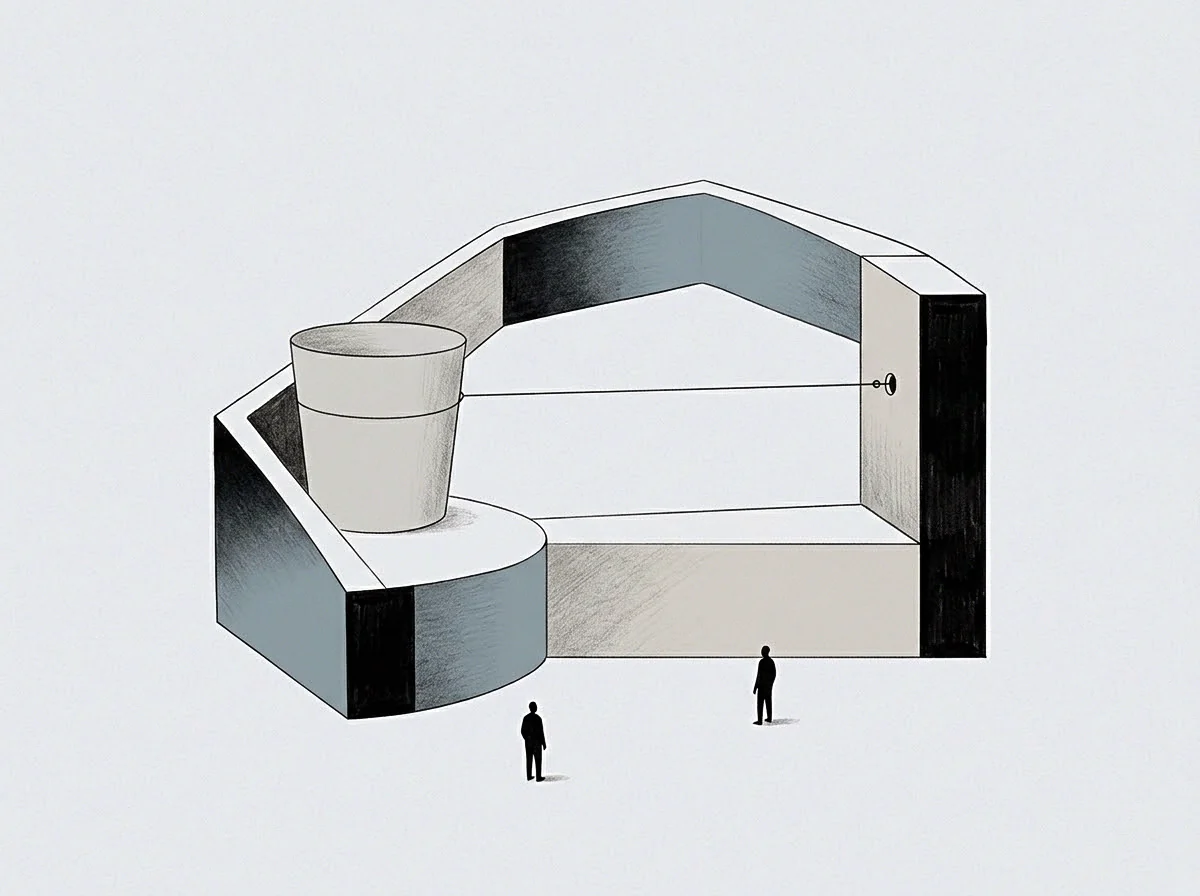
Maintaining operational continuity requires clear structural limits rather than relying on individual endurance. Without explicit expectations for response times, an isolated operator stays on perpetual alert. The nervous system cannot differentiate active incident response from passive threat monitoring.
Building a stable baseline requires firm, unambiguous windows for response, escalation, and off-duty disconnection.
A durable operational design uses structured autonomic recovery protocols to reset parasympathetic balance through direct interaction. Rather than relying on solo breaks—which frequently leave operators dwelling on incoming work—these practices rely on intentional, synchronous contact designed to restore baseline neural equilibrium.
- Vagal Brake Release occurs when continuous notifications force the parasympathetic system to disengage, trapping heart rate in rigid, elevated patterns.
- Threat Generalization develops when an isolated brain fails to separate routine tickets from major outages, responding to every chime with the same pulse of adrenaline.
- Somatic Dissociation appears when an operator tunes out physical posture and muscle strain to keep processing incoming tasks.
- Reciprocal Exhaustion occurs when isolated operators try to support each other entirely over text, escalating shared anxiety instead of offering calm.
Structured handoffs act as biological grounding points. A clear, verbal transfer hands over operational responsibility to the next shift. Hearing a trusted colleague explicitly take ownership of the environment allows the outgoing operator’s ventral vagal system to settle, restoring heart rate variability and signaling that the shift is over.
Explicit off-duty boundaries remove the need for continuous threat scanning, enabling genuine parasympathetic recovery.

Gauge
Evaluating the operational health of remote personnel requires looking beyond basic ticket counts to track signs of sustained physiological strain. Dashboard metrics record output while hiding the internal effort needed to maintain those figures. When delivery speed holds steady while vagal flexibility drops, the organization is burning biological capacity to keep software running.
Assessing autonomic condition in remote teams means watching communication rhythms, phrasing density, and spontaneous live interactions. Withdrawing from informal conversations while adopting terse, formal text indicates protective state throttling, as the operator cuts social bandwidth to protect remaining analytical focus.
Stating explicit availability limits converts hidden autonomic strain into visible operational capacity.
To interrupt this trajectory, engineering organizations deploy structured reciprocal protocols that restore physiological balance across distributed roles:
- Bilateral Somatic Grounding pairs two on-call engineers for a three-minute audio call at the start of a major outage, matching breath rhythm before touching production systems.
- Scheduled Synchronous Pauses break up long incident responses every ninety minutes, requiring a short digital disconnect to reset physical strain.
- Vocalized Post-Incident Decompression trades text post-mortems for brief verbal discussions where engineers state resolution steps out loud to help drop elevated stress.
Nervous systems that regularly share operational load outlast solitary nodes under sustained strain.
Relay
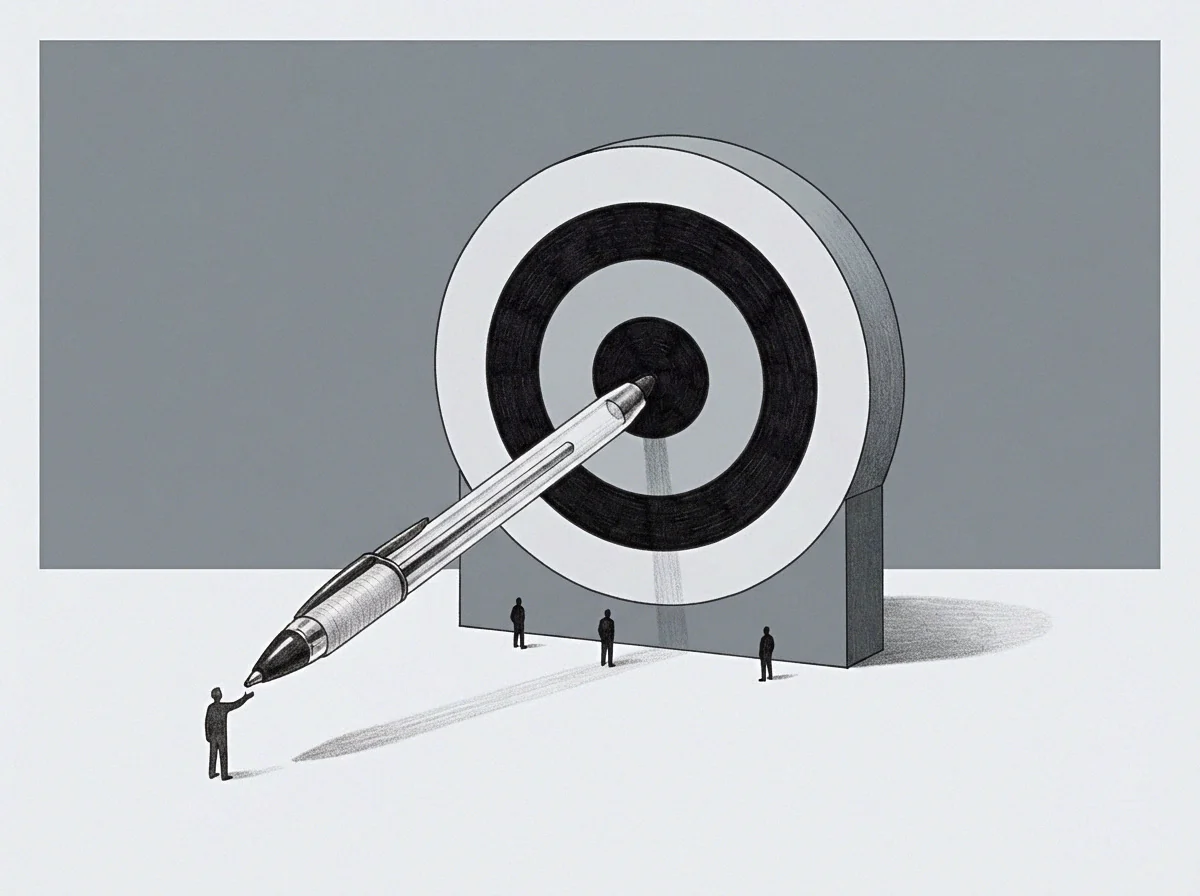
The broader operational goal is moving an organization from isolated self-regulation to a shared system of co-regulation. In this setup, no single person carries an extended crisis alone. On-call duties shift across structured pairs who balance analytical demands with intentional grounding, creating an environment where psychological safety is routinely renewed through active contact.
Adopting these measures means accepting that biological constraints cannot be bypassed by digital tools. The convenience of asynchronous text carries a real metabolic cost for an isolated operator. By embedding reciprocal protocols into daily routines, remote teams replace exhausting solo vigilance with sustainable collective resilience.
Whether asynchronous tools can ever convey enough physiological safety cues to prevent autonomic exhaustion in isolated operators remains an open question.