Meaning
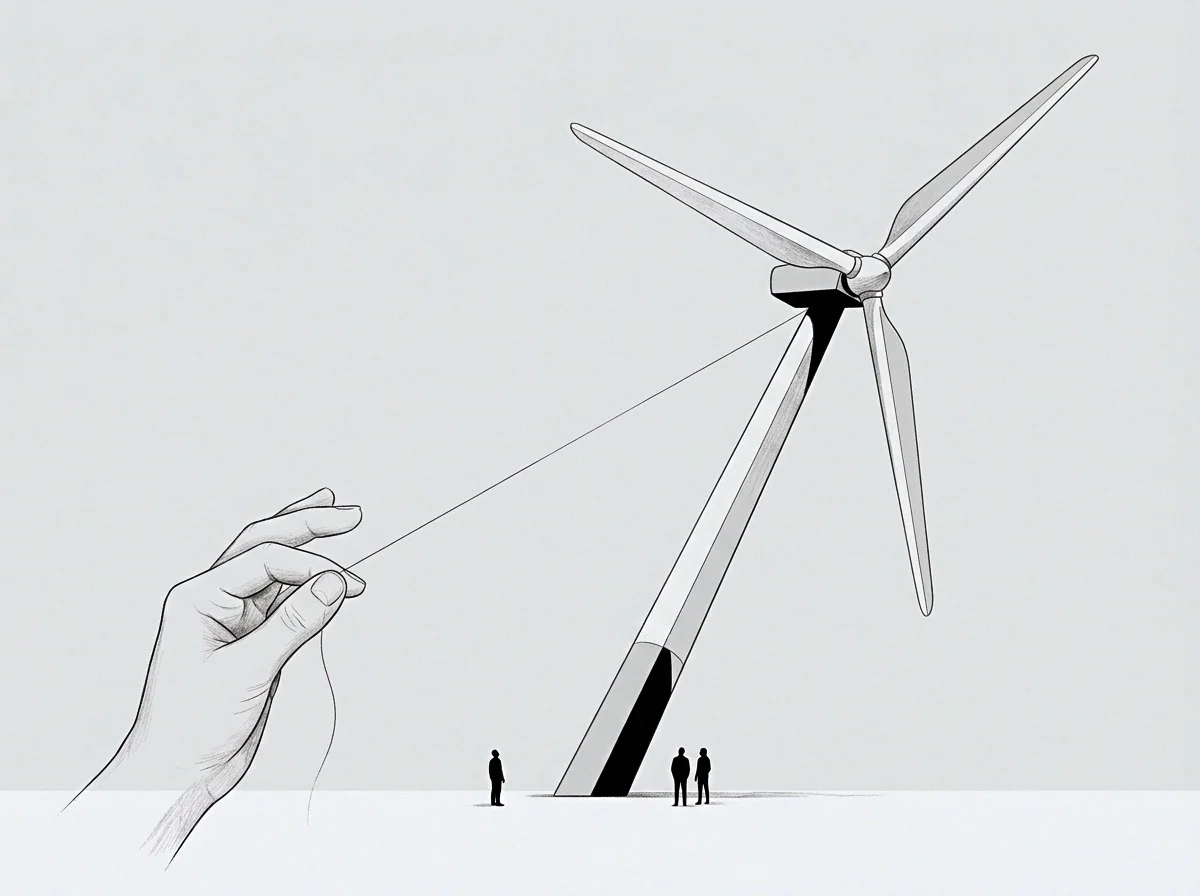
Structural displacement occurs within an organizational hierarchy when an entity meant to receive stabilization becomes the stabilizer of its supervisor. This behavioral breakdown, termed regulatory inversion, shifts the burden of emotional and strategic grounding onto the party lacking formal operational authority. It appears when departing founders or external advisors absorb organizational volatility because the incumbent executive team lacks the internal capacity to hold uncertainty.
The concept stops applying in balanced peer partnerships where co-regulation is reciprocal and contractually structured.
Structural Dislocation
Authority without nervous capacity inevitably distorts normal lines of accountability. When regulatory inversion develops, the subordinate or outgoing party expends deep energetic reserves buffering the anxieties of nominal company leadership. Meetings change from operational reviews into unacknowledged sessions of psychological grounding.
The formal governance structure becomes an empty shell masking an inverted emotional substrate. Such reversals conceal executive incompetence while accelerating the private exhaustion of the unofficial stabilizer.
Metabolic Exploitation
Quiet stabilization of an insecure leadership tier extracts severe biological tolls from the sustaining party. The individual trapped in regulatory inversion consumes valuable prefrontal bandwidth just to manage the volatility of primary decision-makers. Because this labor has no operational documentation, the stabilizer receives no institutional support or authority commensurate with the burden.
The dynamic operates as an invisible extraction of personal energy. Resentment and physiological depletion mount as the stabilizing founder protects the enterprise from its own leadership.
Remedial Severance
Dismantling inverted supervisory dynamics requires immediate operational disengagement and strict boundary enforcement. Correcting regulatory inversion involves withholding non-mandated stabilization and forcing titular leaders to absorb operational ambiguity directly. If the incumbent management team collapses under this unbuffered load, that outcome exposes existing structural defects that had been obscured by the founder’s unpaid emotional labor.
True succession cannot take place while regulatory burdens run backward. Institutional durability demands that regulatory load matches the formal chain of command.