Meaning
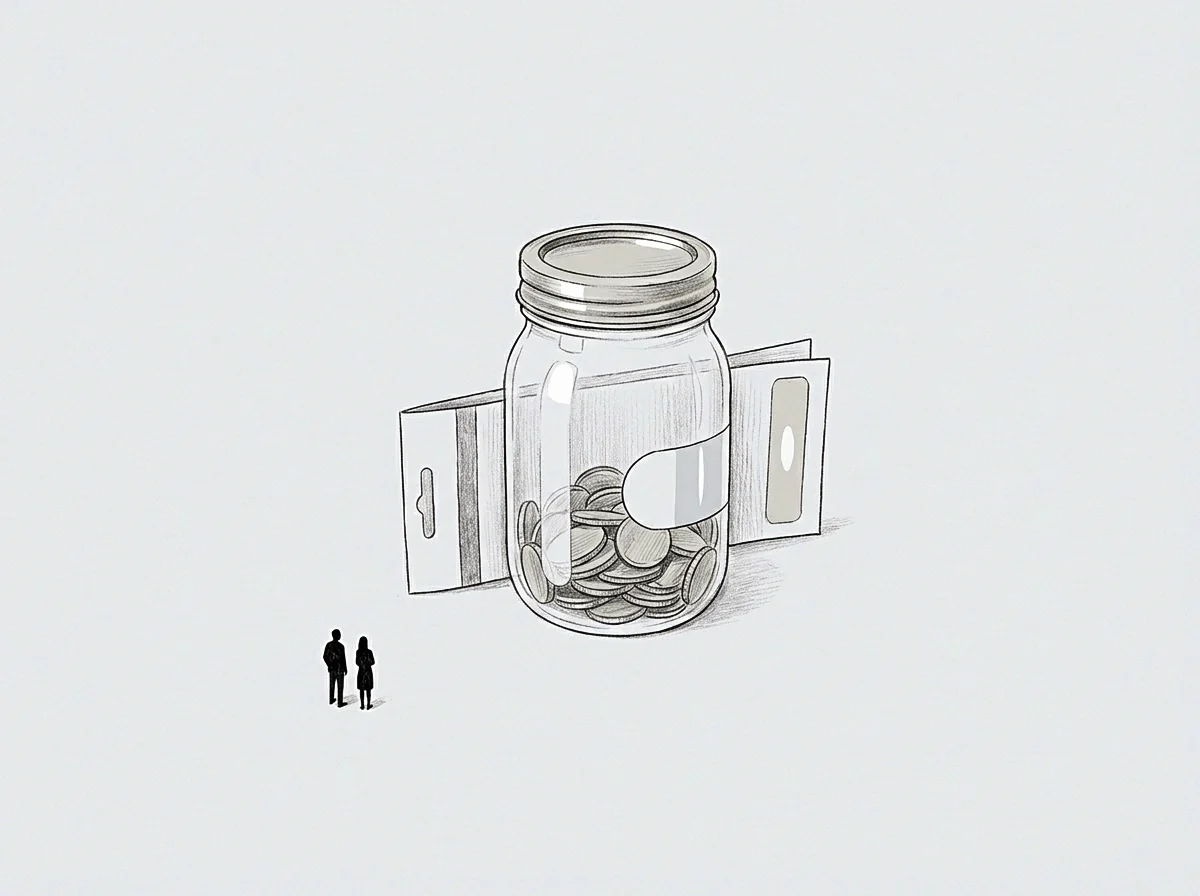
Reserve capacity denotes the physiological and structural margin a founder retains above baseline operational output to absorb unforeseen systemic shocks. Biological homeostasis sets the underlying precedent, where metabolic reserves prevent immediate collapse during periods of extreme metabolic demand. The regulation mode operates largely through borrowed baseline stability from external support systems when internal homeostatic mechanisms experience prolonged depletion.
Physiological costs accumulate continuously through elevated cortisol output, shortened sleep cycles, and persistent neurological hyperarousal during extended crisis phases. The boundary of this definition stops at voluntary endurance, transitioning entirely into clinical pathology once biological systems cross the threshold into permanent dysregulation.
Homeostatic Drain
Chronic decision-making under high uncertainty depletes available energy reserves long before objective task completion occurs. Sustained cognitive load forces the central nervous system to borrow capacity from metabolic recovery functions, reducing long-term biological resilience. Throttling manifests automatically as slowed processing speeds and narrowed attentional focus when total load approaches physiological limits.
Self-regulation fails gradually under these conditions, replaced by automatic behavioral responses designed purely to conserve remaining neural energy.
Recovery Threshold
Biological restoration requires periods of complete disengagement from operational stressors to replenish depleted neurotransmitter pools and cellular energy stores. Stated availability figures collapse rapidly if recovery intervals remain shorter than the preceding periods of intense cognitive expenditure. Co-regulation alongside a stable external partner offers a temporary structural floor that partially offsets the absence of internal restorative downtime.
Attention costs mount when the individual attempts to maintain outward composure while internal systems operate near complete depletion.
Structural Limit
Permanent physiological adaptation occurs when high operational demands persist across multi-year founding timelines without adequate restorative pauses. The organism eventually establishes a lower homeostatic baseline to prevent catastrophic collapse under continuous environmental pressure. This lowered capacity ceiling restricts future operational bandwidth permanently, altering the fundamental limits of what the individual can safely manage.
Complete system failure replaces simple throttling once the reduced structural margin encounters another significant operational disruption.