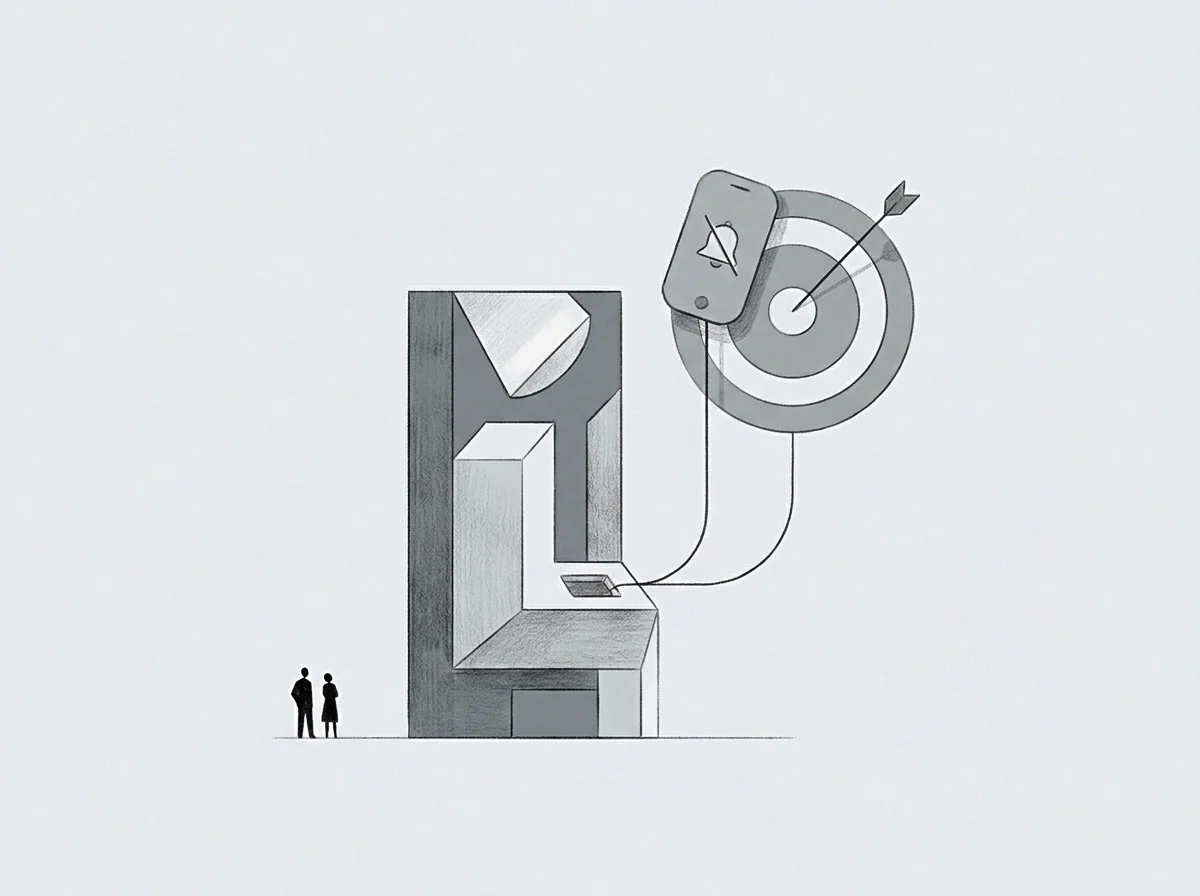
Meaning
Deviation from a statistically sound probability model identifies a bias in the perception of potential impact. The phenomenon of risk assessment distortion occurs when an individual consistently overestimates or underestimates the likelihood of a loss. This shift often follows a period of extreme success or failure.
It alters the fundamental calculation that guides resource allocation.
Cognitive Skew
Biological pressure changes how the brain processes information about the future. Under high stress, risk assessment distortion makes distant threats appear immediate and overwhelming. The ability to weigh long term benefits against short term costs disappears.
Decision makers start to see patterns in random noise.
Probability Misalignment
Mathematical models fail when the human component of the system is compromised. Even when the numbers suggest a clear path, risk assessment distortion leads the founder to choose a more dangerous alternative. The mismatch between the objective data and the subjective feeling creates a dangerous gap in governance.
Oversight committees exist specifically to catch this misalignment.
Perception Bias
Past experiences color the view of every new opportunity. If a person has recently survived a major crisis, risk assessment distortion might appear as an unjustified confidence in their own resilience. They may ignore the specific variables of the current situation in favor of a general feeling of invincibility.
This bias prevents the learning of new lessons from changing market conditions. It leads to the repetition of mistakes that should have been solved years ago. The cost of this error is often the very capital the founder sought to protect.