Meaning
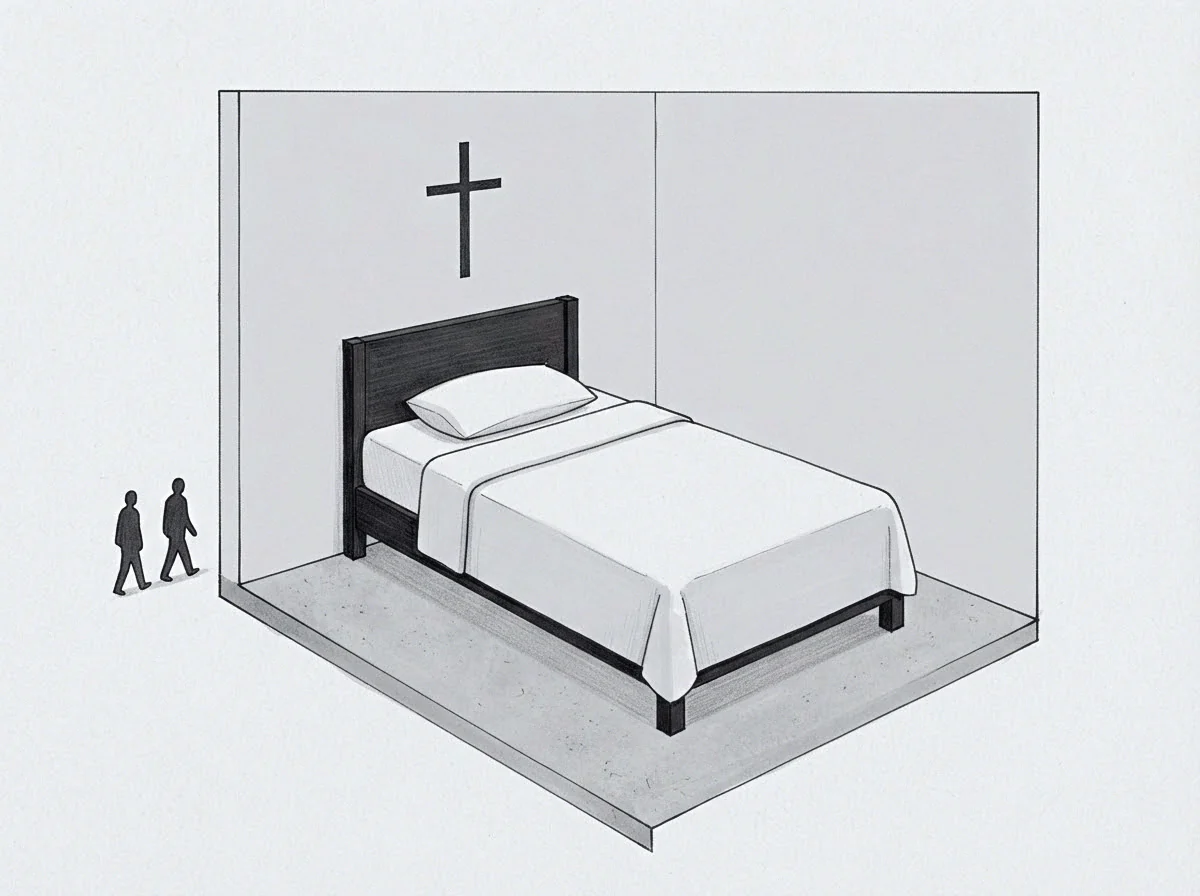
Deliberate contraction policies reduce operational commitments and product perimeter to preserve the surviving supervisory structure. Under extreme cognitive or capital depletion, scope truncation sheds secondary initiatives and administrative obligations to protect core survival vectors. The mechanism defines the intentional sacrifice of commercial scope to defend regulatory capacity and maintain organizational solvency.
It terminates when operational stabilization allows perimeter expansion or when truncation reaches total enterprise liquidation.
Perimeter Retraction
Pruning operational lines immediately lowers the volume of concurrent demands pressing on leadership. Through aggressive scope truncation, executives eliminate fragmented project monitoring and unremunerative product variants. This radical narrowing releases working memory from tracking low-probability upside scenarios.
Metabolic resources previously consumed by context-switching return to stabilizing core infrastructure. The immediate consequence is a marked reduction in operational panic and decision fatigue across the administrative tier. By concentrating attention on a defensible core, the remaining team recovers predictive accuracy and execution velocity.
Long-term survivability improves as peripheral distractions are ruthlessly severed from daily operational queues.
Concurrency Protection
Constraining executive workload through deliberate reduction halts the progressive degradation of supervisory oversight. Implementing scope truncation establishes an enforceable concurrency limit, ensuring that leadership does not oversee more active domains than biological limits allow. Each jettisoned program reduces coordination overhead and external reporting obligations.
The surviving organization operates with tighter feedback loops and greater strategic clarity.
Terminal Boundary
Surgical reduction cannot compensate for an intrinsically flawed core hypothesis. When an enterprise executes scope truncation to the point where commercial viability disappears, further cuts yield diminishing structural returns. Severing operational limbs preserves attention, but an enterprise reduced beyond its economic viability ceases to function.
Retraction protects capacity, yet it cannot invent market demand.