Meaning
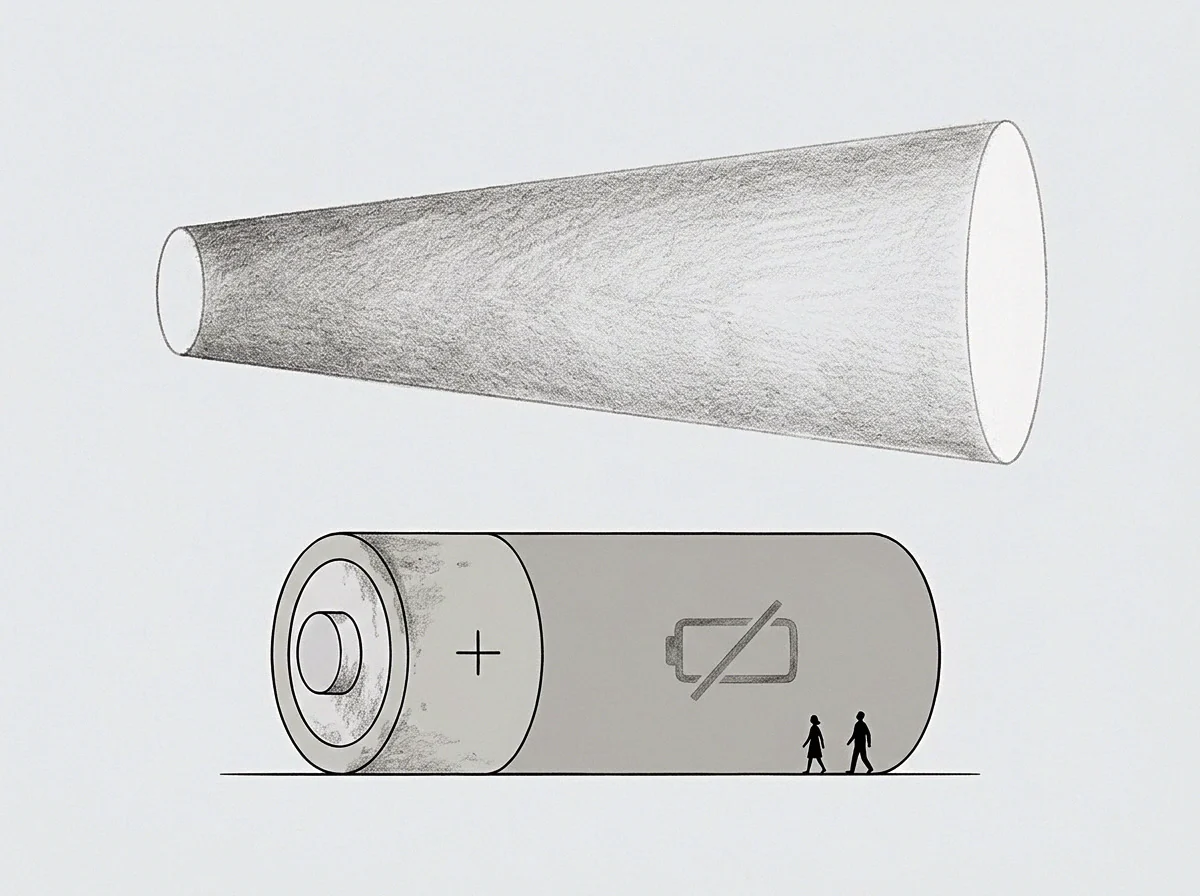
The alternative distribution of tasks and decisions to backup personnel prevents operational bottlenecks. This secondary routing ensures that the organization continues to function when the primary leader is unavailable or exhausted. It acts as a safety valve for executive attention by automatically diverting less critical issues.
The boundary of this process is reached when highly sensitive strategic choices still require the founder’s direct approval, limiting the extent of decentralization.
Physiological Load
Establishing a backup path requires significant upfront effort to document and delegate authority. Implementing secondary routing demands that the leader spends energy training others and clarifying decision criteria. This investment of attention can be difficult to make during periods of high active stress.
However, it provides a substantial reduction in future mental load once completed.
Systemic Cost
Shifting responsibilities to other team members alters the dynamic and cost structures of the firm. The use of secondary routing can lead to slower initial decisions as the new decision makers gain confidence. It may also increase payroll costs by requiring highly skilled deputies who can act independently.
This is the price paid to protect the founder from continuous cognitive overload.
Operational Constraint
The presence of alternative decision paths changes how information flows through the company. When secondary routing is active, communication becomes decentralized and less dependent on a single node. This structure reduces the chance of operational failure due to executive absence.