Meaning
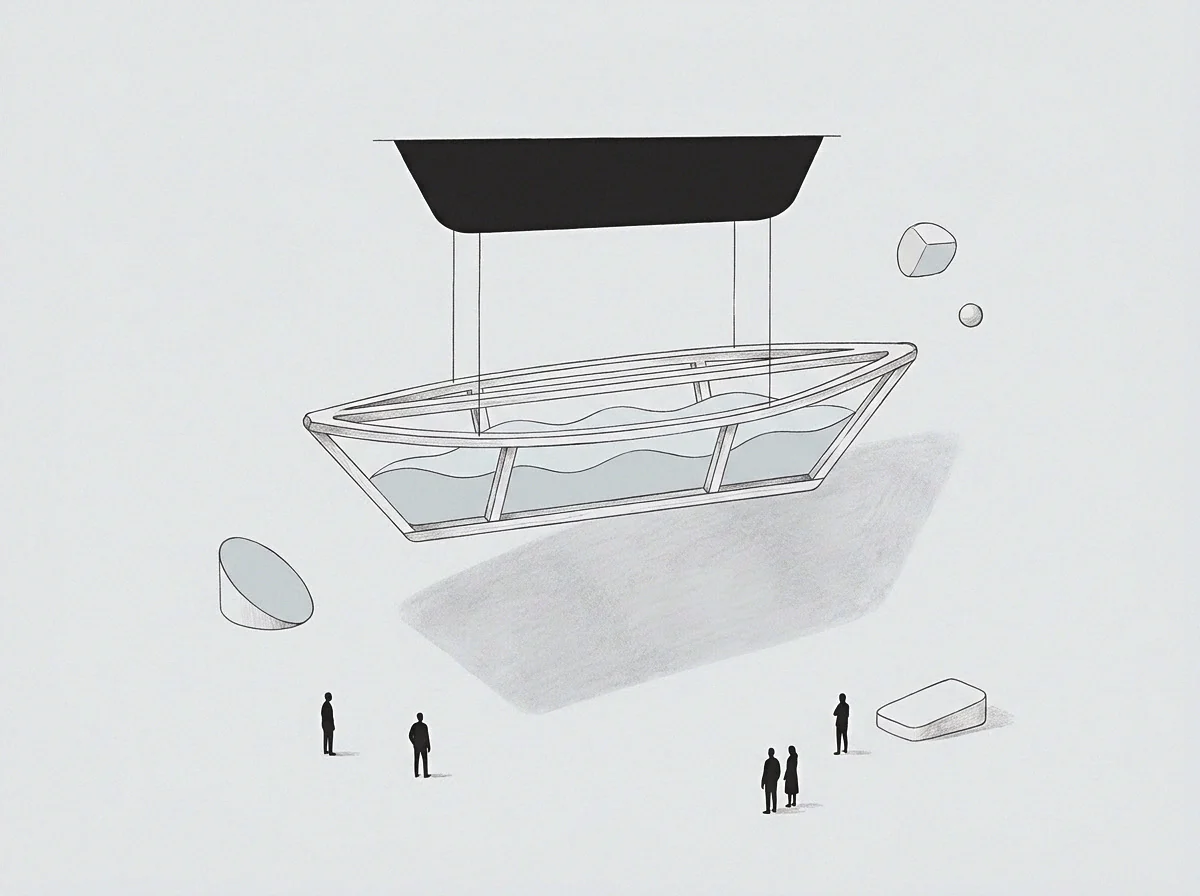
Increased physiological or psychological response to external stimuli resulting from chronic overload or reduced regulatory capacity identifies a state of heightened awareness. In the period following intense founding activity, sensory sensitivity may appear as an intolerance to noise, light, odors or complex social environments. This condition indicates that the nervous system is no longer effectively filtering out irrelevant data.
Stimulus Amplification
Everyday environments that were previously ignored become sources of intense discomfort and distraction. When sensory sensitivity is high, the brain processes every sound and visual cue with the same intensity as a critical threat. This leads to a rapid depletion of the cognitive reserves as the individual tries to manage the influx of information.
The cost is an increase in the energy required to navigate public spaces or collaborative settings.
Attentional Drain
Focusing on a single task becomes difficult when the background environment is constantly pulling at the senses. Because sensory sensitivity forces the brain to monitor everything at once, the capacity for deep work is severely limited. The individual must invest hours into creating specialized, low stimulus environments just to achieve a basic level of focus.
This protective behavior is a necessary response to a regulatory system that has lost its internal filters.
Environmental Threshold
Normal stimulus processing returns only when the overall allostatic load is greatly reduced.