Meaning
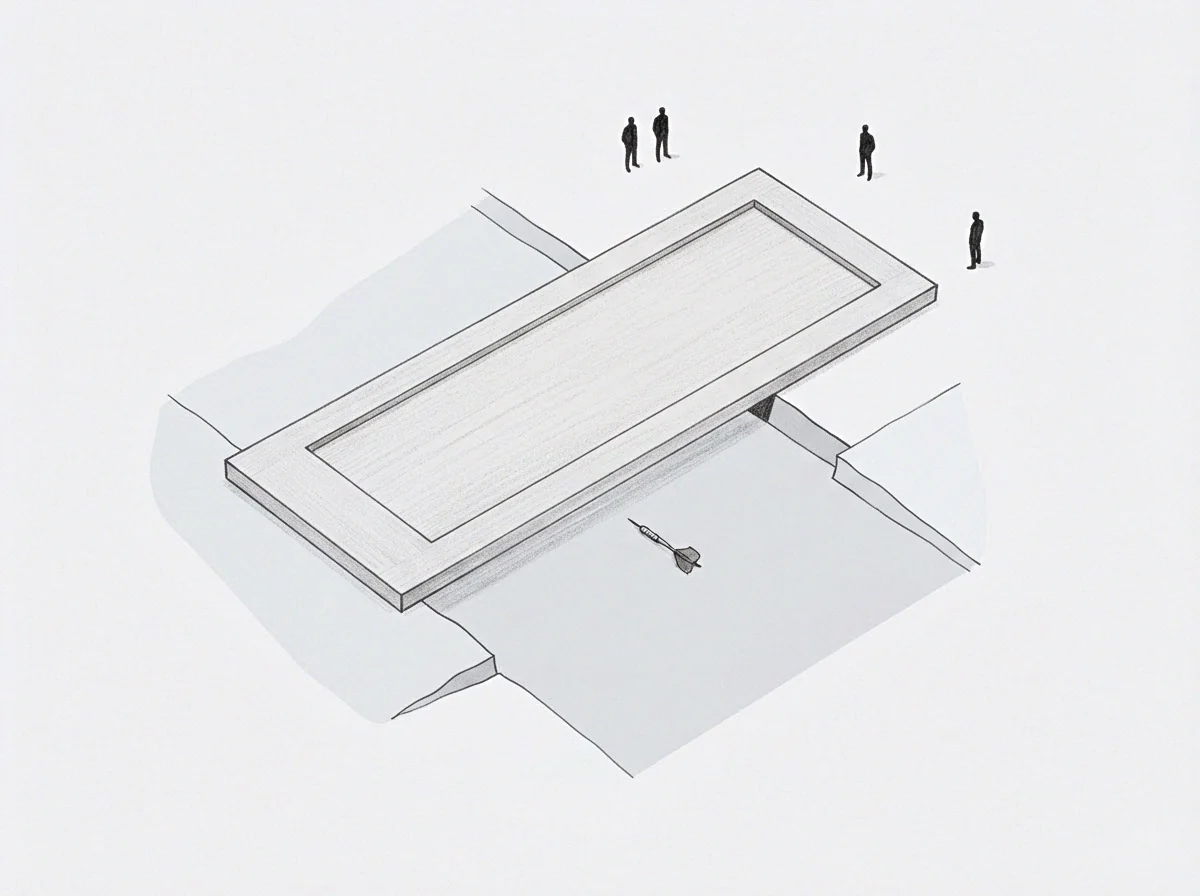
Management architecture frequently positions a senior operational leader between external board volatility and internal organizational execution to protect operational stability. Operating within this functional capacity, the shock absorber executive absorbs board dissatisfaction, investor anxiety, and unpredictable founder impulses, filtering these pressures into measured, executable tasks for downstream teams. Within the post-founding vocabulary, this role protects the internal operational tempo from volatile, reactive governance demands.
The dynamic measures the volume of emotional turbulence and executive distraction intercepted before reaching operating units. The dynamic dissolves when structural crises overwhelm the individual, allowing governance friction to pierce the defensive layer and impact internal team operations.
Buffer Mechanics
Intercepting volatility requires an executive to sit directly within the crossfire of conflicting stakeholder demands. The shock absorber executive handles unpredictable board disputes, investor panic, and erratic strategic revisions, processing these pressures behind closed doors. Rather than passing raw alarm directly to operational teams, this leader translates governance demands into prioritized, structured functional workflows.
The internal workforce remains shielded from erratic shifts in high-level sentiment, continuing product roadmaps, customer acquisition, and infrastructure builds without distraction. By converting chaotic governance inputs into calm operational directives, this leadership buffer preserves institutional focus across extended periods of strategic uncertainty.
Allostatic Toll
Dampening organizational volatility requires significant personal energy, attention, and emotional stamina. The individual serving as a shock absorber executive absorbs heavy psychological friction from both sides of the corporate table without an internal release valve. Board members hold the executive accountable for operational shortfalls, while downstream teams demand clear direction, stable resources, and professional protection.
Internalizing this bidirectional tension generates elevated sympathetic arousal and sustained allostatic strain, gradually depleting the executive’s capacity for strategic thought. Operating within this dynamic often produces quiet professional isolation, as the leader cannot safely display vulnerability to their teams or reveal operational fragility to investors.
Structural Fragility
Relying on an individual executive to buffer systemic friction introduces hidden operational vulnerability into an organization. If the individual serving as a shock absorber executive departs, burns out, or loses political standing, the protective barrier collapses abruptly. Unfiltered governance disputes, erratic demands, and direct founder anxiety flood the functional ranks, destabilizing middle management and stalling delivery schedules.
The company quickly discovers that its perceived operational maturity was merely an individual performance of emotional containment rather than structural institutional resilience. Sustainable enterprise design demands systemic governance firewalls rather than sacrificial individuals to manage institutional volatility over multi-year business cycles.