
Neuroendocrine Allostatic Load Profiles In Solitary Executive Leadership
Solitary leadership forces the brain to budget survival alone, driving sustained neuroendocrine elevation that depletes tissue until systemic buffers exist.

Weight
Four direct reports send messages across eleven minutes while an operating cash model shows eighteen days of payroll remaining. The founder reads each message, leaves them unanswered, closes the laptop, and sits in an unlit office. Heart rate stays at ninety-two beats per minute during complete physical stillness, the cardiovascular system working as if climbing a gravel hill while skeletal muscles stay entirely motionless.
Solitary executive leadership alters how tissue handles threat. The mammalian nervous system treats isolation during systemic crisis as an unnatural state. Under social baseline theory, the human brain budgets metabolic energy expecting that reliable conspecifics will divide the work of vigilance, defense, and problem-solving.
When an executive works without lateral peers holding identical fiduciary accountability, that assumption breaks down. The brain turns to solitary regulation, an expensive strategy that demands steady energetic investment from individual neuroendocrine pathways.
A biological system running solitary vigilance allocates metabolic resources as though physical survival depends on individual wakefulness.
This physiological load builds behind ordinary operating metrics. The executive still approves wire transfers, settles disputes between staff, and projects steady confidence to capital partners. Beneath that exterior, the hypothalamic-pituitary-adrenal axis and the sympathetic-adreno-medullary system fire without recovery intervals, running hot to hold the enterprise steady.
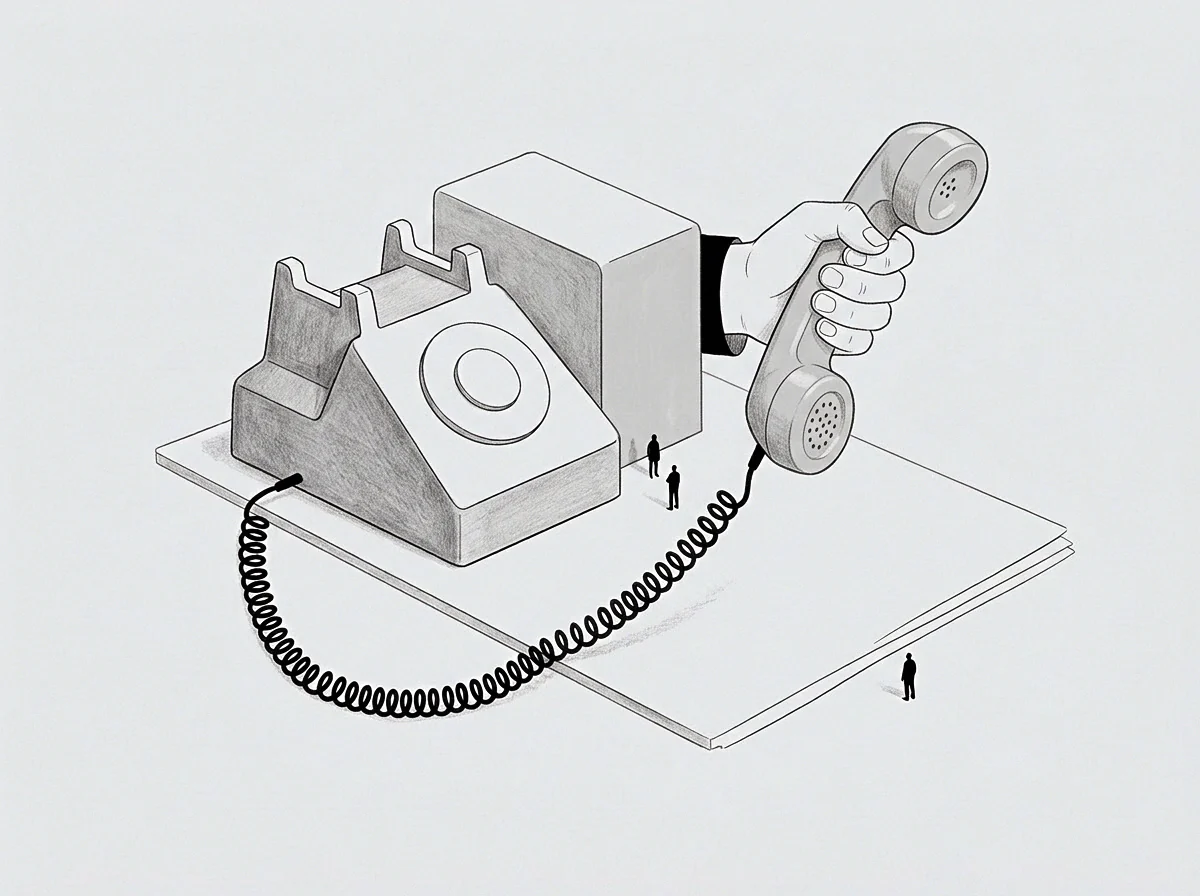
Metabolic Allocation During Solitary Oversight
The human brain consumes twenty percent of resting energy despite making up two percent of body mass. In social baseline theory, physical proximity to trusted, competent allies functions as an energetic subsidy. When threat signals reach the sensory cortex, the presence of an accountable peer dampens dorsal anterior cingulate cortex activation and quiets amygdalar signaling.
Load-forecasting networks calculate lower anticipated effort because the burden is divided. By contrast, a solitary executive receives no relational energetic subsidy; every operational disruption, legal threat, and balance-sheet deficit registers directly against individual tissue.
The resulting adaptation is allostatic load, the cumulative physiological strain of adapting to chronic stressors. Instead of returning to baseline, the neuroendocrine system sets its operating baseline higher. Basal cortisol climbs, arterial walls take higher shear force, and markers of systemic inflammation rise.
Stability in the company is purchased with cellular oxidation in the executive.
Authority also prevents disclosure, concentrating the exposure in one seat. Revealing deep uncertainty to subordinates risks operational cohesion and invites staff flight, while reporting acute distress to capital providers risks valuation penalties or governance intervention. The founder absorbs the incoming volatility, dampens the signal, and projects composure downward, concealing internal endocrine depletion behind a measured exterior.
The cost in physical capacity and attention falls entirely on the person holding the boundary.

Axis
Acute endocrine response depends on two signaling networks. The sympathetic-adreno-medullary system releases catecholamines within milliseconds of perception: norepinephrine and epinephrine saturate adrenergic receptors, raising cardiac output, shunting blood to skeletal muscle, and quickening ventilation. The second route, the hypothalamic-pituitary-adrenal axis, unfolds over minutes and hours.
The paraventricular nucleus of the hypothalamus releases corticotropin-releasing hormone, prompting adrenocorticotropic hormone discharge from the anterior pituitary, which directs the adrenal cortex to produce and release glucocorticoids, primarily cortisol.
During short emergencies, glucocorticoids help preserve function. Cortisol stimulates hepatic gluconeogenesis, pauses digestion, suppresses reproductive endocrine pathways, and mobilizes free fatty acids for cellular work. Under solitary leadership, however, acute threats turn into continuous structural conditions, leaving the founder inside an operational emergency that lasts twenty-six consecutive months.

Adrenal Flattening and Glucocorticoid Resistance
Prolonged activation wears down the feedback loops meant to close down the stress cycle. Circulating cortisol typically binds to glucocorticoid receptors in the hippocampus and hypothalamus, signaling the system to halt corticotropin-releasing hormone secretion. Under constant activation, these receptors down-regulate to protect cellular structures from chronic steroid exposure, and the brain loses the ability to throttle its own adrenal output.
This downregulation leads to glucocorticoid receptor resistance. Circulating monocytes and macrophages become insensitive to the anti-inflammatory properties of endogenous steroids. Pro-inflammatory cytokines, specifically interleukin-six and tumor necrosis factor-alpha, remain elevated even as serum cortisol reads high, producing low-grade vascular inflammation alongside metabolic exhaustion.
| Physiological Parameter | Solitary Founder Governance | Distributed Multi-Partner Governance | Clinical Significance |
|---|---|---|---|
| Cortisol Awakening Response | Blunted or flattened morning rise with elevated nocturnal nadir | Preserved dynamic curve with sharp morning surge and low evening trough | Loss of diurnal rhythm predicts metabolic dysfunction and prefrontal fatigue |
| Heart Rate Variability | Low root mean square of successive differences, depressed vagal tone | Preserved high-frequency band, elevated parasympathetic reactivation | Low vagal efficiency restricts prefrontal executive inhibition under threat |
| Inflammatory Mediators | Elevated interleukin-six and high-sensitivity C-reactive protein | Basal physiological ranges for circulating pro-inflammatory cytokines | Sustained cytokine signaling accelerates arterial stiffness and sleep disruption |
| Catecholamine Clearance | Sustained plasma norepinephrine elevations during non-working intervals | Rapid post-crisis clearance of free catecholamines to basal state | Receptor downregulation leads to chronic peripheral vasoconstriction |
This shift from healthy diurnal variation to flattened endocrine output shows clearly in salivary profiles. A typical profile shows a sharp rise on waking followed by a steady descent to a low evening nadir. A solitary founder often shows a blunted waking spike alongside elevated midnight cortisol, keeping the system mobilized during hours meant for tissue repair.
A sustained imbalance of this degree degrades basic signaling. When peripheral tissues ignore glucocorticoid instructions, cellular metabolic efficiency drops thirty to forty percent across major organs. Cells fail to process glycogen cleanly, triggering cognitive fogginess during technical negotiations as regulatory machinery overwhelms the physical platform beneath it.
Buffer
Relational regulation is built into human neurology. When two people share accountability for an existential problem, the brain processes the threat through a divided metabolic budget, using the presence of a regulated peer as an external biological governor. Operating without that counterweight, an isolated executive depends entirely on internal compensation to stay functional.
This mechanism rests on the responsive other, an attachment partner whose consistent availability allows the nervous system to ease its vigilance. In developmental biology, a primary caregiver provides that anchor; in an organization, it requires a lateral peer carrying comparable legal, financial, and practical exposure. Subordinates cannot serve this function because their security depends on the founder staying composed.
Advisors leave once their sessions conclude, and domestic partners cannot assume the role without introducing commercial exposure into the home.
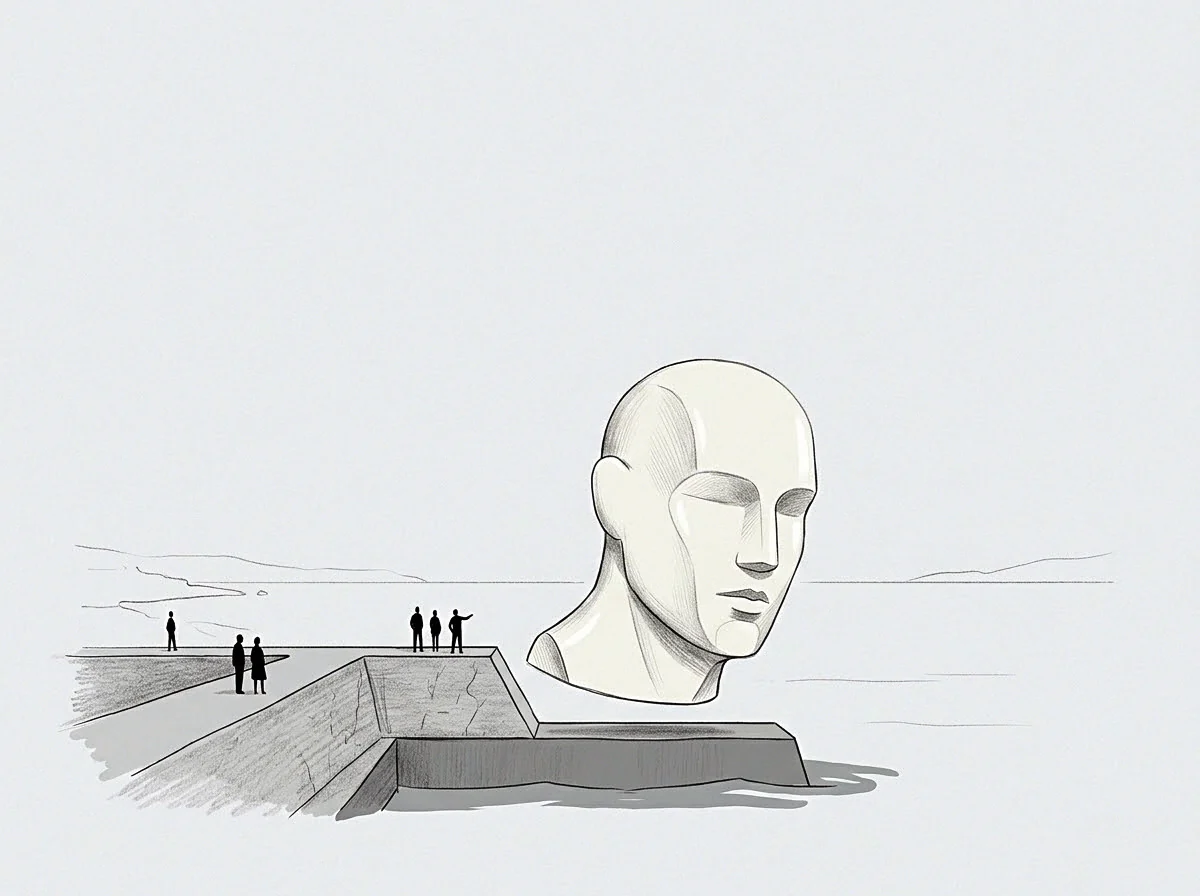
The Social Baseline Depletion Cycle
Social baseline theory accounts for the rate of biological wear in single-founder companies. Because the brain gauges environmental risk according to social proximity, solitary working conditions signal vulnerability and demand continuous individual vigilance. The executive scans the operating environment, estimates odds of organizational failure, and works through conflicting inputs without shared containment.
Structural isolation alters autonomic tone. The parasympathetic system, mediated by the vagus nerve, governs heart rate deceleration, vocal prosody, and social engagement. In the absence of an energetic social baseline, vagal efficiency drops.
The nervous system leans into defensive postures, turning attention toward worst-case projections and reading neutral workplace interactions as adversarial.
A founder who absorbs structural shocks without a lateral biological equal converts operational volatility into systemic inflammation.
The absence of social buffering produces specific neurobehavioral adaptations:
- Hypervigilant scanning manifests as compulsive monitoring of communication channels at four in the morning, each notification triggering a fresh catecholamine surge.
- Affective isolation blocks the expression of operational anxiety to the wider team, compelling the founder to project steadiness during severe revenue contractions.
- Decisional paralysis emerges after thirty consecutive months of absorbing risk alone, driven by prefrontal cortex glucose depletion and heightened amygdala signaling.
- Regulatory transference develops as staff rely on the founder for their own composure, drawing on limited energetic reserves without providing reciprocal balance.
These biological adaptations create operational friction. The founder can appear distant, overly controlling, or reactive during reviews. While colleagues often read these shifts as personal flaws or leadership deficits, they are the expected output of an isolated organism managing severe exhaustion.
Without that social buffer, the person in the seat manufactures composure out of finite physiological reserves.

Cost
The cost in physical capacity from unmitigated allostatic load extends well past ordinary fatigue. Sustained neuroendocrine activation alters three interdependent systems: the vascular wall, metabolic regulation, and cerebral architecture. These shifts develop quietly over years of solitary governance, often staying unnoticed until functional impairment appears.
A founder operating without an executive peer through four years of venture financings, restructurings, and litigation may see daily blood pressure drift from 118/75 to 142/92 millimeters of mercury. The increase is not caused by diet or missed workouts; it is sustained by tonic sympathetic vasoconstriction and elevated plasma endothelin-one. Over time, vascular smooth muscle hypertrophies under the pressure, stiffening the arterial tree.

Microvascular and Cerebral Remodeling
Persistent elevations in cortisol and inflammatory markers wear down vulnerable microvascular beds. In the brain, this causes structural remodeling within the prefrontal cortex and the hippocampus. High concentrations of glucocorticoids suppress brain-derived neurotrophic factor, leading to dendritic atrophy in prefrontal pyramidal neurons and reducing synaptic density across regions that govern executive function, working memory, and planning.
At the same time, the basolateral amygdala shows dendritic growth and hyper-innervation under continuous cortisol exposure. The neural architecture reorganizes around immediate threat detection at the expense of long-range analysis. The founder becomes biologically primed for crisis response while losing capacity for complex five-year planning, running hardware wired for emergency triage while the business demands measured administration.
In deep underground mining, atmospheric safety historically depended on mechanical ventilation monitors rather than human perception. When fans failed, workers did not smell gas; they slowed their pace, made calculation errors, and collapsed while assuming they were working normally. Solitary leadership creates a comparable hypoxia, where neural efficiency degrades long before the executive consciously registers distress.
Metabolic disruption compounds this decline. Elevated baseline glucocorticoids drive visceral adiposity even under caloric discipline, routing lipid storage toward mesenteric fat depots. These active depots discharge steady streams of interleukin-six into the portal circulation, provoking hepatic insulin resistance, raising fasting blood glucose, and elevating circulating triglycerides.
The executive frequently treats these changes as temporary compromises required for the venture to succeed. Yet endothelial damage, loss of hippocampal volume, and microvascular stiffening represent durable physical changes in biological tissue rather than deferred obligations that can be settled after a liquidity event.
The board reviews steady revenue figures while the human platform running the operation continues to deteriorate.
Shift
Reversing this neuroendocrine profile does not necessarily require stepping down from operational control.
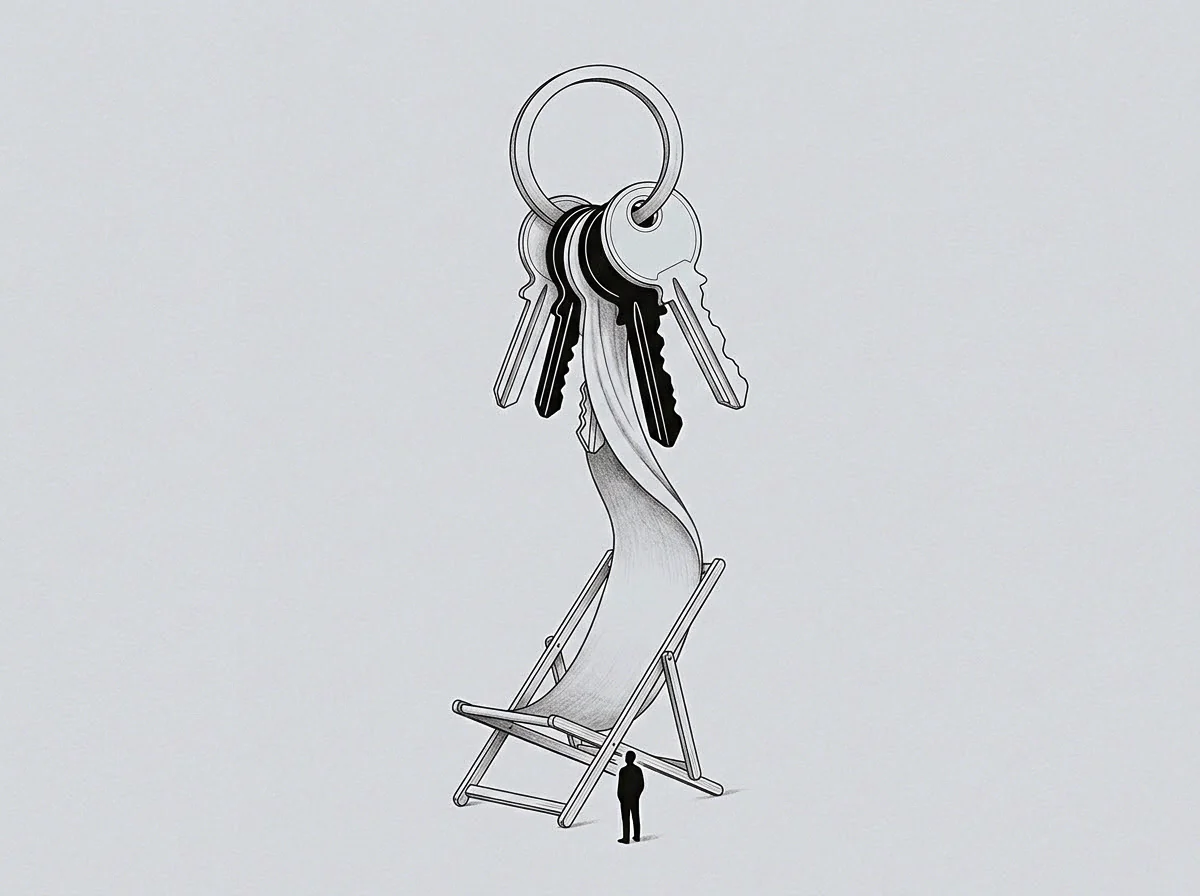
Shifting this allostatic trajectory requires structural intervention rather than personal wellness habits. Vacations, meditation apps, and short leaves leave the baseline untouched because they leave the isolation intact; the nervous system recognizes that the burden of survival still rests on a single set of shoulders. Changing the endocrine profile requires changing how the seat itself is structured.
The practical objective is cultivating earned security, a working structure in which the executive experiences lateral support as present, competent, and dependable. This requires bringing in operational co-regulators who share accountability for existential company outcomes, allowing the central nervous system to shift from solitary threat management back toward an energy-conserving social baseline.
Engineering Structural Co-Regulation
Establishing operational co-regulation depends on governance changes rather than emotional affirmation. The executive institutes explicit administrative arrangements that divide existential weight among trusted peers:
- The executive identifies critical threats and shares direct operational accountability with an experienced chief operating officer or equal co-founder, ending unilateral containment.
- The governance group institutes two-signature protocols for systemic commitments, removing single-point operational liability.
- The company establishes operational containment windows with scheduled communication blackouts, during which core operating responsibilities pass fully to secondary leadership.
- The leader forms peer circles composed of former operators who have carried comparable exposure, securing functional co-regulation outside company reporting lines.
These structural adjustments reshape threat calculations in the brain. Once the central nervous system senses that systemic risk is absorbed by capable peers, amygdalar activity recedes and parasympathetic vagal control recovers. The adrenal glands lower basal cortisol production, allowing down-regulated glucocorticoid receptors to regain sensitivity.
Salivary rhythms re-establish their diurnal curve, supporting slow-wave sleep and facilitating the clearance of metabolic waste from neural tissue.
A structural limit stated clearly to capital partners and executive staff protects the biological tissue of the person in the seat.
Executives accustomed to solitary oversight often find the transition difficult, treating shared accountability as an operational risk and struggling to surrender unilateral control. An established regulatory pattern reads reliance on others as exposure, setting off catecholamine surges during initial delegation. Resetting that autonomic response takes repeated exposure to shared operational pressure where peers reliably perform under load.
Across eighteen to twenty-four months of distributed responsibility, the endocrine system resets its allostatic baseline. Resting pulse drops, heart rate variability metrics improve, and circulating inflammatory markers return toward standard ranges. As prefrontal capacity clears, the executive moves away from continuous triage and back into prospective strategy, shifting the enterprise from consuming founder physiology to functioning as an institution built for sustained execution.
The shift is complete when an operational crisis arrives, and the leader sleeps through the night knowing the strain is absorbed by the organization rather than carried entirely by an individual nervous system.