Meaning
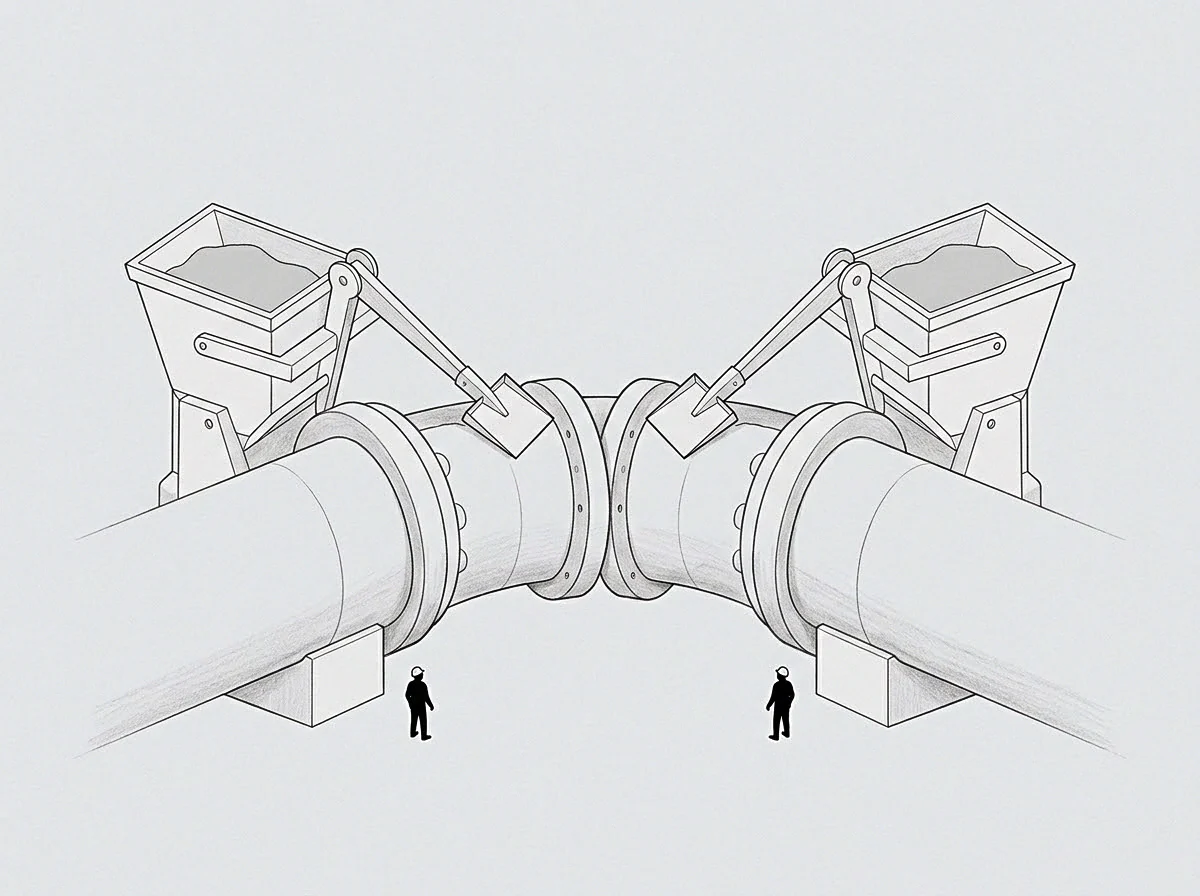
Operational reserves that allow a firm to handle unexpected compliance inquiries or market shocks without halting growth represent a stabilizing buffer. Having robust shock absorption ensures that a sudden audit does not pull all engineering resources away from the core product. Companies with high reserves can withstand regulatory shifts with minimal disturbance to daily operations.
Buffer Metric
Working capital ratios and surplus staff hours are measured regularly to determine the organization’s resilience. Solid shock absorption is demonstrated when the company can lose a key team member and still hit filing deadlines. Maintaining these margins prevents operational panic when sudden events occur.
Implementation Cost
Holding extra cash reserves and hiring redundant staff reduces the immediate profitability of the company. Building shock absorption into the system means spending money on spare capacity that might not be used frequently. This strategy requires founders to trade short-term efficiency for long-term survival.
Forgoing maximum growth speed protects the startup from going out of business during a surprise regulatory audit.
Boundary Factor
Unforeseen crises can still exceed the buffer size if the disruption is global or indefinite. The effectiveness of internal reserves is always limited by the severity of the external shock. Beyond this point, the firm must seek external financing to survive.