Meaning
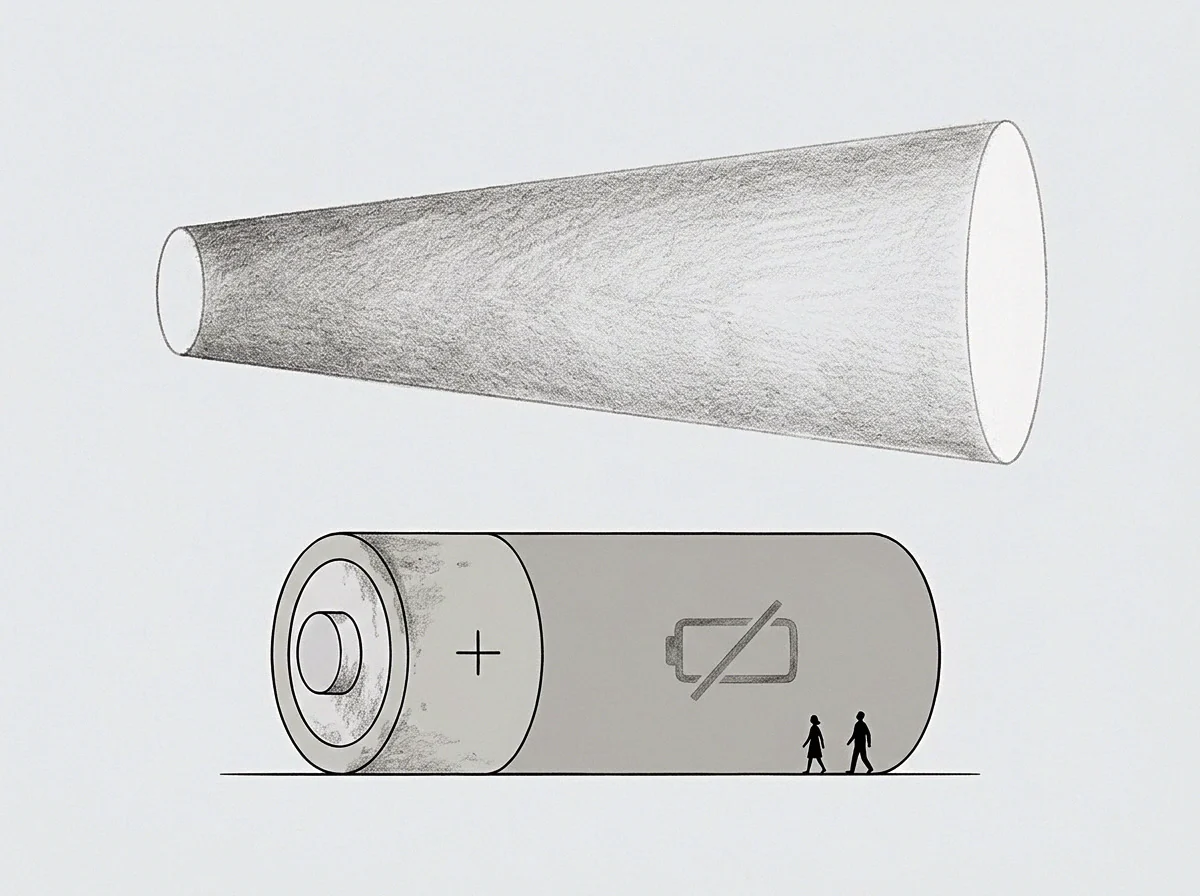
Reduction of the intensity or frequency of external alerts allows a person to maintain focus on a single high priority objective. The technique of signal dampening involves the use of tools or habits to lower the volume of the environment. It prevents the nervous system from being overwhelmed by a high density of incoming data.
This process is active and requires the deliberate choice to ignore certain channels.
Noise Filtration
Distinguishing between critical information and background chatter is the primary goal of this method. Effective signal dampening removes the distracting influence of non essential notifications and social pressure. This allows the person to allocate their limited attention to the most complex problems.
Biological Preservation
Constant exposure to high intensity signals keeps the body in a state of alert that is metabolically expensive. By dampening these signals, the individual reduces their overall stress levels and prevents the onset of fatigue. This reduction supports the maintenance of a healthy baseline.
System Failure
Total isolation can be a risk if the dampening is so aggressive that vital information is missed. The boundary of this practice is the point where the loss of data begins to negatively impact the quality of decisions. Successful implementation requires a dynamic adjustment of the dampening level.