Meaning
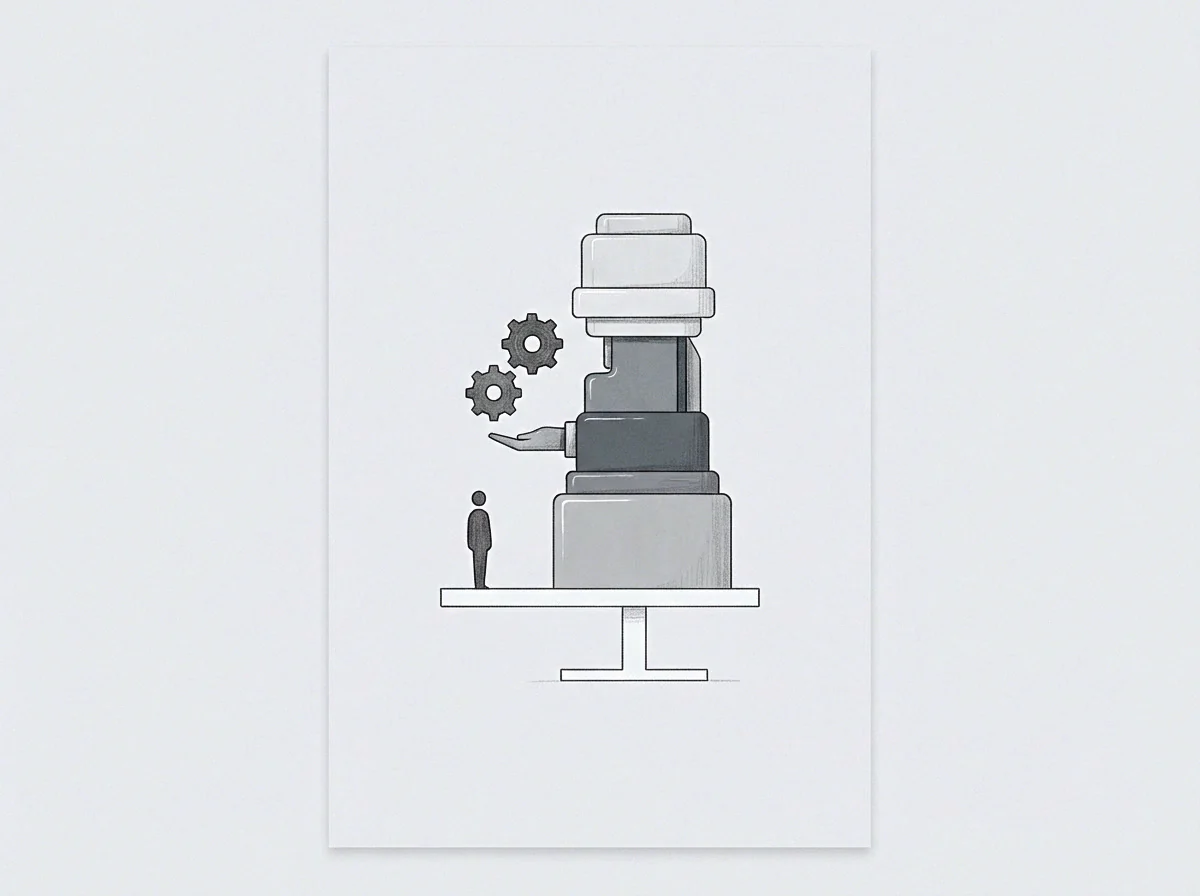
Solitary responsibility is the structural condition where a single human being holds the final operational and financial accountability for an entire enterprise without peers, partners, or hierarchical superiors to share the burden. This baseline regulates the organization through unmediated pressure, meaning every signal of operational friction or financial shortfall lands directly on one nervous system. The boundary of this condition sits precisely at the point where a cofounder joins or a board takes active operational control, ending the period of total isolation.
Cognitive Cost
The psychological load of running an enterprise entirely alone drains mental bandwidth through continuous threat monitoring rather than discrete problem solving. Attention fragments because the individual must switch between tactical execution and strategic oversight without a sounding board to test assumptions or validate risks. This state differs from ordinary fatigue because sleep does not restore the capacity lost to chronic hypervigilance.
Capacity Limit
Human processing bandwidth caps out well before market demands plateau, forcing founders to trade long term health for immediate operational survival. Attention splits across dozens of distinct domains simultaneously, degrading decision quality as the cost of context switching accumulates throughout the working day.
Regulatory Isolation
Unassisted self regulation replaces external oversight when no board members or senior colleagues exist to demand justification for strategic choices. This lack of friction permits unchecked escalation of commitment because no institutional counterweight questions a failing course of action before resources run out.