
Rebuilding Autonomic Regulation After Extended Solitary Leadership Under Load
Autonomic regulation recovers when sustained solitary load gives way to repeated physical co-regulation, updating the internal baseline from threat to safety.
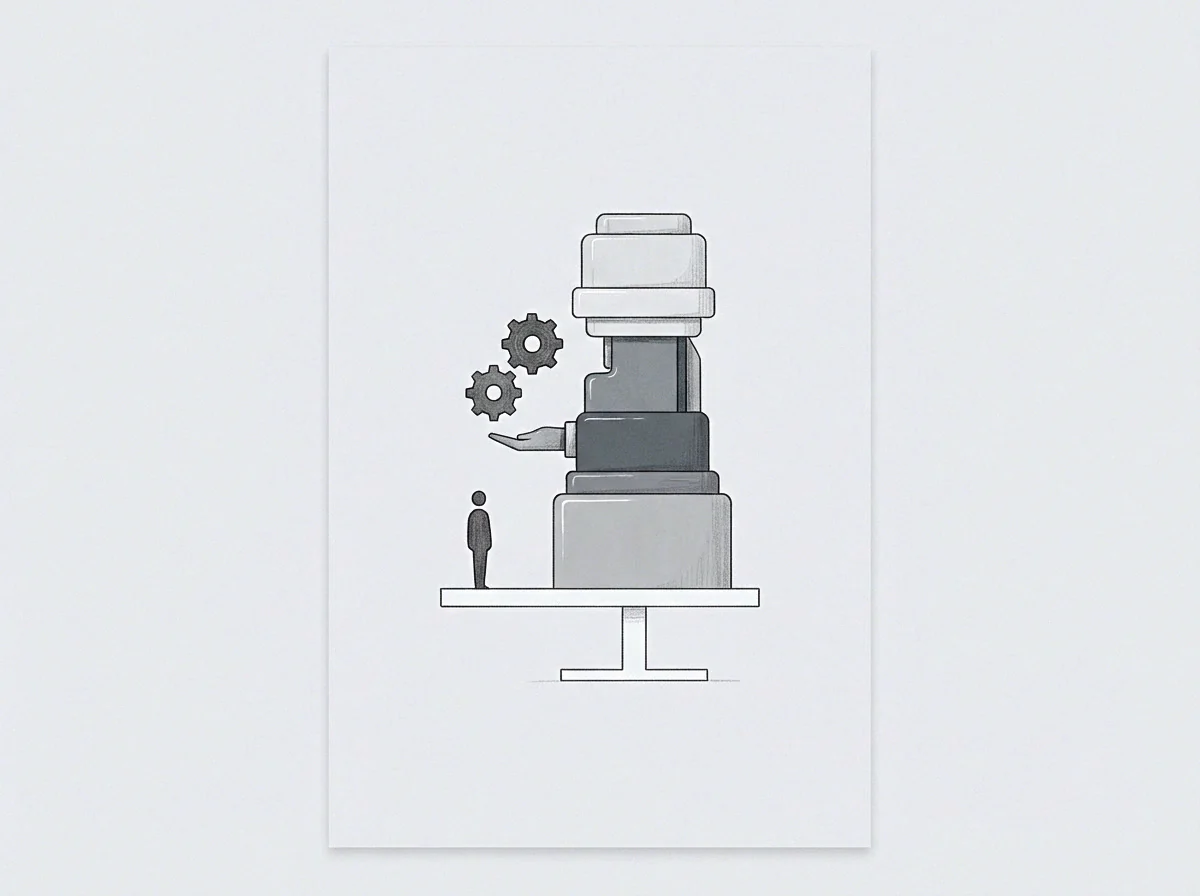
Desk
Four operational alerts sitting unanswered on a primary terminal at two in the morning point to late autonomic elevation. When an operator runs an enterprise alone for long stretches without shared risk, the nervous system stays set to continuous vigilance. Metabolic resources go toward anticipation instead of recovery.
The brain calculates threat against the available social structure, treating isolation as a risk multiplier. Lacking a partner to share cognitive and physiological load, the leader works under a high-cost regulatory regime.

Solitary Execution and Sympathetic Elevation
Deciding everything alone keeps the sympathetic nervous system persistently engaged. Normally, cardiac vagal control acts as a brake, slowing the heart and allowing physiological recovery during brief operational lulls. Prolonged solitary pressure suppresses that vagal brake, shifting the autonomic baseline upward.
Cortisol remains elevated, flattening the diurnal rhythm and breaking up sleep architecture. After months of carry without relief, the baseline resets to treat constant threat as ordinary operating conditions.
Research in affective neuroscience indicates that human autonomic systems default to shared load bearing. Under social baseline theory, physical proximity to a reliable partner lowers the neural expenditure required to evaluate environmental threats. Working without that proximity forces the prefrontal cortex to consume additional glucose simply to sustain emotional control and executive focus.
The physiological cost of a given output doubles in isolation, and allostatic load accumulates quietly as the operator adapts to the ongoing metabolic drain.
Social baseline theory establishes that autonomic expenditure drops when a dependable human presence stays physically near during sustained threat.
Isolation drives the brain to build redundant monitoring loops. An operator constantly scans the system for vulnerabilities, aware that no one else holds ultimate accountability. That uninterrupted surveillance creates chronic autonomic tension.
As vagal tone falls over long periods alone, the body loses the ability to downshift into parasympathetic recovery, even during temporary lulls in demand.
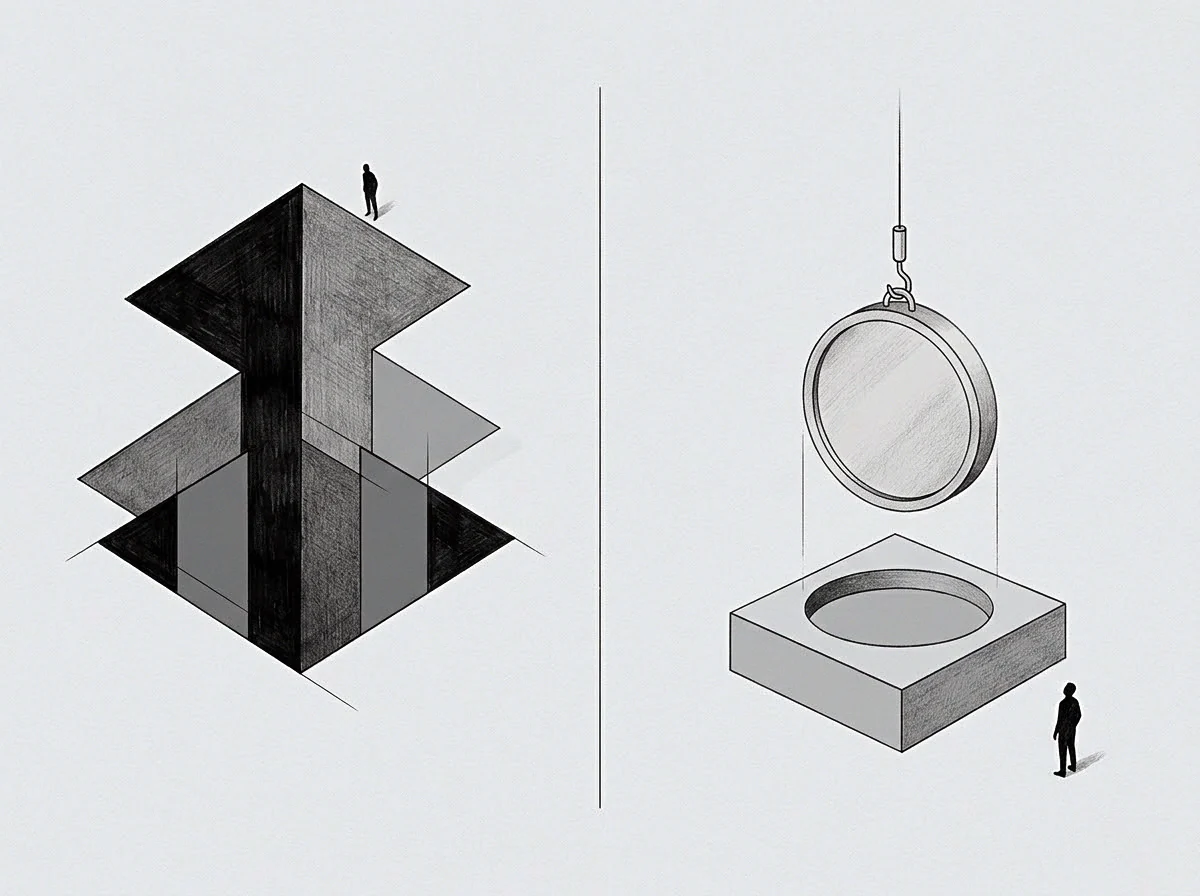
The Physiological Price of Self-Regulation
Relying entirely on self-regulation burns metabolic reserves far more quickly than co-regulated execution. When two operators handle a complex problem together, their autonomic systems synchronize, stabilizing heart rate variability and muting extreme threat responses. Regulating alone carries a heavy physiological toll.
Lacking a co-regulating partner, the operator leans on top-down control to blunt fear, frustration, and fatigue, an effort that gradually degrades cognitive flexibility and shifts neuroendocrine function.
Sustained solitary self-regulation ends in autonomic exhaustion. To protect remaining energy reserves, the nervous system throttles output, forcing a drop in capacity that looks like severe fatigue. Trying to drive fast execution from a depleted baseline reliably degrades decision quality, emotional stability, and physical stamina.

Model
Early internal working models shape how a person expects others to respond to distress. Years spent carrying sole structural authority under pressure reshape that template. The operator comes to act strictly as a source of stability for everyone else while losing the capacity to take in support.
Co-regulation runs entirely in reverse: the leader serves as an external stabilizer for the organization, taking on systemic tension while presenting a steady surface.
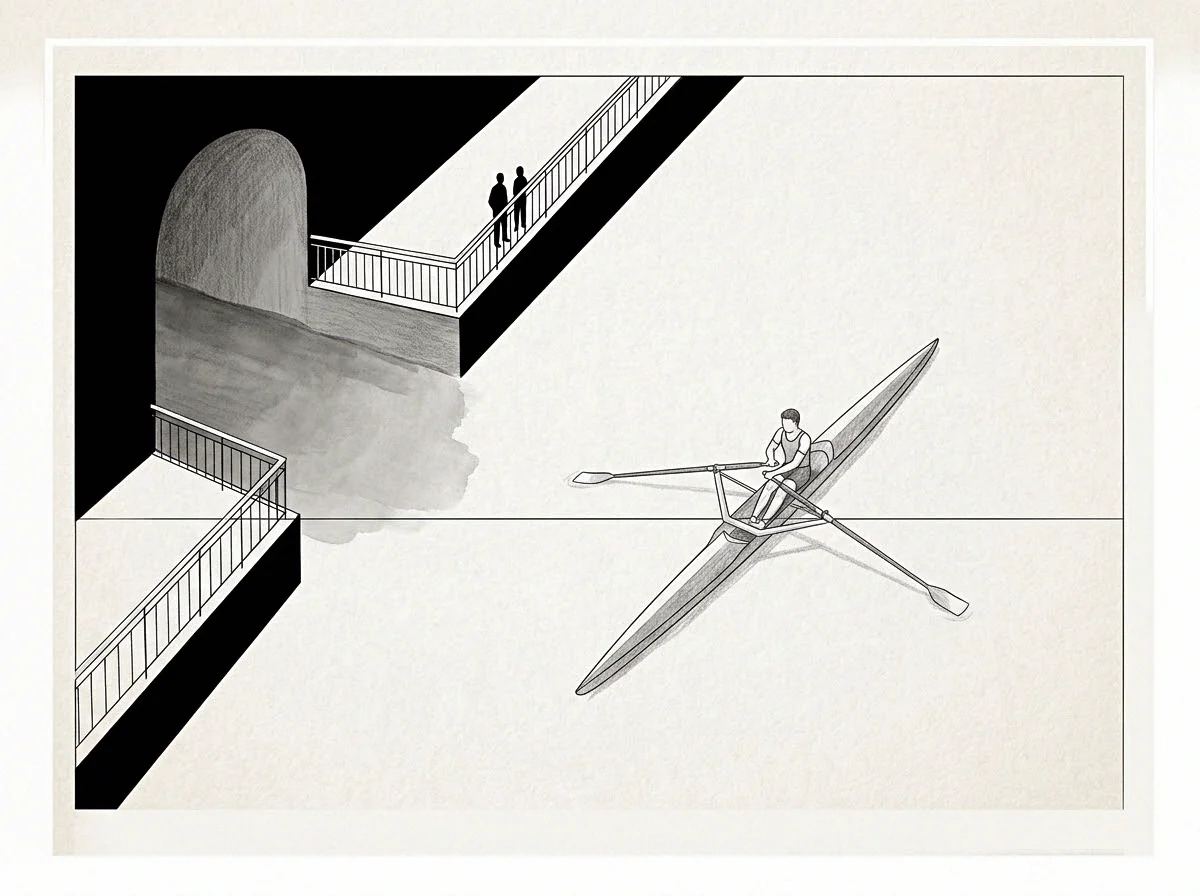
Reverse Co-Regulation and the Missing Slot
Organizations naturally orient around a steady physiological presence when panic hits. Staff, directors, and partners latch onto the leader’s calm to steady their own autonomic reactions. The leader maintains this steadiness continuously, taking in the organization’s turbulence without a channel to discharge accumulated arousal.
The operational template leaves no functional slot for receiving support from anyone else.
When an operator maintains high sympathetic activation without co-regulation, the neural baseline treats solitary effort as the permanent operating condition.
This establishes an uneven exchange. The organization draws stability from the leader, who receives no physical grounding in return. Over time, every interaction begins to feel like a demand for regulation.
Accepting genuine assistance becomes difficult, as the nervous system misreads incoming offers of help as another prompt to project calm.
- Receptor slot atrophy sets in when an operator continuously stabilizes surrounding teams while rejecting external grounding through an extended crisis.
- Compulsive self-reliance leads an operator to avoid shared authority, because handing off critical tasks creates more autonomic friction than doing the work alone.
- Arousal masking occurs when the nervous system conceals intense sympathetic drive behind measured speech and a flat affect.
- Relational hyper-vigilance compels the leader to track the emotional state of team members constantly to head off unexpected disruptions.
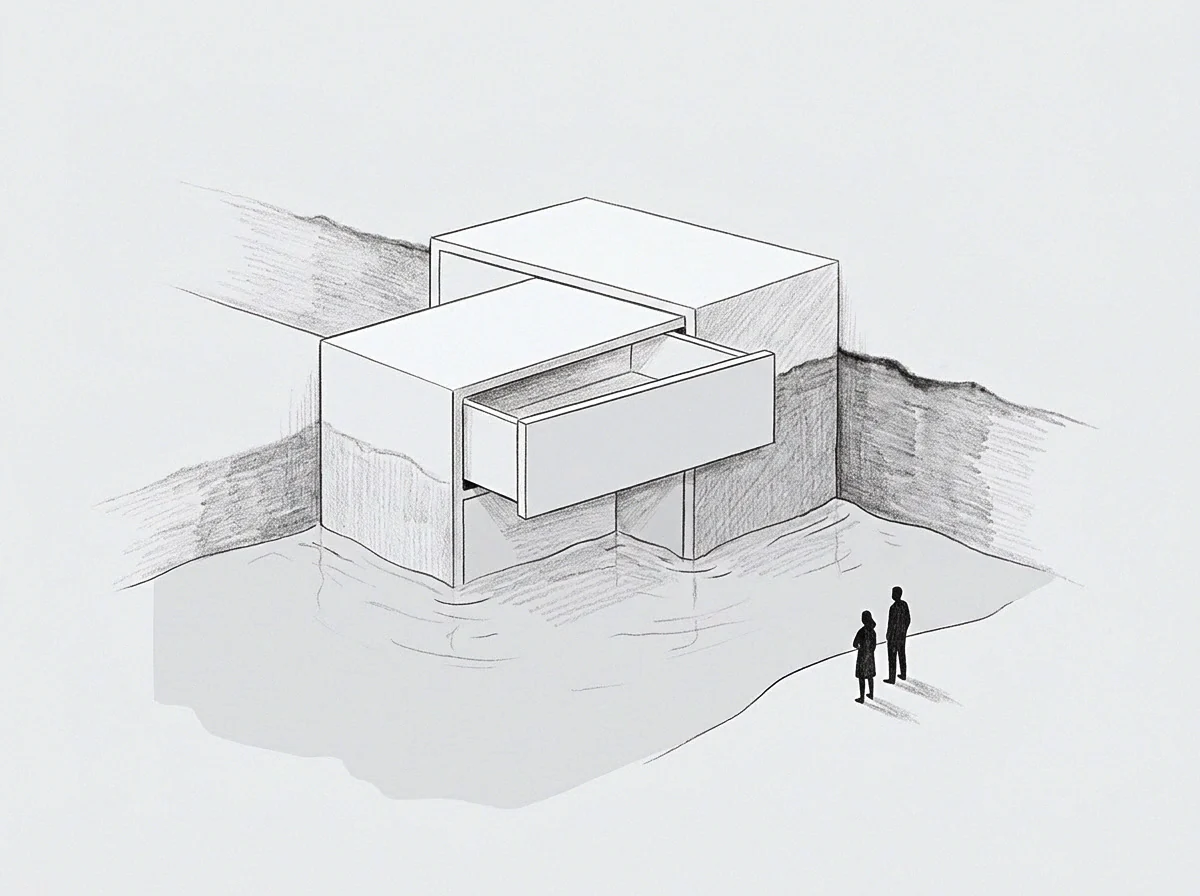
How Surrounding Teams Borrow Calm
Teams and co-founders draw composure directly from a leader’s tone and posture. When systems fail unexpectedly, the group reads the leader’s voice and expression to evaluate the danger. Controlling those outward signals to keep the room steady takes real metabolic work, draining autonomic reserves that are already thin.
Teams rarely see the energy cost this quiet stabilizing work extracts. Because the leader appears untroubled under pressure, stakeholders assume capacity is unlimited, passing along larger operational burdens and tightening the solitary pattern. The assumptions holding that structure together remain straightforward.
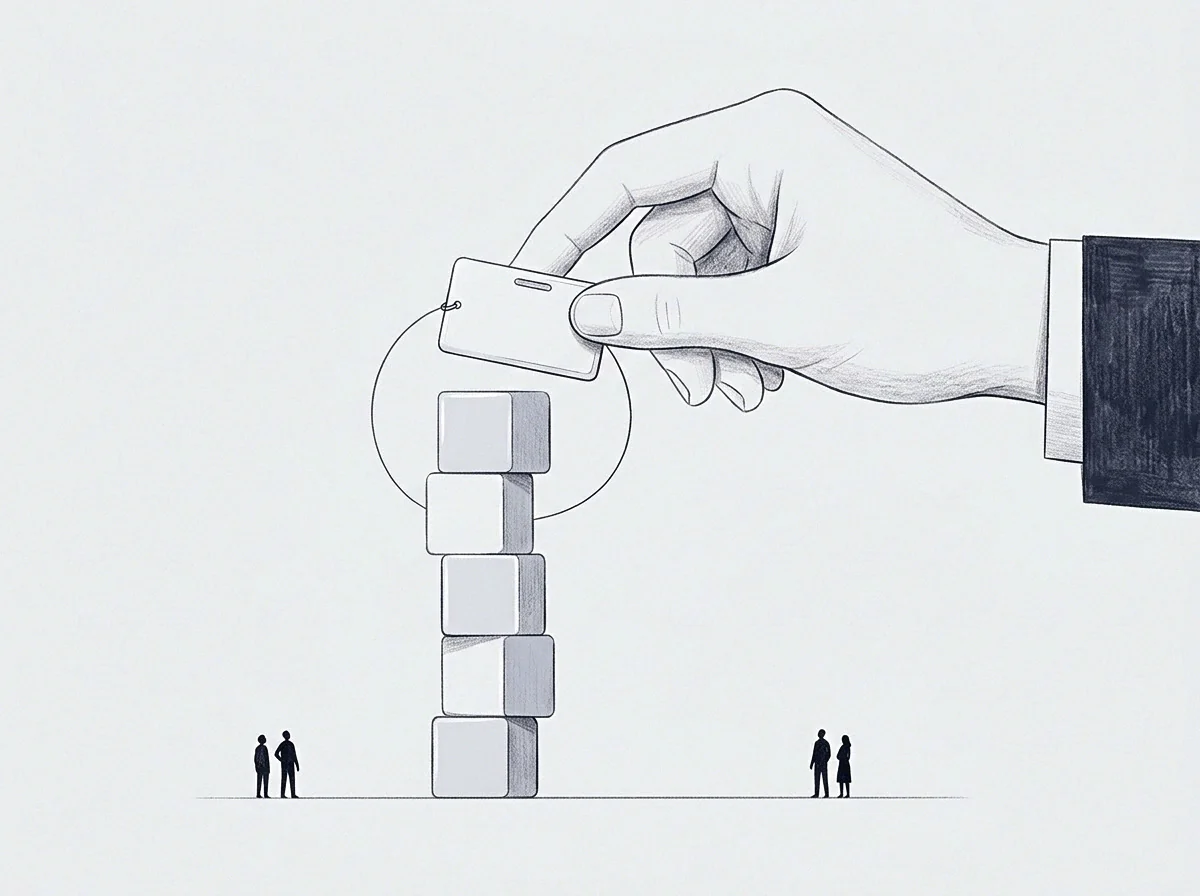
Operations hold together only as long as one person stays in place to take the hit.
Bandwidth
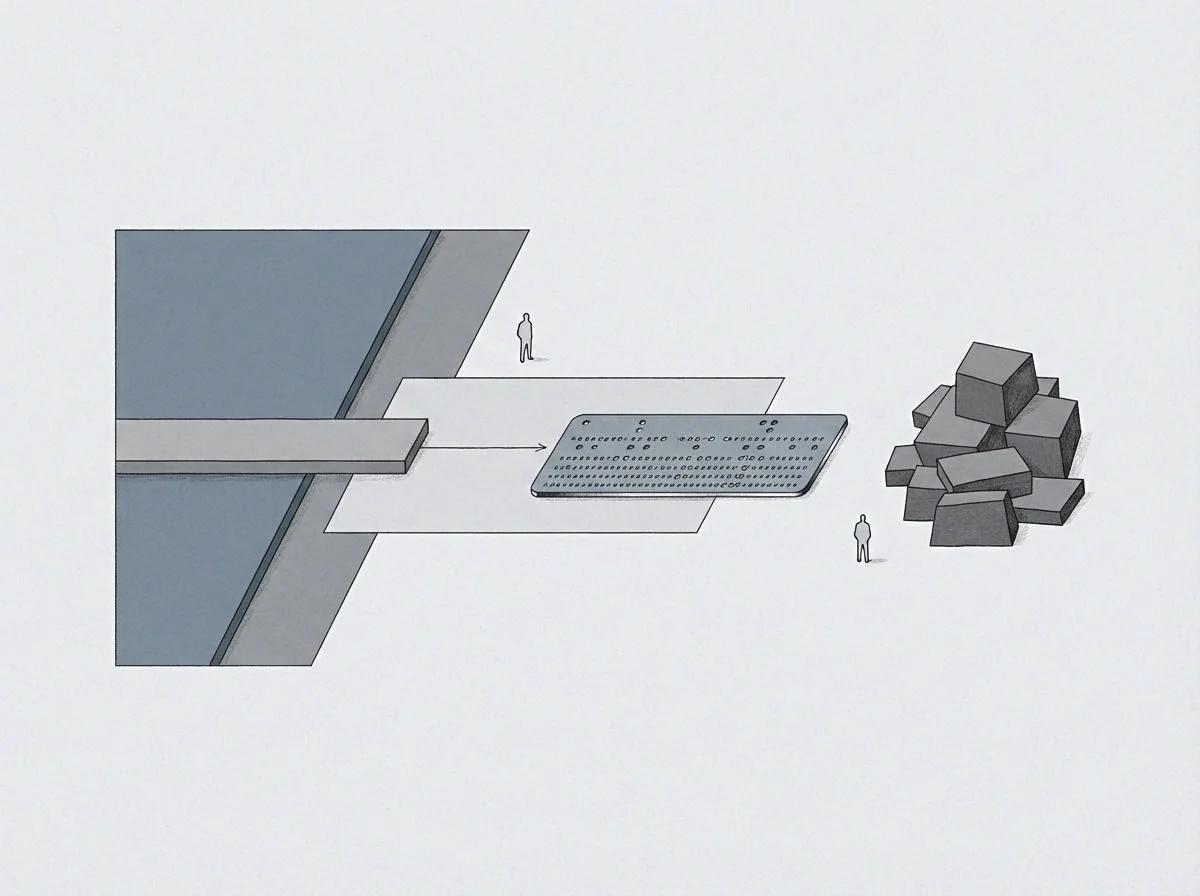
Autonomic throttling serves as a defense against systemic collapse. When allostatic load runs past sustainable capacity, the brain restricts cognitive throughput, emotional range, and physical drive to conserve energy. This response is often mistaken for clinical depression.
While depression involves persistent negative mood and anhedonia, throttling functions as an emergency conservation measure: the neural hardware is intact, but output narrows to safeguard baseline physiological functions.
Throttling Versus Clinical Depression
Separating autonomic throttling from clinical depression comes down to how someone responds to short-term environmental safety. With throttling, a person recovers quickly once operational pressure lifts and a steady co-regulating presence steps in. Clinical depression, by contrast, maintains a low mood regardless of immediate shifts in workload.
Throttling is an immediate reflection of a depleted threat budget.
The distinction matters for treatment. Cognitive interventions rarely resolve autonomic throttling because the issue sits in subcortical threat accounting rather than cognitive distortions. Executive processing returns to full bandwidth only after the nervous system registers physical safety, lower operational concurrency, and direct co-regulation.
A leader who absorbs secondary panic without receiving physiological grounding gradually loses the capacity to detect their own exhaustion.
How Does Availability Direct Incoming Load?
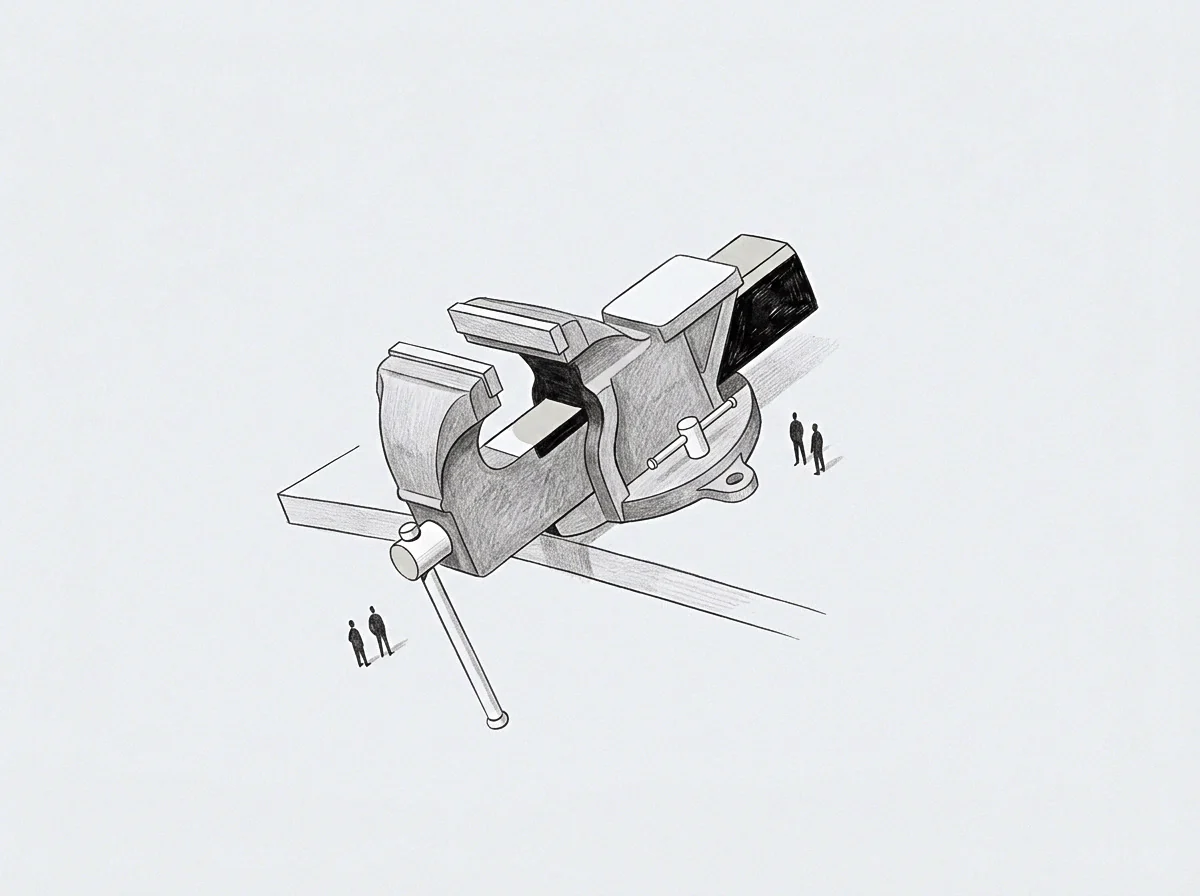
Constant digital availability keeps the autonomic system engaged. Every incoming notification or operational alert signals potential friction, preventing the body from settling into parasympathetic recovery. For an operator already working from an elevated sympathetic baseline, each ping triggers small spikes in heart rate and a fresh release of stress hormones.
The table below details three operational modes alongside their autonomic costs, concurrency limits, and long-term regulatory outcomes under sustained pressure.
| Regulation Mode | Autonomic Cost | Concurrency Limit | Regulatory Outcome |
|---|---|---|---|
| Solitary Self-Regulation | Extremely High Metabolic Expenditure | Single Thread Operational Capacity | Autonomic Throttling and Systemic Exhaustion |
| Structural Delegation | Moderate Cognitive Monitoring Drain | Multi-Thread Segmented Capacity | Partial Load Relief with Residual Vigilance |
| Relational Co-Regulation | Low Metabolic Expenditure | High Distributed Capacity | Earned Security and Sustainable Baseline |
| Data reflects physiological load accounting under extended operational strain. | |||
Delegating tasks without relational co-regulation provides only partial relief. It may shave off working hours, but the operator usually keeps monitoring loops open to track execution. The autonomic system stays on alert as long as ultimate exposure rests in a single seat.
Genuine recovery requires structural changes that alter that underlying risk calculation.
The neural baseline can absorb operational load only so long before protective throttling begins to erode executive function.
Proximity
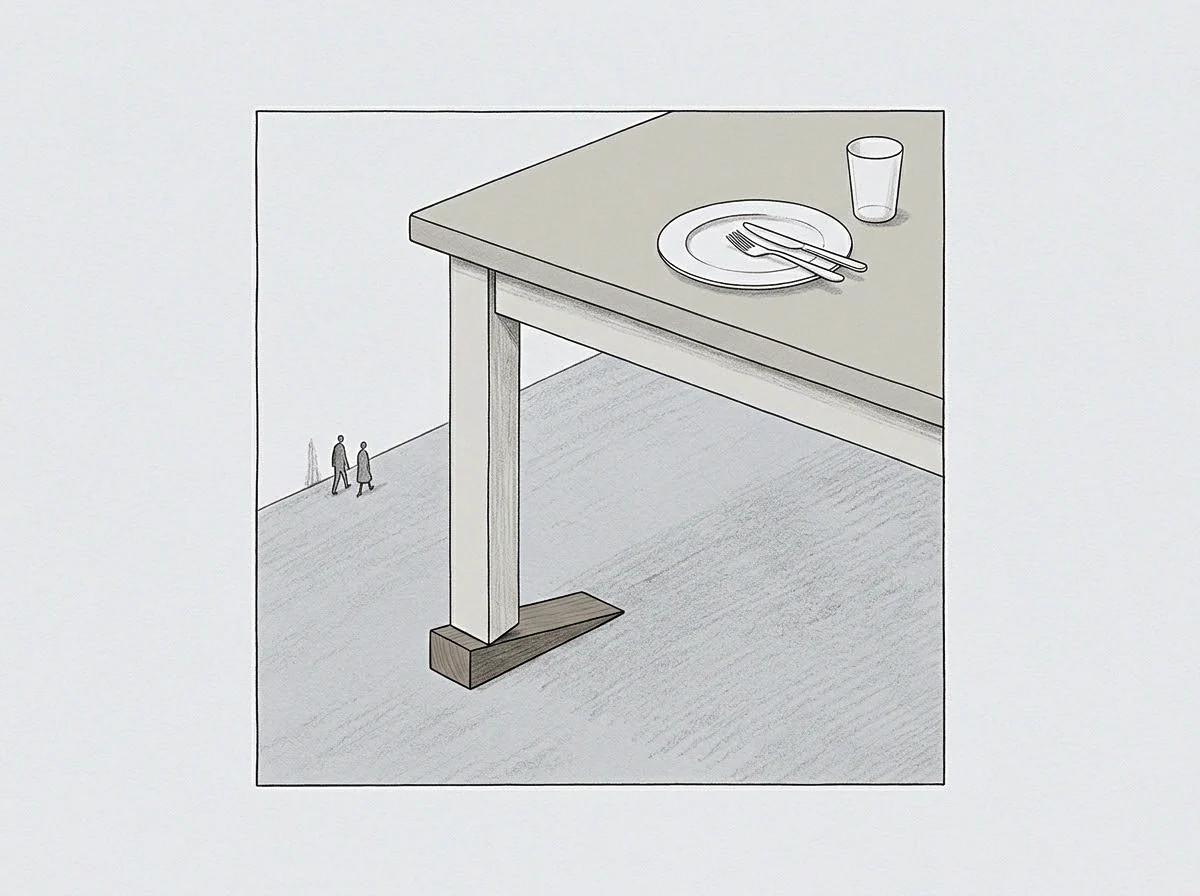
Physical co-regulation remains the primary lever for lowering autonomic load. Sharing physical space allows people to synchronize breathing and heart rate variability without conscious direction. Under social baseline theory, the human brain considers proximity to trusted companions the default, low-expenditure baseline.
Resetting regulation after years of solitary command requires environments where safety is anchored by the presence of reliable peers.
Social Baseline Dynamics and Environmental Safety
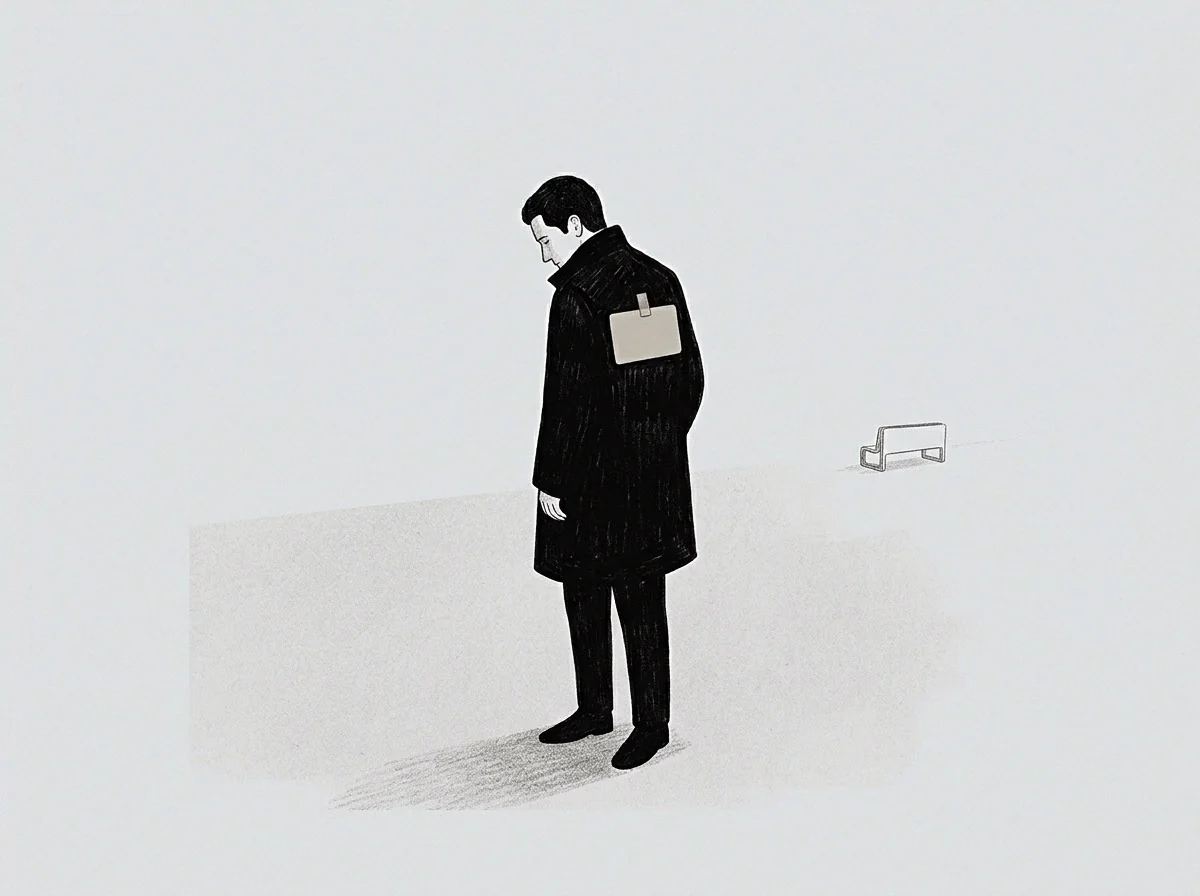
Nervous systems read physical presence far faster than spoken reassurance. In a low-threat room with steady companions, prefrontal inhibition eases, the vagal brake re-engages, and sympathetic tone drops. Parasympathetic activity takes over, supporting digestion and cellular repair.
None of this can be forced through willpower or intellectual reframing.
Moving from solitary carry to co-regulated safety takes predictable, repeated exposure. Proximity has to come without operational demands: if being around someone else carries social friction or performance expectations, the nervous system registers that presence as another source of load. The baseline resets only when shared space remains entirely clear of operational strain.
The evening silence following three years of solitary decision-making registers not as rest but as an active monitoring state.
Sequential Phase Transitions in Co-Regulation
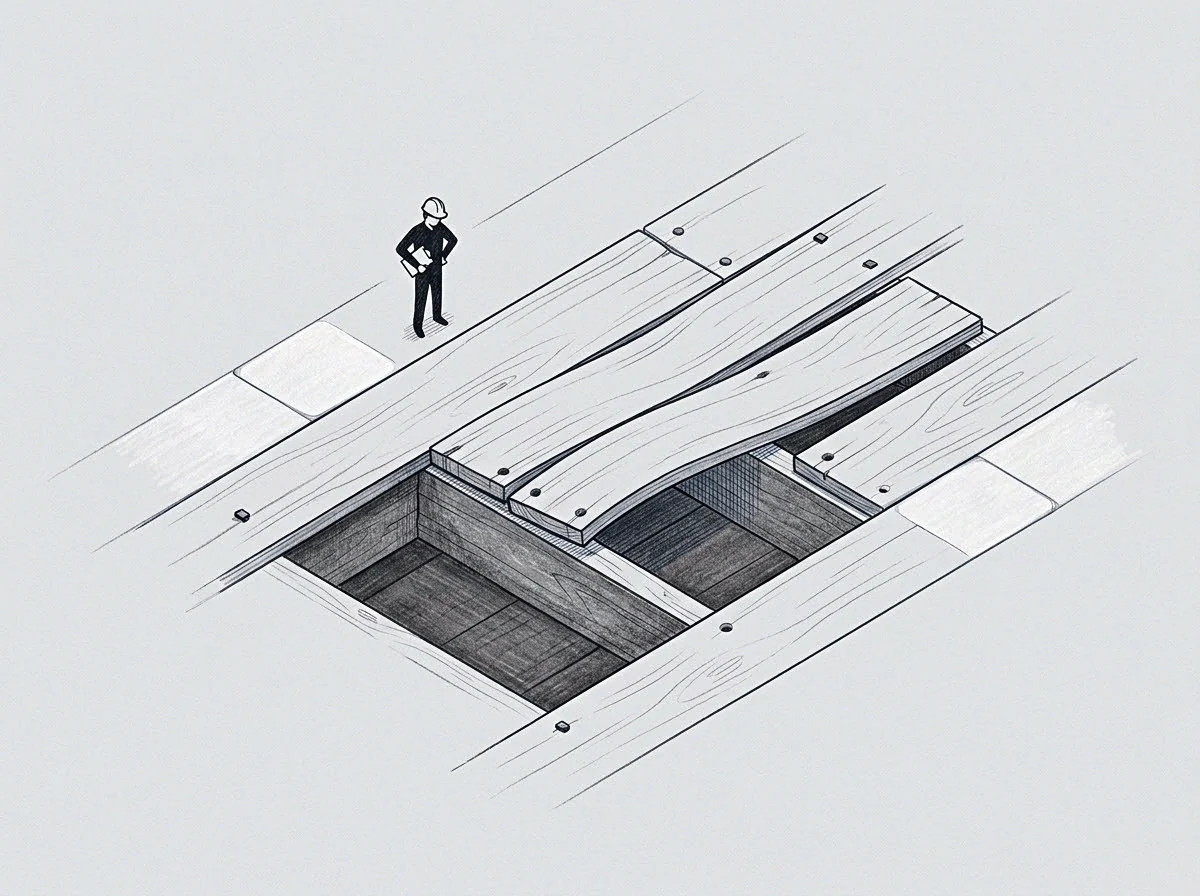
Restoring an autonomic baseline follows an observable progression. The nervous system moves through distinct phases as it relinquishes constant vigilance.
- Environmental de-escalation cuts out immediate operational alerts, marking off a physical space where rapid response is not demanded.
- Passive physical proximity brings an overloaded operator near a calm peer without requiring conversation or performance.
- Vagal brake restoration recovers parasympathetic control over cardiac pacing, lowering the resting heart rate and widening variability.
- Receptor slot formation builds the neural wiring needed to take in steadying support during critical events.
- Earned security consolidation anchors the updated working model, enabling the leader to share substantive risk without triggering autonomic panic.
Setting a firm limit redirects incoming demands. When an operator draws an unambiguous operational boundary, the nervous system gets its first real signal that vigilance can ease. The boundary functions like a dam, keeping incoming demands from drowning what little capacity remains.

Recalibration
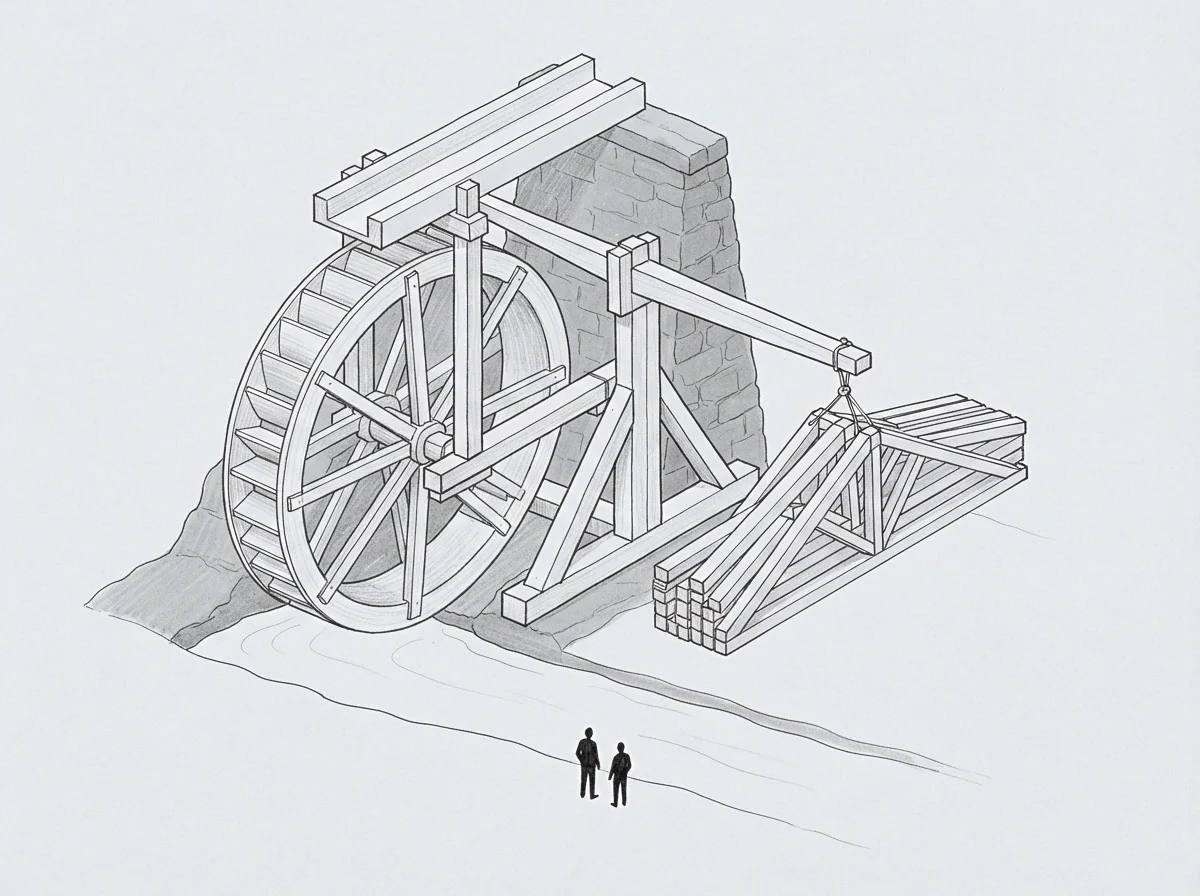
Updating an ingrained regulatory template requires direct physical experience over extended horizons. Knowing the theory behind autonomic strain does nothing to alter neural threat budgets on its own; an operator can grasp social baseline mechanics completely while remaining locked in sympathetic drive. The internal model shifts only when concrete experiences repeatedly contradict the expectation of being left alone under pressure.
Updating Internal Working Models Through Physical Experience
Earned security describes building a reliable internal model in adulthood after long stretches of isolated or unstable responsibility. It develops through repeated contact with a steady partner during critical moments. In an operational setting, this happens when substantial enterprise risk is held alongside someone who stays present and functional throughout the event, proving to the nervous system that high-stakes threats can be handled without solitary execution.
Physical experience steadily outweighs intellectual understanding. As shared exposures accumulate over months, the subcortical threat architecture resets. Amygdala reactivity cools, prefrontal glucose demands return to standard levels, and the operator becomes able to share real operational risk without triggering panic or collapsing back into compulsive self-reliance.

Earned Security Across Long Time Horizons
Rebuilding autonomic capacity after years of solitary work requires patience. Resetting baseline neural settings takes months of consistent co-regulation, lower concurrency, and rigid operational limits. The nervous system tests the surrounding environment repeatedly before stepping down its defenses.
Brief regressions into hyper-vigilance during acute stress are predictable parts of that adjustment, not signs of structural failure.
The difference between operating from solitary strain and operating from earned security shows up over time in decision quality, stability, and organizational trust. A secure operator maintains explicit boundaries, transfers genuine authority, and relies on co-regulation to absorb systemic shocks, turning autonomic steadiness into an asset rather than an ongoing metabolic drain.
Sustained physical co-regulation restores autonomic reserves over time, allowing high-stakes execution to continue without demanding systemic exhaustion.