Meaning
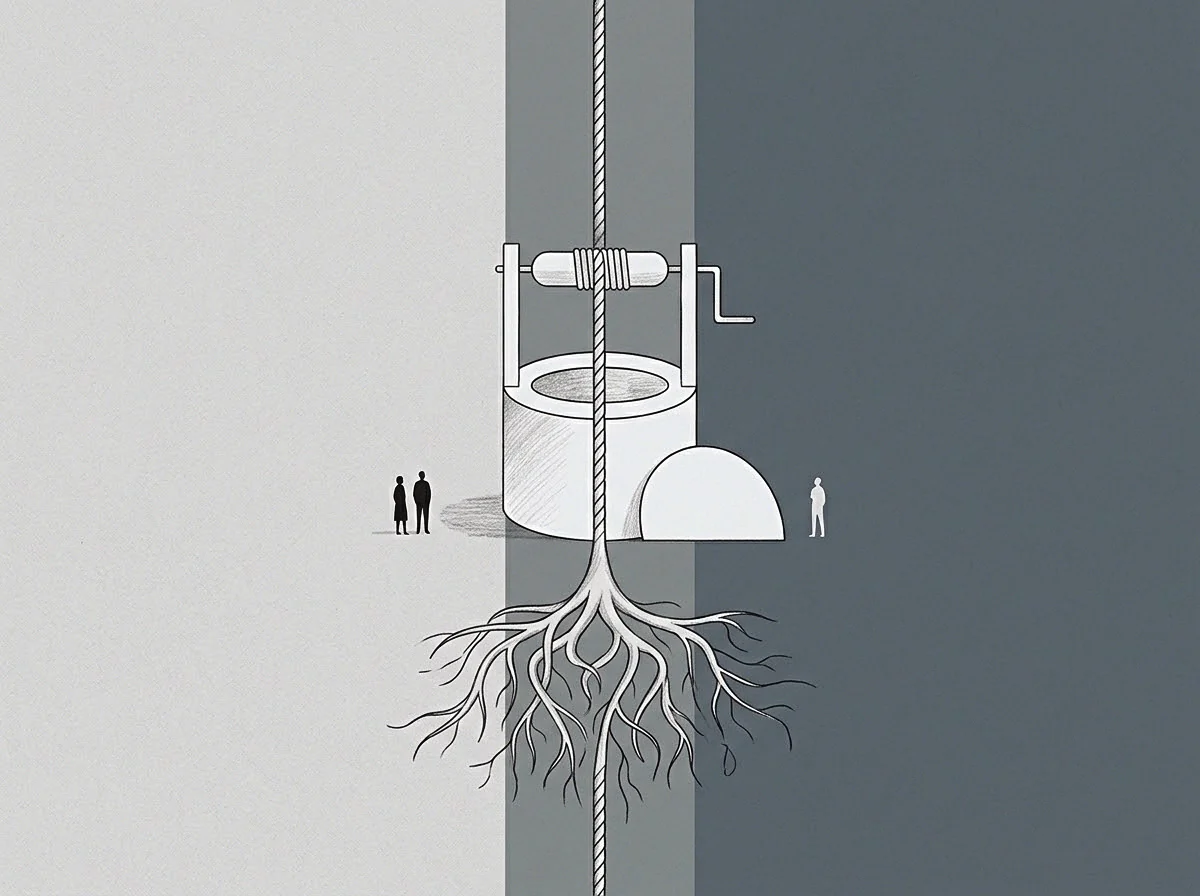
Sensory information originating in the body that communicates the current state of physical and psychological well-being. Somatic feedback includes sensations like a tight chest, a knot in the stomach, muscle tension and rapid breath that occur in response to environmental demands. These signals provide a direct path for the body to alert the mind to the presence of stress.
This information is critical for the regulation of workload and the prevention of exhaustion.
Physiological Input
Quality of biological data depends on the person’s ability to remain present. In high-demand roles, individuals often ignore somatic feedback in favor of meeting external goals. This suppression of physical signs allows for short-term performance but increases the risk of a sudden health crisis.
Accurate sensing requires regular pauses in activity.
Biological Alarm
Physical symptoms act as a warning system for the nervous system. When the load becomes too high, somatic feedback intensifies to force a change in behavior. These alarms might include tension headaches or digestive disruptions that cannot be easily ignored.
The presence of these symptoms indicates that the body’s regulatory capacity is being tested.
Regulation Point
Thresholds for intervention are determined by the severity of the body’s response. Effective management involves responding to somatic feedback before the symptoms become debilitating. By adjusting the work environment or the pace of action, the person can lower their physical arousal.
This proactive adjustment preserves long-term capacity and health.