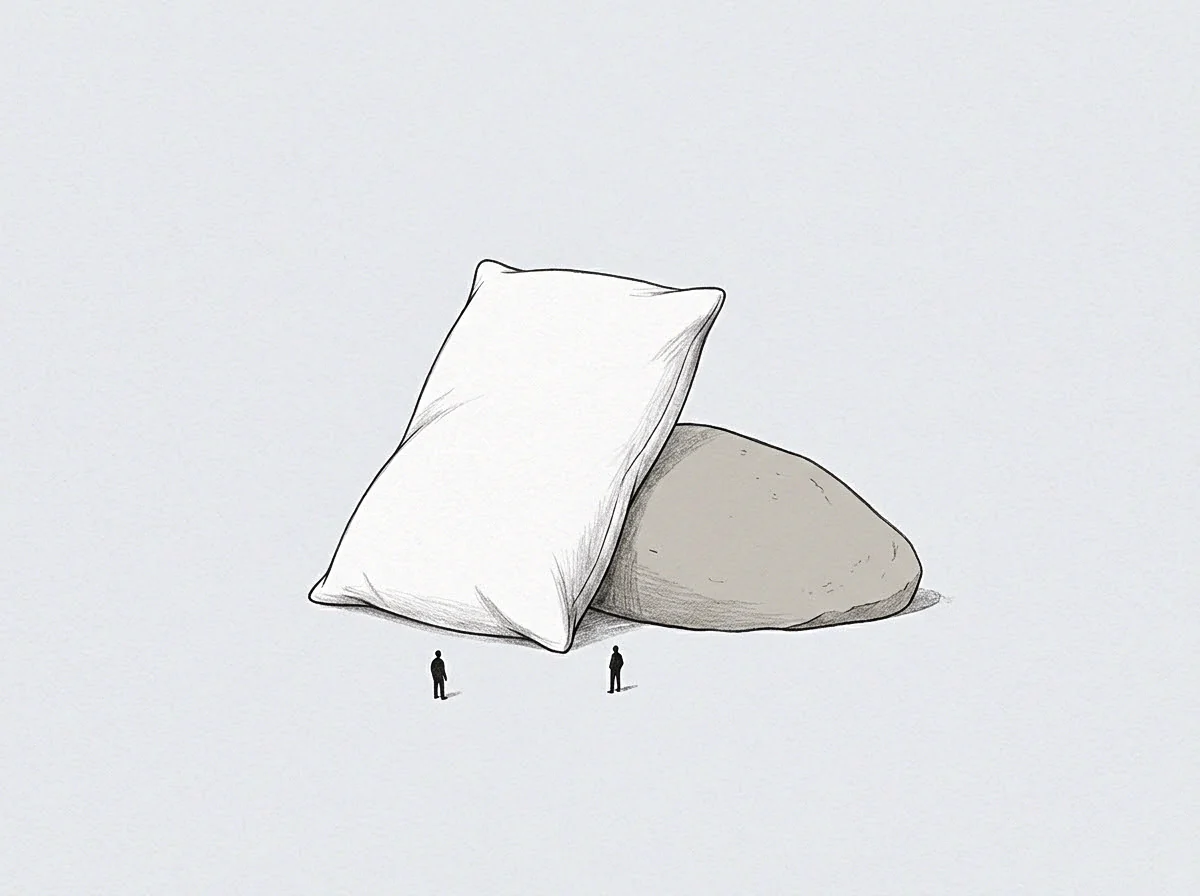
Meaning
The physiological clearance between everyday operational strain and the autonomic threshold that precipitates acute stress activation or cognitive degradation. Acting as a biological buffer, somatic headroom allows an individual to absorb unanticipated organizational friction without forfeiting emotional stability or analytical clarity. The metric measures remaining autonomic elasticity and metabolic capacity.
It ceases to exist when sustained chronic load permanently exhausts baseline physiological reserves.
Autonomic Reserve
Baseline parasympathetic tone provides an absorptive cushion against daily environmental disruptions. An individual possessing ample somatic headroom tolerates sudden institutional crises with minimal sympathetic spikes, preserving prefrontal executive control during high-stakes negotiations. Homeostasis returns swiftly after friction passes.
The physical body absorbs tactical stress without lingering neuroendocrine residue.
Depletion Sequence
Progressive daily demands erode biological tolerance when rest cycles fail to match total energy expenditure. As somatic headroom narrows, even trivial administrative setbacks induce disproportionate sympathetic reactions, appearing as sudden irritability or cognitive fatigue. The operator loses regulatory margin.
Minor interpersonal conflicts trigger intense defensive reflexes, impairing relational leadership and decision consistency. Continued consumption of physical buffers without replenishment steadily degrades neurovascular health. The founder burns through reserve vitality simply maintaining ordinary baseline duties, leaving zero capacity for unforeseen strategic emergencies.
Margin Collapse
Exhaustion of physiological reserve triggers involuntary biological shutdown protocols to prevent irreversible systemic failure. Once an operator eliminates all somatic headroom, the autonomic nervous system enforces sudden incapacity through acute panic or physical illness.