
Closing The Gap Between Knowledge And Somatic Regulation
Intellectual understanding fails to soothe autonomic threat because subcortical regulation requires repeated relational safety signals rather than cognitive insight.
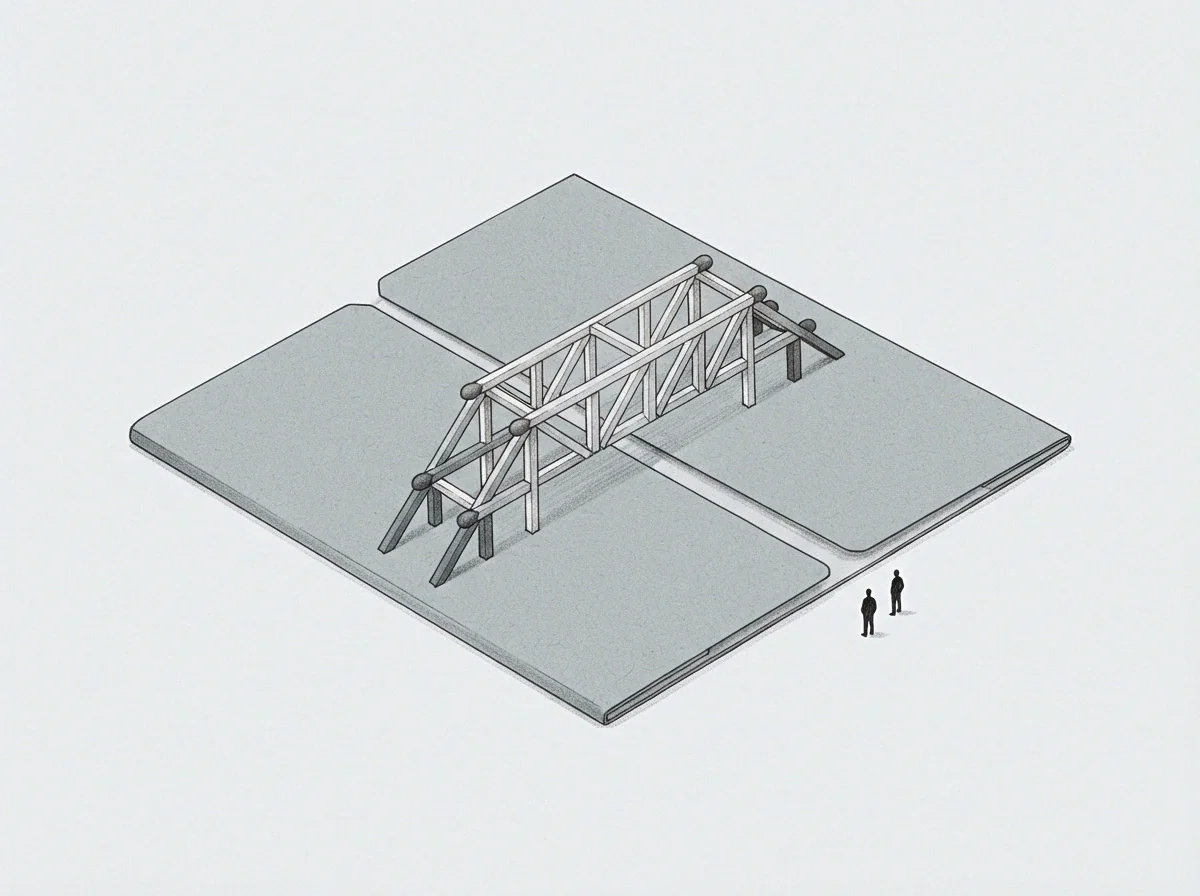
Seat
A founder sits at a desk at midnight, looking over clean operational dashboards while interoceptive signals register acute threat. Muscle tension stays locked in the jaw, breathing remains shallow, and heart rate variability stays suppressed despite clear cognitive certainty that no immediate physical danger exists. Intellectual comprehension of nervous system mechanics leaves the physical body unaffected, as subcortical circuits operate independently of rational deduction.
The brain continues running a high-arousal threat script, expending metabolic energy on vigilance while conscious thought insists conditions are stable. The gap between intellectual literacy and somatic quiet persists because conceptual understanding does not produce the neural safety signal required to alter threat predictions.
Intellectual mastery of stress physiology leaves the physical nervous system entirely unsoothed.
Cognitive processing occurs primarily in the prefrontal cortex, whereas autonomic arousal is governed by subcortical structures, including the amygdala and brainstem. These lower structures evaluate visceral inputs, environmental cues, and relational proximity rather than logical arguments. When an operator studies nervous system regulation, the acquired concepts sit as declarative knowledge.
That information allows someone to describe a physiological mechanism without altering the neuroception of threat driving sympathetic activation, leaving defensive posturing intact below the threshold of conscious control.
This decoupling creates a specific operational hazard for individuals managing organizations or complex projects. The ability to analyze physiological states often creates an illusion of control. An operator explains an elevated heart rate, categorizes anxiety as a sympathetic spike, and continues working under the assumption that naming the state neutralizes its cost.
Yet the autonomic nervous system continues to draw upon metabolic reserves regardless of intellectual clarity, accumulating physical strain beneath an articulate narrative until physiological exhaustion sets in.
A steady demeanor under pressure is often taken as proof that the workload produces no physical strain.
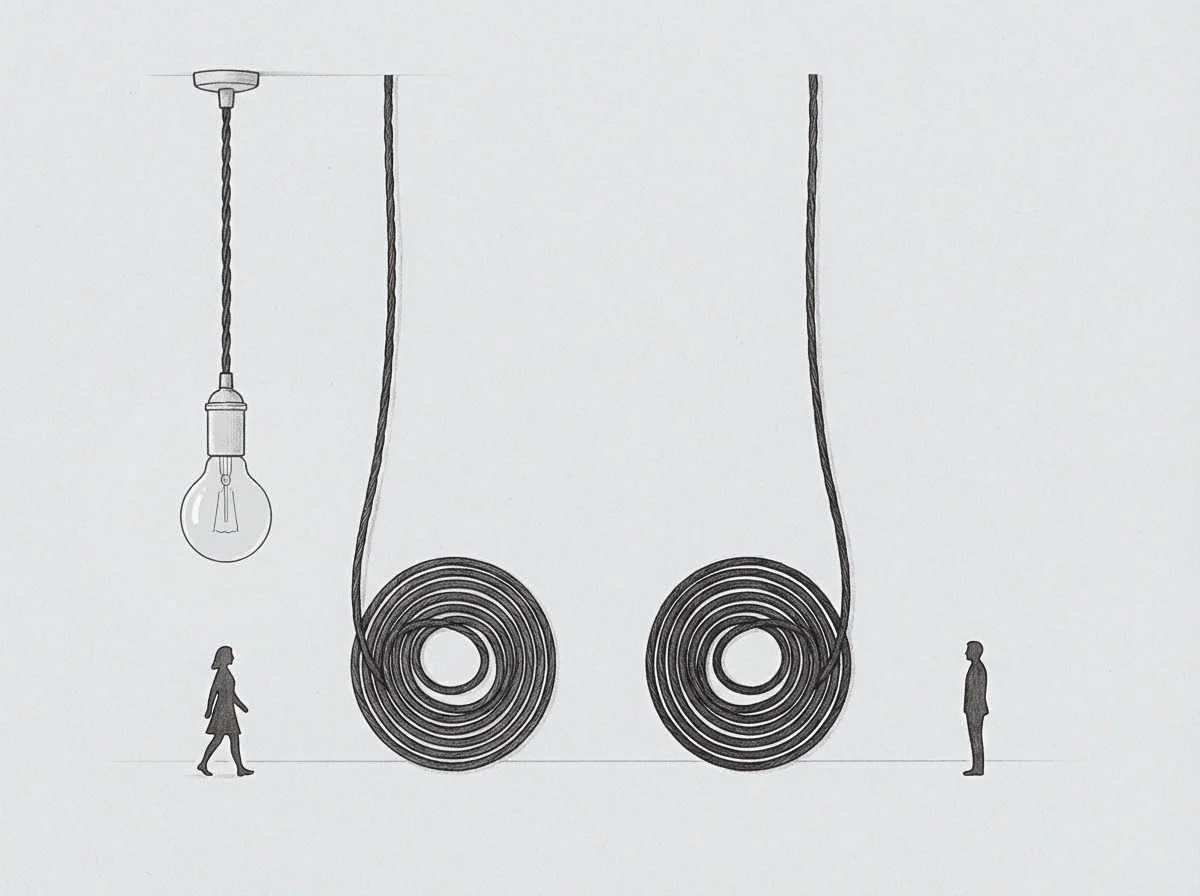
Budget
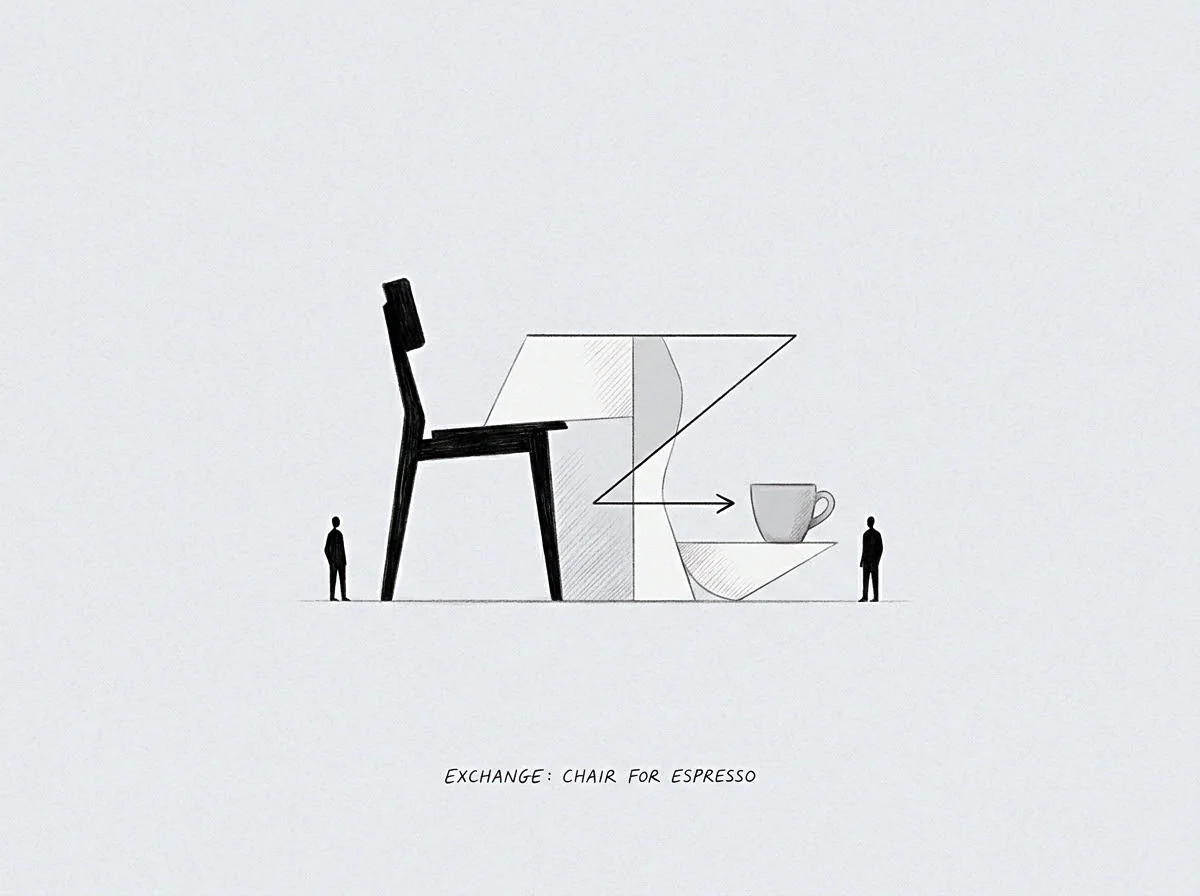
Why Does Intellectual Understanding Fail to Lower Allostatic Load?
Social baseline theory positions the human autonomic nervous system as an open economy designed to distribute metabolic burden. When a reliable baseline partner is relationally or physically present, the brain budgets less energetic expenditure for environmental vigilance. Solitary regulation forces the nervous system to price every operational risk at maximum metabolic cost, inflating allostatic load.
Cognitive awareness of a risk does not satisfy the baseline requirement for co-regulatory proximity, and the brain registers isolation during high demand as a direct metabolic deficit.
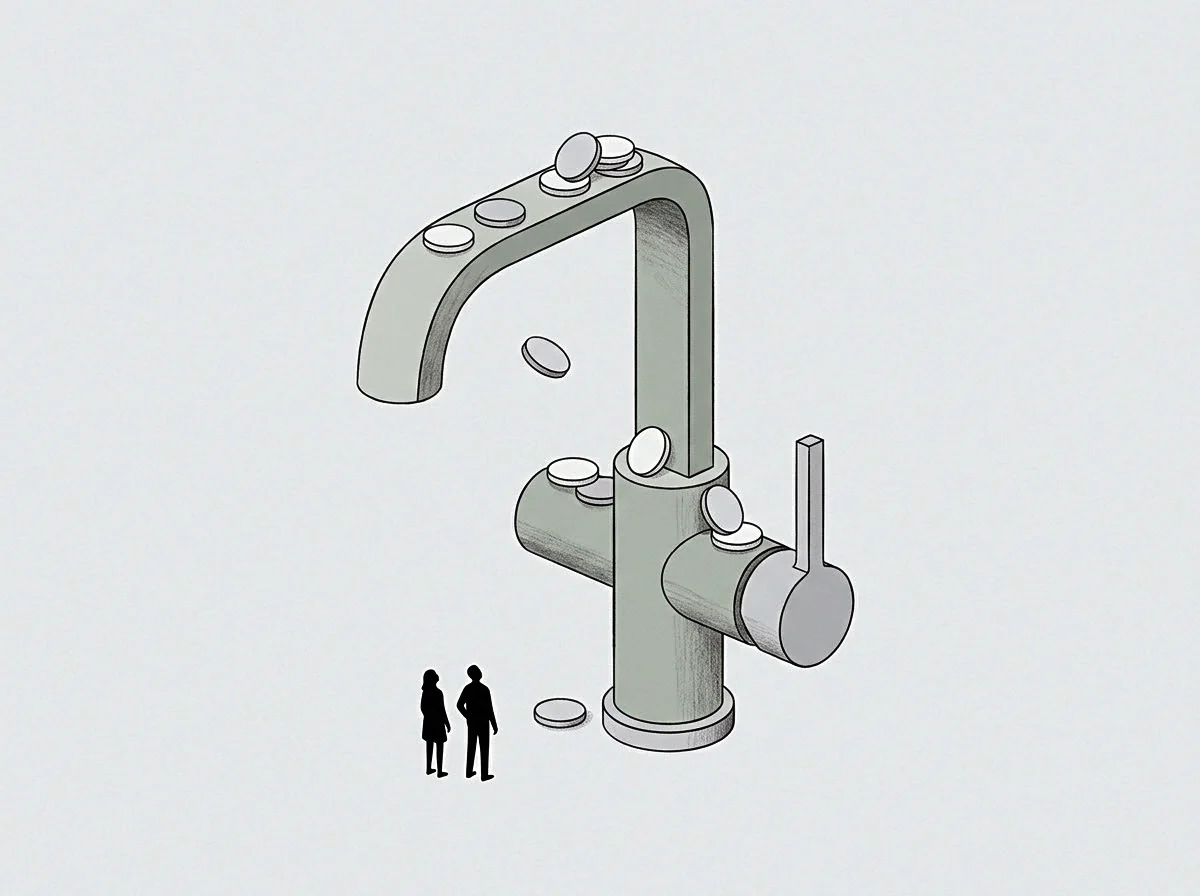
Metabolic Economics of Autonomic State Regulation
The brain operates under an energy distribution model that budgets resource availability against social baseline cues. Solitary self-regulation demands substantial energetic resources from the human organism. Without a steady, trusted counterpart, the central nervous system maintains an elevated baseline alertness, scanning for threat and managing internal physiological balance entirely on its own.
Intellectual grasp of this dynamic does not adjust the metabolic equation, which requires concrete relational signals to shift spending from threat management to baseline maintenance.
| Regulation Mode | Autonomic Profile | Metabolic Expense | Relational Impact |
|---|---|---|---|
| Solitary Self-Regulation | Elevated sympathetic baseline, suppressed vagal brake | Maximum energetic consumption per operational unit | Transfers unmanaged tension into structural blindspots |
| Borrowed Regulation | Asymmetrical calm derived from secondary person | Moderate energetic expenditure for the borrowing party | Loads the primary regulator with unreciprocated stability demands |
| Mutual Co-Regulation | High vagal tone, rapid recovery post-stressor | Minimum energetic baseline requirement | Distributes operational threat response across shared capacity |
Solitary nervous systems price threat at maximum metabolic expense.
An operator working without shared regulation consumes cellular energy at an unsustainable rate. When cognitive effort is repeatedly deployed to override physical symptoms of strain, the central nervous system burns metabolic fuel that would otherwise support tissue repair, immune function, and cognitive flexibility. Prolonged elevation of stress hormones damages vascular structures and impairs hippocampal synaptic plasticity.
Understanding these physiological pathways offers no metabolic relief unless the underlying regulatory mode shifts from solitary effort to relational baseline sharing.
The presence of a verified responsive other alters neural threat encoding, lowering total baseline expenditure before conscious assessment begins.

Receptor
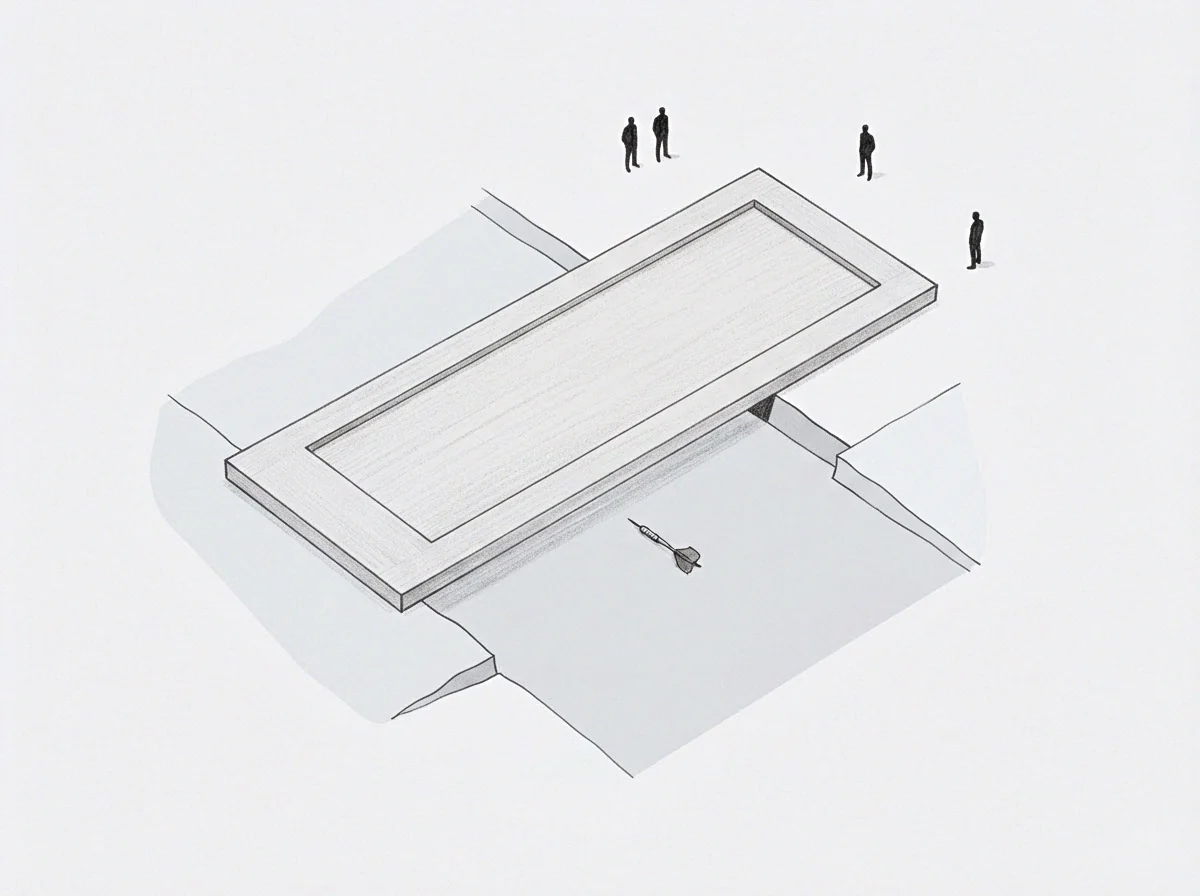
Structural Dynamics of the Missing Receptor
An individual who learned early to stabilize surrounding people while maintaining outward composure develops an internal working model organized around outbound stability. Such operators lack a receptor slot for receiving co-regulation from external sources. When an offer of support arrives, the autonomic nervous system treats it as an anomaly or an incoming demand, registering unspoken pressure because the internal template contains clear instructions for broadcasting calm and no infrastructure for taking it in.
- Receptor slot atrophy occurs when an operator habitually absorbs surrounding tension without ever permitting external regulation to enter their own state.
- Attaching to a state leads team members and partners to anchor their calm against the steady operator, compounding the operator’s baseline burden.
- Unreciprocated baseline provision drains reserve capacity while masking actual physiological exhaustion from observers.
This structural imbalance creates a compounding feedback loop across operational environments. Because the operator displays unwavering steadiness under pressure, colleagues, investors, and family members lean on that presence for stability. The steady individual becomes an informal regulator for the broader system.
Others anchor to the calm rather than contributing to it, subjecting the operator to continuous regulatory demands without any reciprocal input and accelerating internal autonomic drain.
A regulator proven under high load continuously attracts additional external strain.
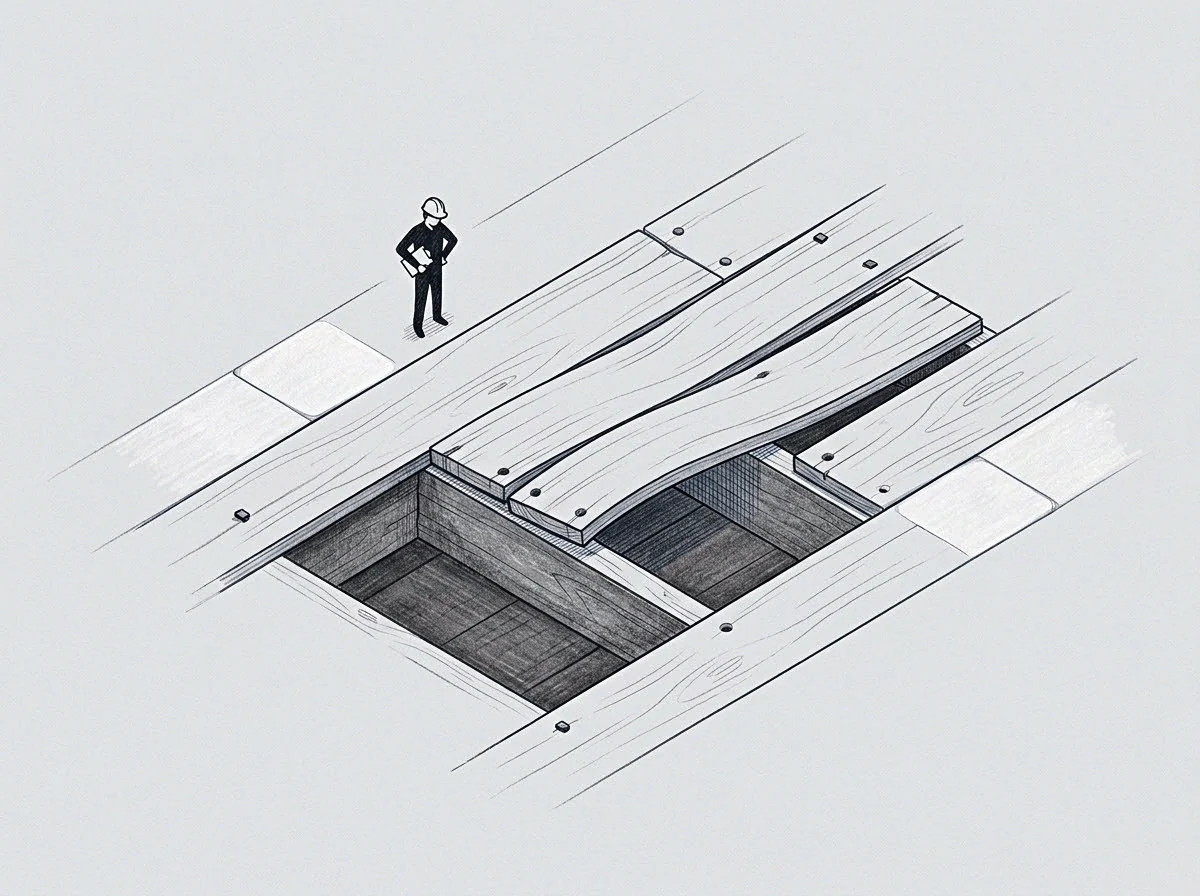
Over time, the absence of an active receptor slot leaves the primary regulator in somatic isolation. Even when partners or advisors attempt to offer comfort or lighten the load, the regulator’s nervous system rejects the input. The gesture is perceived as an additional task requiring management or evaluation, converting a potential resource into further overhead until physical capacity is exhausted.
Operating without a functional receptor slot guarantees that somatic reserves deplete long before cognitive resolve breaks.
Experience
Updating Autonomic Templates Through Relational Practice
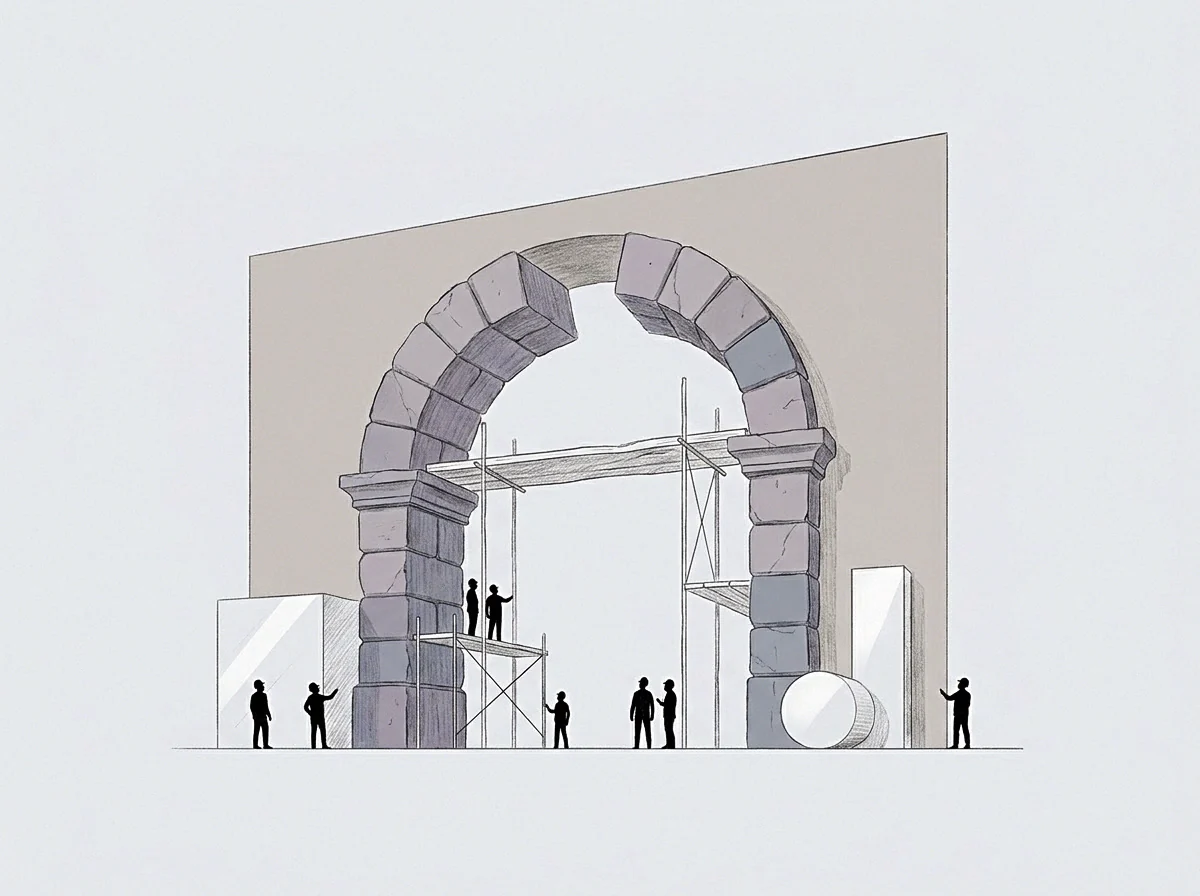
Earned security serves as an update path that operates independently of intellectual analysis, requiring repeated sensory evidence of safety in proximity to another regulated nervous system. While cognitive insight maps the active template, repeated relational experience rewrites it. The central nervous system adjusts its predictive models only when real-world interactions contradict established somatic expectations over extended periods.
Consider an operator who spent four years managing corporate crises in isolation. If that operator receives weekly offers of structured operational support from a steady co-founder, intellectual acceptance across six months will not alter heart rate variability during acute crises. However, repeated shared execution where the co-founder maintains composure yields a measurable reduction in baseline autonomic arousal.
The brain gradually updates its baseline assumptions as shared load distribution proves both viable and somatically safe.
- Initial cognitive acknowledgment of an available supportive presence occurs without immediate somatic shifts.
- Repeated exposure to non-judgmental presence during active stress triggers micro-adjustments in vagal tone.
- The nervous system opens a functional receptor slot as external calm consistently proves reliable.
- Autonomic baseline resets to lower energetic expenditure, consolidating earned security over time.
Cognitive insight names an active template, while repeated relational experience replaces it.
Autonomic recovery requires time, as the shift from a solitary regulatory template to an updated relational baseline cannot be forced through cognitive effort alone. Threat-detection circuits need steady, predictable repetition to build new synaptic pathways and down-regulate hyper-vigilant responses. Every instance of shared calm under actual operational pressure serves as an incremental update, gradually building the missing receptor slot through direct experience.
How many cycles of shared somatic quiet must occur before a hyper-vigilant baseline permanently drops its defensive posture remains unresolved by current longitudinal measurement.

Gate
Setting Operational Boundaries around Availability
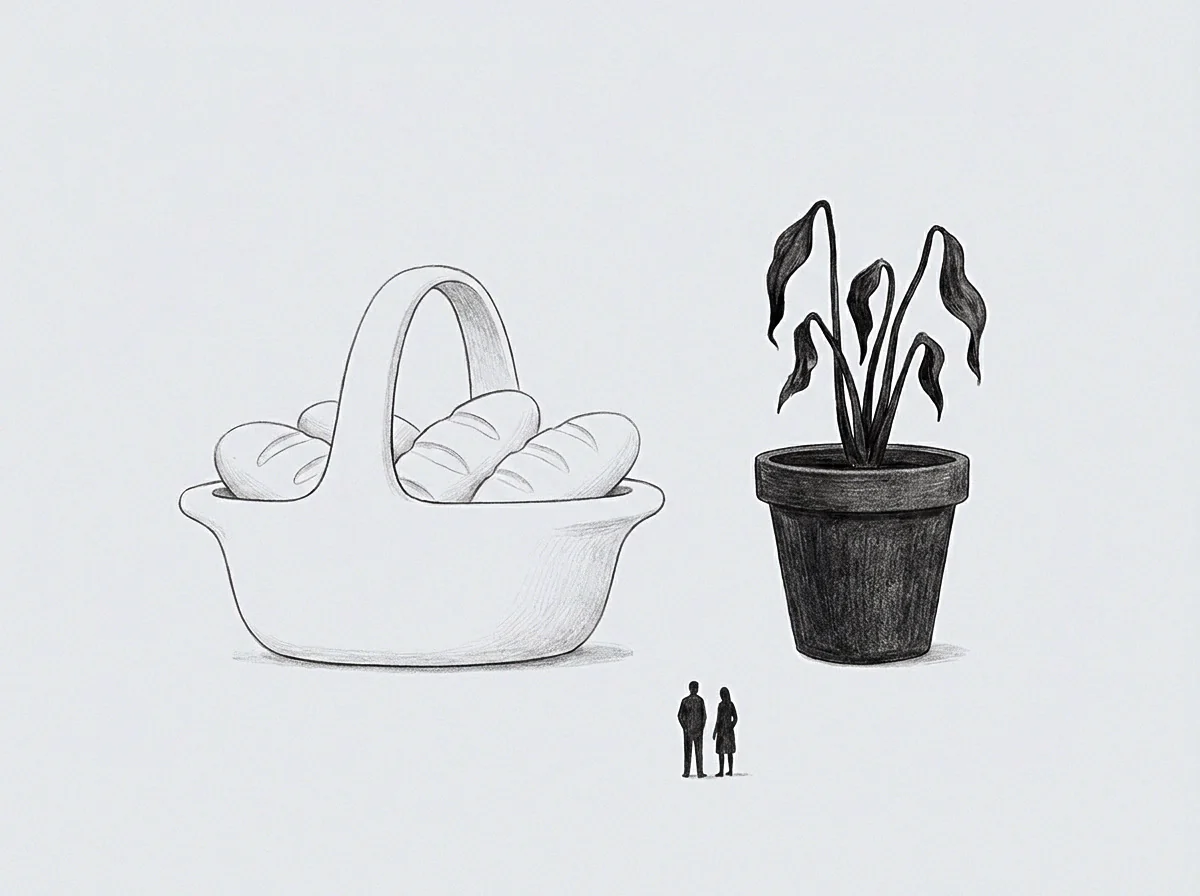
Closing the gap between understanding and somatic quiet requires physical limits on availability to protect baseline reserves. The nervous system cannot recalibrate while continuously fielding incoming demands. A stated limit acts as the primary barrier against load transfer, requiring the operator to step back from continuous outward regulation.
Establishing clear boundaries around access creates the operational space needed for subcortical circuits to disarm.
Consolidating the Somatic Update
Lowering allostatic load requires periods of operational silence where the brain registers that safety persists without constant vigilance. Over time, the gap between intellectual clarity and physical calm narrows, aligning somatic state with conscious understanding. When structural boundaries protect the operator from unchecked demand, the nervous system stops treating every quiet period as a prelude to an emergency, allowing physical relaxation to shift from an occasional break into an accessible baseline.
The reduction in physiological strain becomes visible when high-demand tasks no longer trigger immediate muscular bracing or shallow breathing. Steady baseline functioning consolidates as the physical body recognizes that protection rests on real structural parameters rather than continuous internal tension.