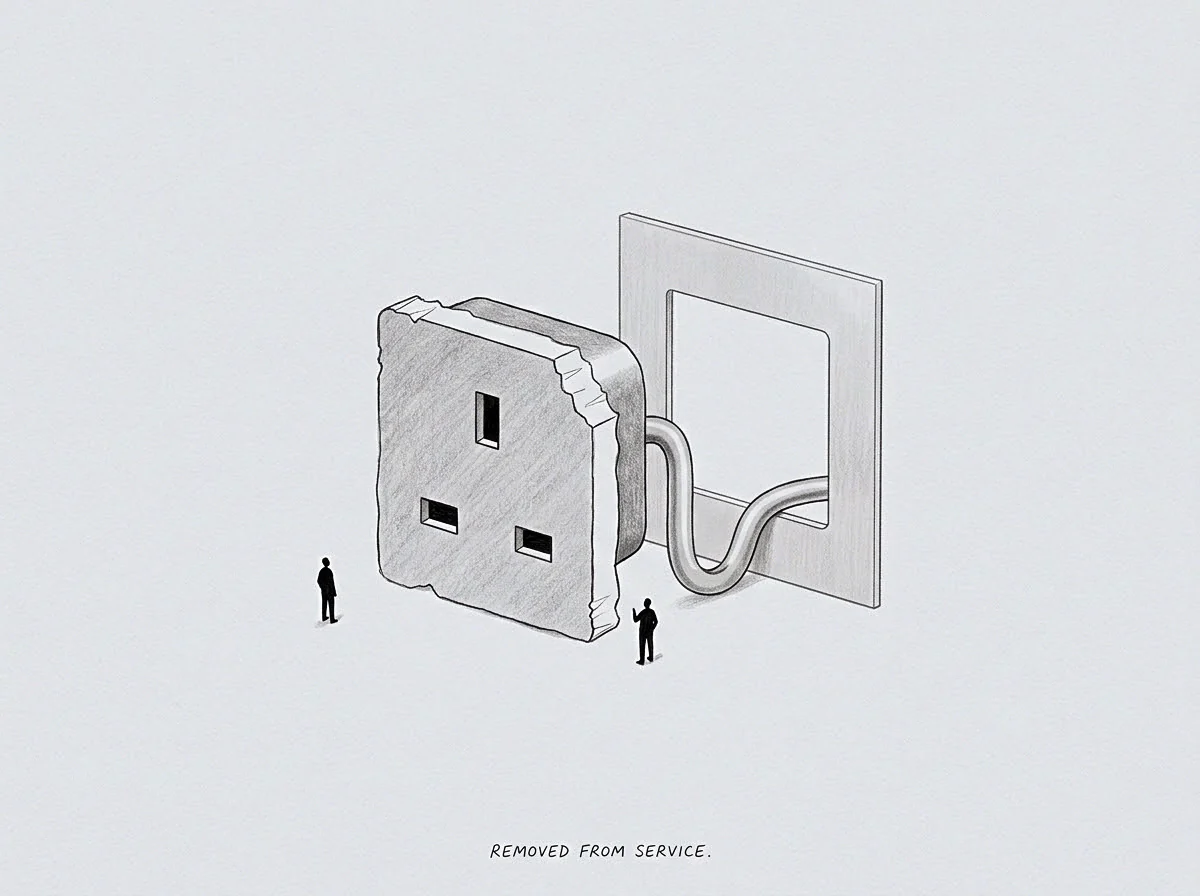
Meaning
Centralized knowledge management platforms document the strategic history, relationships, and operational heuristics of an organization. An effective state repository captures the implicit knowledge of the founder before their departure. This documentation allows successors to access historical context and decision-making logic without needing direct communication with the predecessor.
Transfer Protocol
Structuring of data must occur before the founder’s departure to ensure completeness and accuracy. In the state repository, critical contacts, contract histories, and operational processes are systematically recorded. This organization of information reduces the need for post-exit consultation and limits the cognitive load on both the founder and the transition team.
Cognitive Relief
Substantial mental relief is experienced by the departing founder once their operational knowledge is securely stored. No longer forced to act as the sole source of institutional memory, the individual can disengage more fully through the state repository. This transfer of mental data reduces allostatic load and allows the founder to refocus their attention on future projects.
By externalizing years of operational detail, the founder creates a psychological boundary that makes their departure feel complete and irreversible.
Accessibility Limit
Success depends on the incoming team’s willingness to use the documentation rather than contacting the founder directly. If the state repository is poorly structured or ignored, the transition will suffer from constant interruptions. A disciplined approach to utilizing these resources is necessary to maintain the integrity of the exit boundary.