
How State Gated Concurrency Limits Protect Early Stage Operator Headroom
State-gated concurrency limits block incoming operational threads at defined physiological capacity thresholds to preserve cognitive headroom.

Post
Four communication streams flash simultaneously on a workstation at midnight while the operator reviews a terminal balance sheet. Inbound threads accumulate quickly. A cofounder demands product revisions, a vendor queries an overdue wire, an engineering contractor flags an architecture roadblock, and a seed investor requests weekly updates.
Each message requests an immediate slice of conscious attention. The person at the terminal absorbs every ping as an urgent personal assignment, leaning forward to keep each thread alive. The operational post becomes an open sink for ambient friction.
Early stage ventures operate with minimal structural insulation. The operator acts as the general shock absorber for every variance across commercial, legal, and operational domains. Headroom represents the uncommitted reserve capacity required to process novel exceptions, integrate disparate signals, and maintain baseline physiological stability.
When inbound volume expands without a gating mechanism, operational reserve vanishes. The operator remains seated, typing responses until dawn, absorbing systemic noise directly into somatic tissue.
Operators carrying unthrottled concurrent queues process ambient anxiety long before commercial tasks fail.
Absorbing load without boundary conditions produces acute degradation in judgment. Attention scatters across simultaneous open loops, converting deep analytical focus into shallow triage. The operator mistakes continuous activity for operational control, unaware that the central nervous system has entered an allostatic debt cycle.
The enterprise continues to lean on this single point of absorption, accelerating demands precisely because the post continues to answer.
The counterparty notices that every escalation receives a reply within minutes, concluding that the operator holds unlimited capacity to resolve emergencies on demand.

Queue
Processing concurrent streams requires discrete computational units of working memory. Cognitive reserve depletes silently. Under unmanaged concurrent loading, task switching consumes the metabolic resources needed to evaluate strategic tradeoffs.
The brain functions as a physical engine governed by strict throughput caps, requiring glucose and restorative down-regulation to maintain executive integrity. When the queue exceeds parallel handling capacities, latency spikes and error rates rise across all operational functions.
Systemic load differs fundamentally from subjective fatigue. State acts as the biological transfer function deciding what an external input produces inside the organism, measurable through heart rate variability, sleep architecture, and autonomic tone. Mood registers as noise.
Mood reflects fleeting emotional evaluations carrying negligible diagnostic utility, whereas operating state governs raw capacity. A depleted biological state turns a routine vendor dispute into a severe existential crisis, distorting decision weights and inducing premature concessions.
When metabolic expenditure exceeds recovery capacity, incoming cognitive demands trigger defensive autonomic contractions regardless of conscious intent.
Operational queues degrade through distinct physiological regimes:
- Unrestricted Ingestion occurs when an operator treats every notification as an active interrupt, causing continuous autonomic arousal and eliminating systemic latency buffers.
- Attentional Thrashing develops as the brain switches between unrelated domains every few minutes, burning cognitive substrate on orientation rather than execution.
- Allostatic Saturation establishes chronic baseline elevation of glucocorticoids, blunting pattern recognition and degrading bilateral executive control during complex negotiation.
- Protective Numbing engages involuntary neurobiological shutdown mechanisms, forcing systemic withdrawal and sudden operational paralysis across all active threads.
Research across occupational physiology demonstrates that biological systems under chronic high-concurrency demands experience structural receptor down-regulation, reducing working memory retention by notable margins. This empirical baseline holds across corporate executives and military dispatchers alike, though field conditions in early stage ventures introduce unique variance due to extreme equity exposure. A single operational misstep carries existential liquidation risk, raising the baseline sympathetic drive during every interaction.
The unresolved question remains whether an operator can objectively read their own biological transfer function before cognitive degradation alters the very instrument performing the measurement.
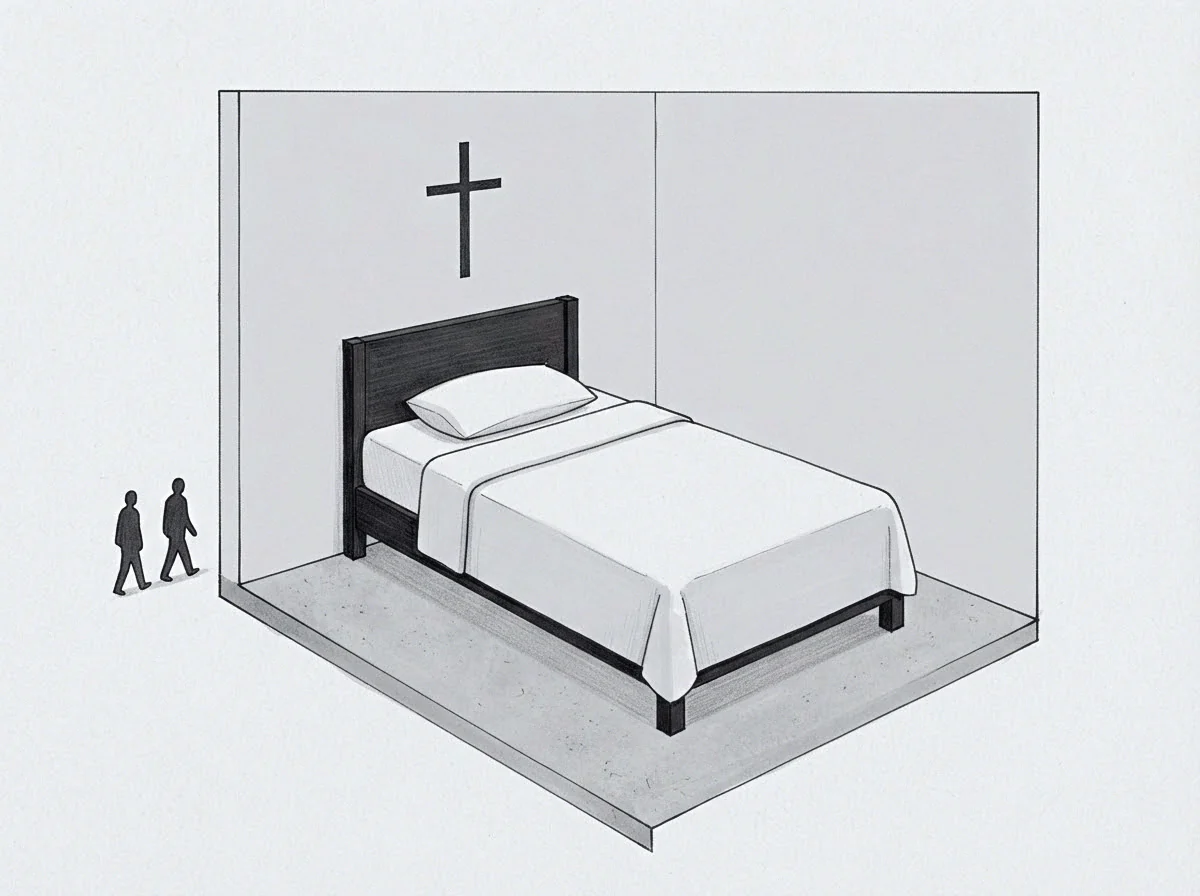
Bound
Structural limits function as external objects rather than personal preferences. A stated term holds firm. When an operator defends capacity through interpersonal negotiation, counterparties interpret the resistance as a momentary mood to overcome through persistence.
Stating an explicit, structural boundary shifts the interaction from an emotional dispute to an encounter with an immovable operating condition. The system tests the obstacle.
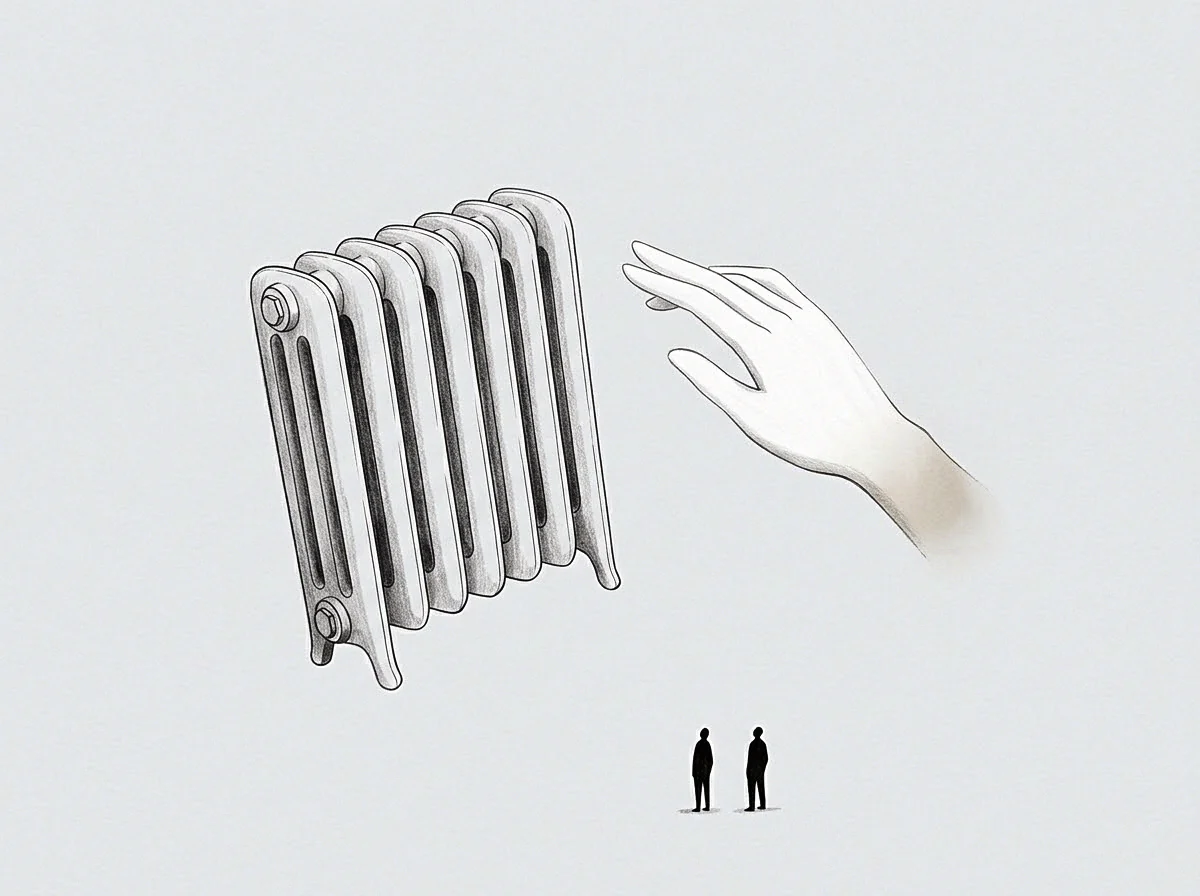
Where Falls the Stated Operational Boundary?
A structural limit operates as an explicit property of the environment. State-gated acts depend strictly on current internal capacity metrics, refusing execution when reserves drop below designated safety floors, irrespective of commercial urgency. In contrast, decision-gated actions rely on continuous conscious willpower, inviting endless internal bargains and social erosion.
Anchoring limits to physiological reality removes subjective guilt from operational pacing.
State determines throughput while willpower merely logs the accumulating deficit.
Enforcing concurrency control requires distinct structural components:
- Hard Channel Separation isolates asynchronous records from synchronous communication tools, removing continuous ping interruptions during focused analytical windows.
- Explicit Latency SLAs establish non-negotiable multi-hour response windows for non-catastrophic operational inquiries, breaking the expectation of instantaneous availability.
- Batch Resolution Windows consolidate vendor reviews and non-critical approvals into rigid daily blocks, restricting context switching to predetermined intervals.
- Cap Threshold Stating declares explicitly to collaborators that active initiatives cannot exceed a cardinal count simultaneously, requiring existing threads to close before new ones open.
Load transfers to the wall. Counterparties pushing an uninsulated founder continually test how far emotional compliance stretches. Encountering an explicit operational term, such as a mandatory twenty-four-hour technical review protocol, redirects systemic energy toward asynchronous documentation and self-resolution.
The boundary protects the founder by forcing the external load to carry its own organizational weight.
A limit stated once as an unyielding structural fact preserves exponentially more operational bandwidth than a hundred polite appeals for breathing room.

Check
Operational stability depends on rigorous concurrency management. Physiological state dictates processing capacity. In early stage administration, unconstrained incoming threads rapidly saturate executive processing, whereas an enforced concurrency cap maintains analytical elasticity under heavy commercial duress.
The difference appears vividly when comparing systems handling acute multi-channel crises.
| Evaluation Vector | Unregulated Concurrency Sink | State Gated Concurrency Wall |
|---|---|---|
| Inbound Thread Absorption | Open ingestion of all inbound requests into active working memory simultaneously. | Strict gating capped at two active high-consequence threads at any single hour. |
| Latency on Core Decisions | Volatile and unpredictable, swinging from instant reaction to complete paralysis. | Deterministic and bounded, maintaining stable response intervals across cycles. |
| Autonomic Recovery Rate | Zero recovery windows during working hours, leading to continuous nocturnal rumination. | Predictable physiological down-regulation intervals scheduled between processing batches. |
| Counterparty Derivation | Counterparties derive total access, escalating minor friction to the operator level. | Counterparties derive high transactional friction, encouraging internal self-triage. |
Consider an early stage venture navigating a parallel product deployment alongside a contentious equity financing revision. The operator receives thirty incoming demands per day across legal, financial, and architectural domains. Under unconstrained concurrency, the operator answers every ping immediately, fragmenting cognitive focus.
Errors accumulate in capitalization calculations, vendor contracts pass without adequate review, and chronic sympathetic activation suppresses restorative sleep. Headroom disappears before output drops.
Under a state-gated regime, the operator holds an explicit policy capping high-consequence concurrent work streams at two active projects. All secondary operational inputs queue in asynchronous repositories until primary milestones clear. The regulator absorbs ambient load only when physiological indices indicate adequate reserve.
When autonomic indices drop below the operating threshold, non-essential outbound lines pause completely, insulating the primary commercial asset from degraded decision-making.
An active concurrency cap transfers conversational sorting costs entirely back to the sender.
A momentary detour into manufacturing assembly operations reveals an identical principle: factory lines lacking work-in-progress limits inevitably experience catastrophic floor blockages when input rates fluctuate. In human cognitive systems, removing throughput governors causes sudden systemic failure across personal health, strategic coherence, and commercial execution.
Failing to establish state-gated concurrency boundaries guarantees the progressive surrender of strategic sovereignty, terminating in acute operational insolvency.
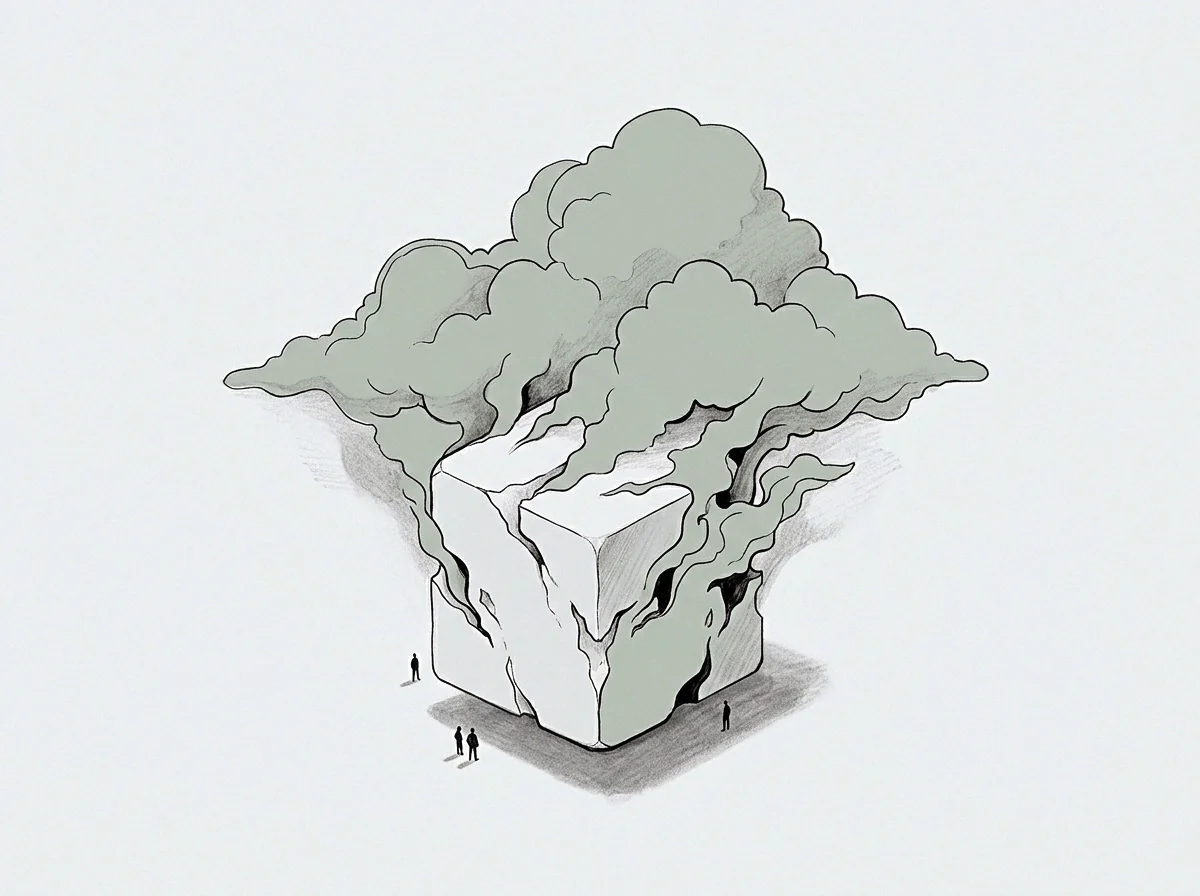
Route
External partners derive true priorities from observed behavior rather than formal mission statements. Unanswered pings settle into positions. When an operator fails to answer a non-urgent message within five minutes, counterparties initially experience frustration, yet quickly recalibrate their models of access.
Availability derived from consistent, silent boundaries teaches collaborators that the operator represents an expensive, high-latency computational asset reserved solely for decisive interventions.
Silence creates structural clarity. Maintaining disciplined latency signals that the operational post is engaged in deep execution rather than reactive firefighting. The channel that does not ping ceases to generate phantom urgency on both ends of the wire.
Conversely, instantaneous responsiveness invites low-grade inquiries, teaching counterparties that offloading mental friction onto the operator carries zero social or commercial cost.
The operator states explicit engagement terms during every counterparty onboarding sequence, establishing that deep architecture blocks run uninterrupted from dawn until midday. This stated condition automatically routes routine administrative queries to asynchronous documentation boards, preserving critical morning executive headroom for structural company building.