
State Gated Task Routing and Execution Boundary Formalization in Scale
State gated task routing restricts execution intake to verified physiological reserves, arresting load transfer through impersonal mechanical boundaries.
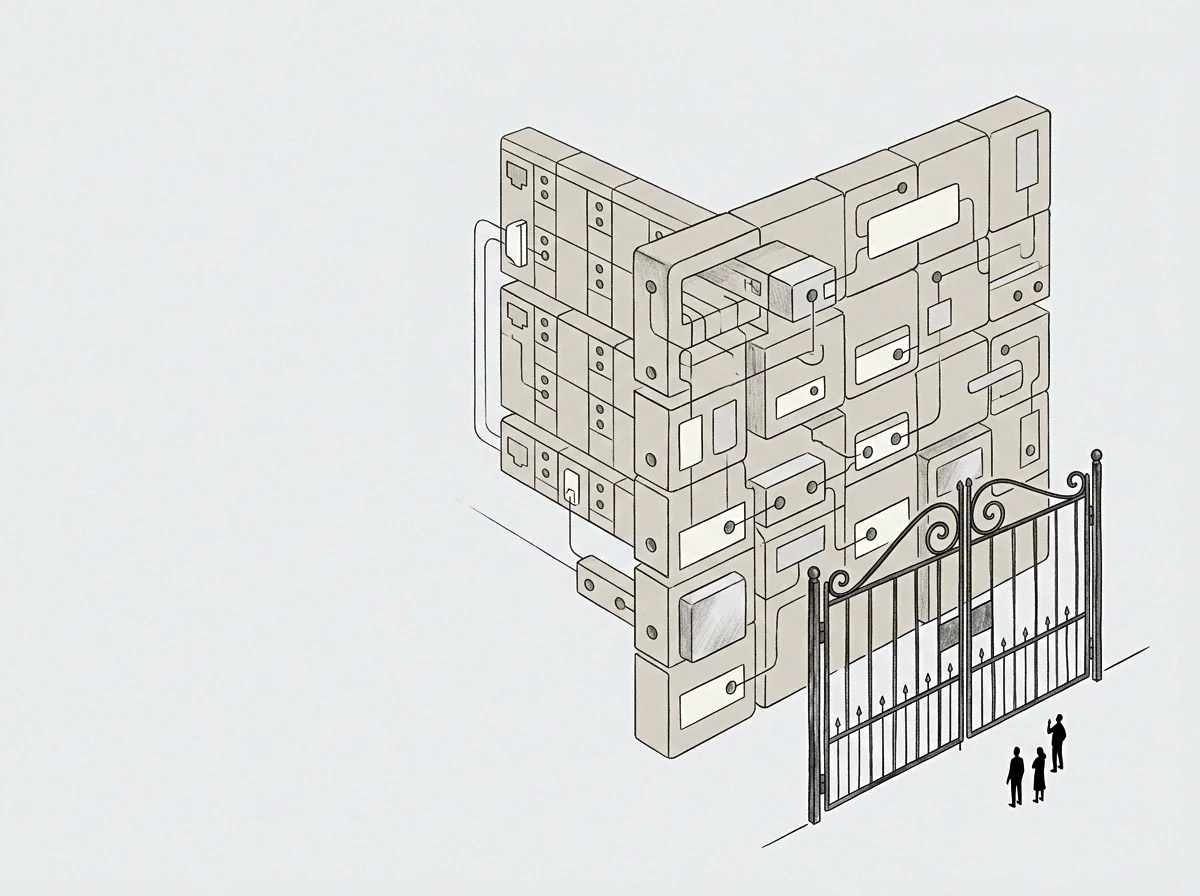
Signal
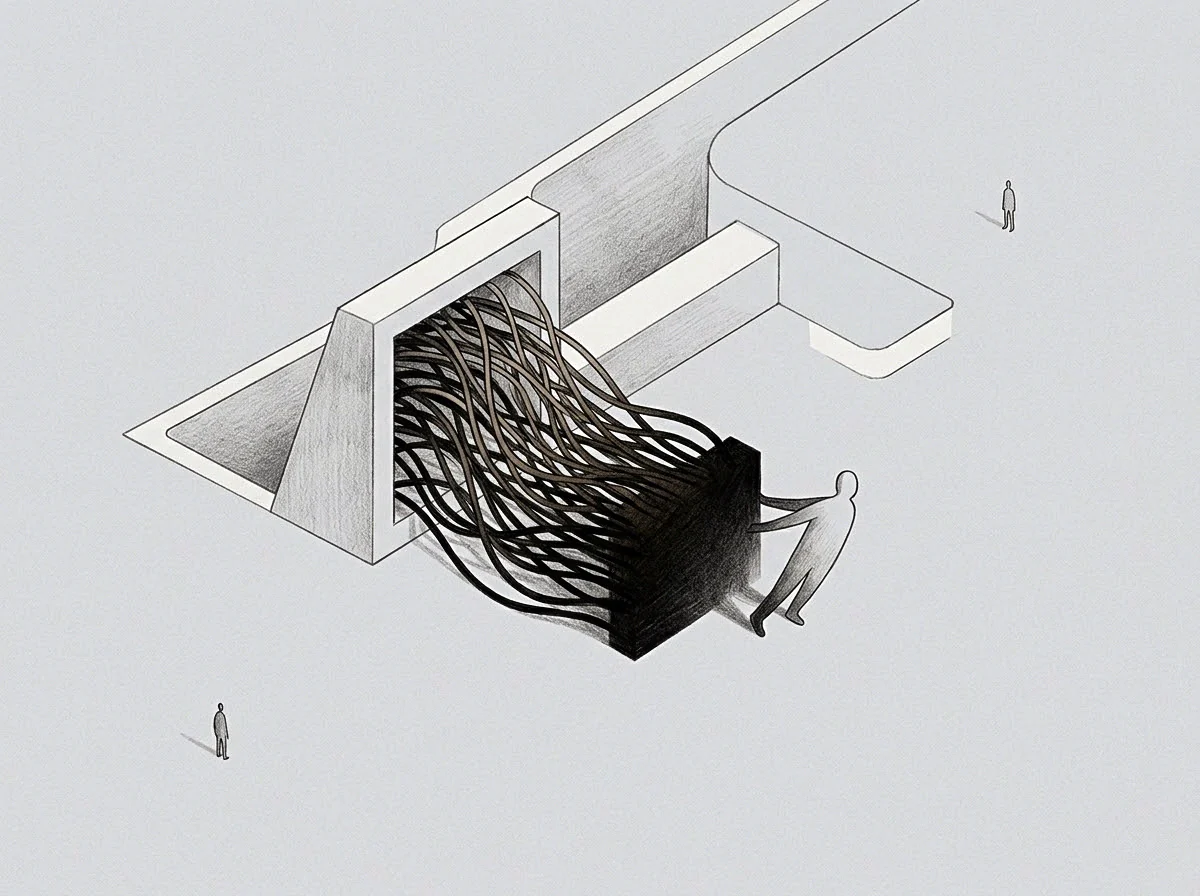
Operational Separation of Will and Capacity
In a growing company, incoming requests outpace processing depth. When an operator accepts assignments based on intent rather than available capacity, the new work creates immediate drag across the system. A founder routinely mistakes immediate willingness for structural readiness, committing to critical evaluations while physical energy remains depleted.
The firm accepts the work because someone agreed to it during a late meeting, and execution quality drops across every active task.
An individual’s operating state determines what an input produces. Mood reflects recent energy expenditure and temporary emotional friction, offering no reliable data on actual throughput. Physical state marks the true capacity of the individual, measured across four concrete variables: available cognitive headroom, open loops held in working memory, incoming load velocity, and allocation latency.
When these variables cross safe limits, accepting new work causes severe execution errors.
A system routed on temporary willingness absorbs load until execution fails across every active obligation.
A decision-gated task moves forward based on explicit priority. A state-gated task proceeds only when physical and operational conditions allow execution without systemic drag. Treating state-gated work as simple decision-gated commitments creates severe backlogs.
When an operator tries to force output through willpower against physical limits, throughput slows to a crawl as attention splits.

State Against Mood
The distinction between mood and biological state governs how load is routed as an organization expands. Mood shifts with brief reassurance, temporary relief, or short-term optimism. Biological state moves on slower cycles tied to sleep debt, sustained cognitive load, and accumulated stress.
When work intake relies on positive moods, the firm assigns hard deliverables to someone who lacks the cognitive capacity to finish them.
Evaluating incoming demand requires checking physical and operational parameters before assigning tasks. An intake protocol tied directly to state variables denies execution when working memory saturation exceeds predefined margins, routing incoming work to background queues or pausing it until capacity recovers.
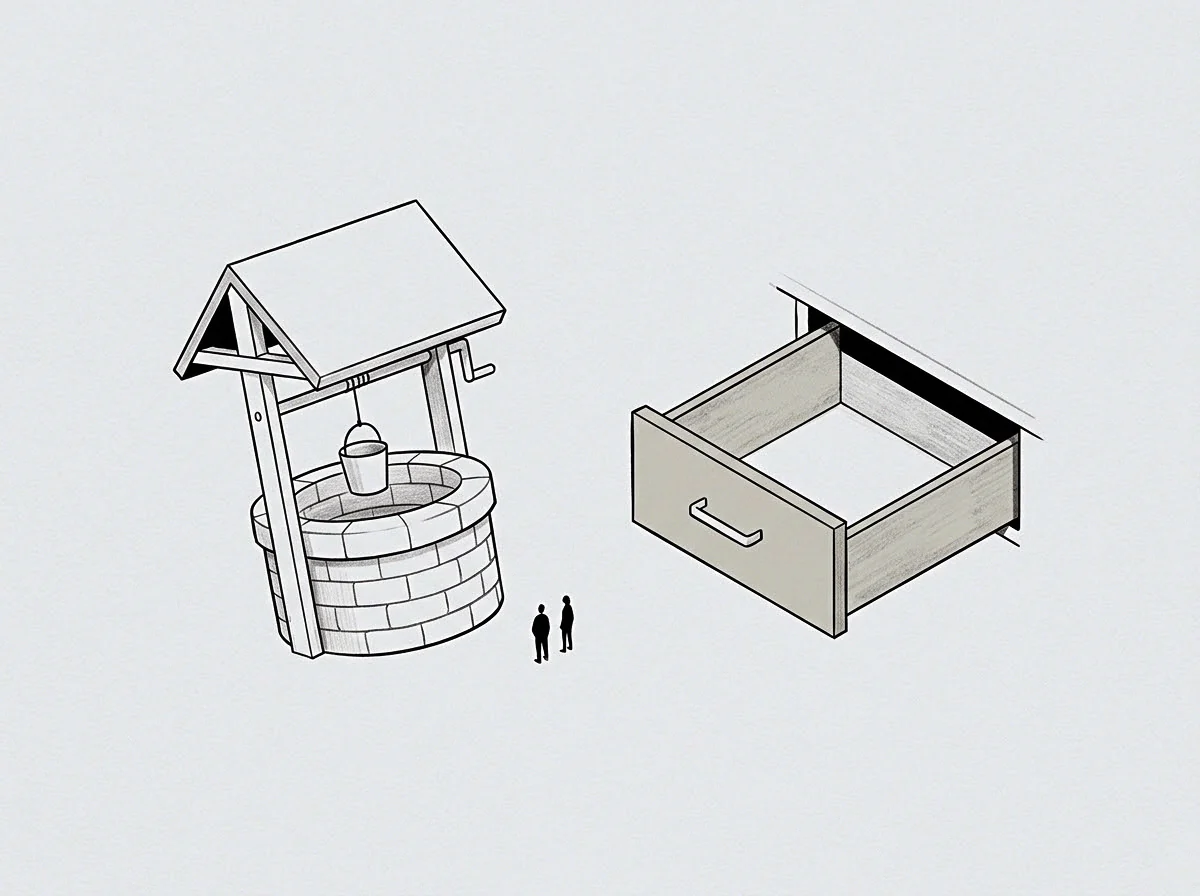
Latch

Mechanical Transfer Functions
Mechanical latches in high-throughput architectures stop tasks from entering execution until preconditions clear. In human organizations, the equivalent barrier is a stated limit acting as an impersonal wall. Framing limits as personal preferences invites pressure, leading counterparties to negotiate terms, exert social pressure, or ask for exceptions.
Setting the limit as a fixed operating term turns the barrier into a structural reality.
Pressure pushes against an individual until it hits a condition independent of them. A stated limit works when it specifies exact operational triggers rather than emotional endurance levels. When an operator states that review windows require seventy-two hours of lead time, the intake latch drops automatically on tickets arriving with shorter notice.
| Intake Model | Gating Variable | Queue Reaction | System Stability |
|---|---|---|---|
| Sentiment Intake | Subjective enthusiasm | Unbounded queue expansion | Periodic total stalls |
| Discretionary Review | Perceived urgency | Selective prioritization drift | High error density |
| State Gated Routing | Verified cognitive headroom | Deterministic queue shedding | Consistent completion rates |
Formalizing execution boundaries replaces constant personal intervention with fixed protocols. The intake gate closes whenever concurrent active projects exceed three items per principal. Incoming requests stop at the boundary of the execution environment without requiring emotional defense from the operator.
A stated operational term holds because the boundary functions as an external condition rather than a personal preference.

The Wall as Concrete Enclosure
As organizations expand staff counts, communication noise grows and tests informal arrangements. An operator who relies on goodwill to manage requests spends substantial energy handling friction. The structural wall consists of explicit contractual clauses, fixed submission formats, and automated dispatch schedules.
Requests lacking required validation tokens stop at the gate.
An arrangement holding fifty active communication threads bleeds executive capacity through context switching. An automated intake latch eliminates individual negotiation over scheduling priorities. Operating terms dictate that review occurs solely during designated morning blocks, and requests delivered outside that window sit dormant until the next cycle.
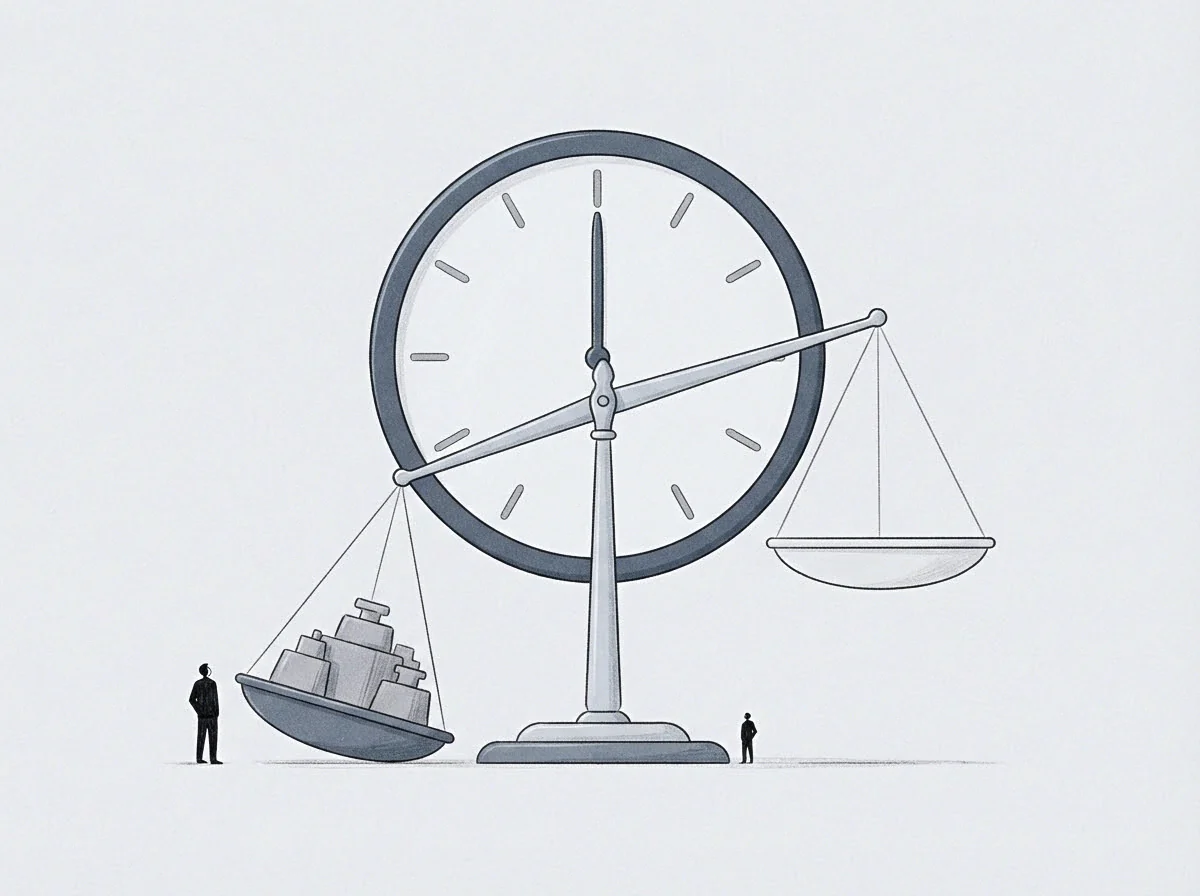
Threshold
Does Execution Halt at Stated Reserves?
Biological reserves limit cognitive processing capacity directly. When sustained operational emergencies accumulate heavy stress, the nervous system enters conservation. Working memory narrows to immediate threats, abstract reasoning degrades, and error detection drops significantly.
Attempting high-consequence work while carrying heavy fatigue leads directly to major decision errors.
The threshold represents the absolute minimum reserve balance required to permit task execution. When available energy sinks below this line, task routing halts automatically. Secondary assignments freeze, delegation protocols transfer control to predetermined deputies, and incoming correspondence diverts to asynchronous vaults.
Execution quality drops to baseline failure rates whenever an operator processes complex assignments beneath mandatory reserve thresholds.
Boundary testing reveals the structural discipline of the firm. Counterparties routinely test thresholds by treating routine requests as urgent. If an operator breaks protocol to accommodate a late request, the boundary dissolves permanently for that counterparty, who learns the threshold is porous and applies greater pressure during future crunches.
Allostatic Load and Throttling Regimes
Throttling regimes preserve long-term cognitive capacity by forcing rate reductions during extreme load, mirroring packet shaping in overloaded computational networks. When high error rates or sustained delays occur in executive responses, incoming task volume is restricted. Pausing execution at predefined thresholds protects the firm from cumulative structural liability.
Intake failure modes appear in predictable sequences when throttling regimes are absent:
- Unbounded intake expansion occurs when incoming demands bypass reserve evaluations, flooding personnel with unexecutable volume.
- Priority inversion takes place when low-value administrative noise displaces high-consequence architectural tasks due to proximity.
- Systemic fatigue leakage develops when operational panic spreads from exhausted operators to subordinate personnel.
- Executive paralysis emerges as working memory becomes saturated by conflicting open operational loops.
An organization that ignores physiological thresholds pays through compounding operational debt, severe attrition among founding staff, and major strategic errors made under acute exhaustion.
Channel

Asynchronous Silence and Priority Indication
Communication velocity indicates systemic health. Channels demanding immediate responses cause continuous distraction that destroys deep work. Prioritizing asynchronous channels establishes a buffer between incoming demands and active execution, making channel silence a sign of discipline rather than neglect.
High-consequence decisions require prolonged reflection, which persistent notifications disrupt. When an operator silences a channel during deep execution blocks, counterparties learn to evaluate urgency before initiating contact. The absence of an immediate response forces senders to resolve routine ambiguity locally instead of passing cognitive load upward.
A silent channel communicates operational priority by eliminating low-cost interruptions during the working day.
Notifications hijack local processing capacity. Every incoming alert forces an evaluation cycle, consuming energy and breaking focus. Formalizing execution boundaries requires disabling real-time pings across non-emergency systems so channels run cold by design, collecting batch inputs for scheduled clearance.

The Derivation of Operator Presence
Counterparties derive availability from observed patterns rather than announcements. When an operator claims unlimited availability, the team assumes unbounded capacity and offloads responsibility. When an operator maintains strict contact windows with total silence outside them, counterparties adapt their rhythm accordingly.
Establishing structural presence requires definite conditions for engagement:
- Batch intake windows restrict communication processing to two ninety-minute periods spaced across the working day.
- Synchronous escalation barriers require written briefing documentation before any real-time meeting gets scheduled.
- Mandatory cooling buffers enforce a four-hour pause between an urgent inquiry and the executive reply.
The project requires immediate attendance on this thread because the schedule depends on a response before noon.

Toll
Load Transfer in Expanding Systems
Expanding organizations naturally transfer work toward competent, undefended individuals. An operator demonstrating high capacity attracts an increasing share of secondary administrative tasks—a tax on visible competence. Without firm boundaries, key talent gets consumed by coordination overhead.
Formalizing execution boundaries redirects administrative tasks to systemic machinery. A boundary framework assigns routing rules based on explicit operational criteria rather than ad hoc negotiation, absorbing and filtering incoming requests without manual effort.
A formal boundary defines which tasks enter the executive queue and which return to originators for revision. Unformatted requests fail intake validation instantly, forcing the sender to meet standards before the task advances.

Stated Terms in Lieu of Regulators
Personal oversight fails under sustained structural load. Managing organizational chaos through constant intervention exhausts energy reserves quickly. Replacing individual oversight with explicit operating terms preserves human longevity while improving operational precision across the organization.
Explicit operating terms govern interaction standards, response latencies, and execution criteria. External demands encounter predefined rules rather than an exhausted individual, operating as a property of the system that is immune to social pressure and emotional appeals.
A stated operating term outlasts the endurance of the operator who established it.