Meaning
Cognitive integration resolves disparate operational, financial and market inputs into a coherent, directional path for an enterprise. Through strategic synthesis, an executive extracts high-order clarity from noisy and contradictory organizational data without descending into micro-management. The process governs enterprise redirection, post-merger integration, and capital allocation across long horizons.
It stops applying to basic linear deduction or local process execution where variables are fully known and predictable.
Cognitive Assembly
Assembling non-correlated variables into actionable direction requires quiet, sustained prefrontal processing. During strategic synthesis, the human operator must hold contradictory market cues simultaneously while identifying structural patterns. This cognitive effort cannot happen inside reactive communications streams or fragmented work blocks.
It requires deep isolation from operational interruptions to let latent insights form into structured plans. True strategic clarity is built slowly through focused analytical stamina.
Distillation Value
The chief product of high-level oversight is the conversion of raw organizational ambiguity into clear operational principles. Strategic synthesis strips away secondary operational noise, handing executive leadership simple decision rules for volatile markets. Founders who leave day-to-day operations can still supply synthesis as long as their working memory is not overloaded by operational trivia.
When distilled clearly, a single strategic insight organizes an entire operational division. Without it, companies waste capital chasing disconnected initiatives.
Operational Drift
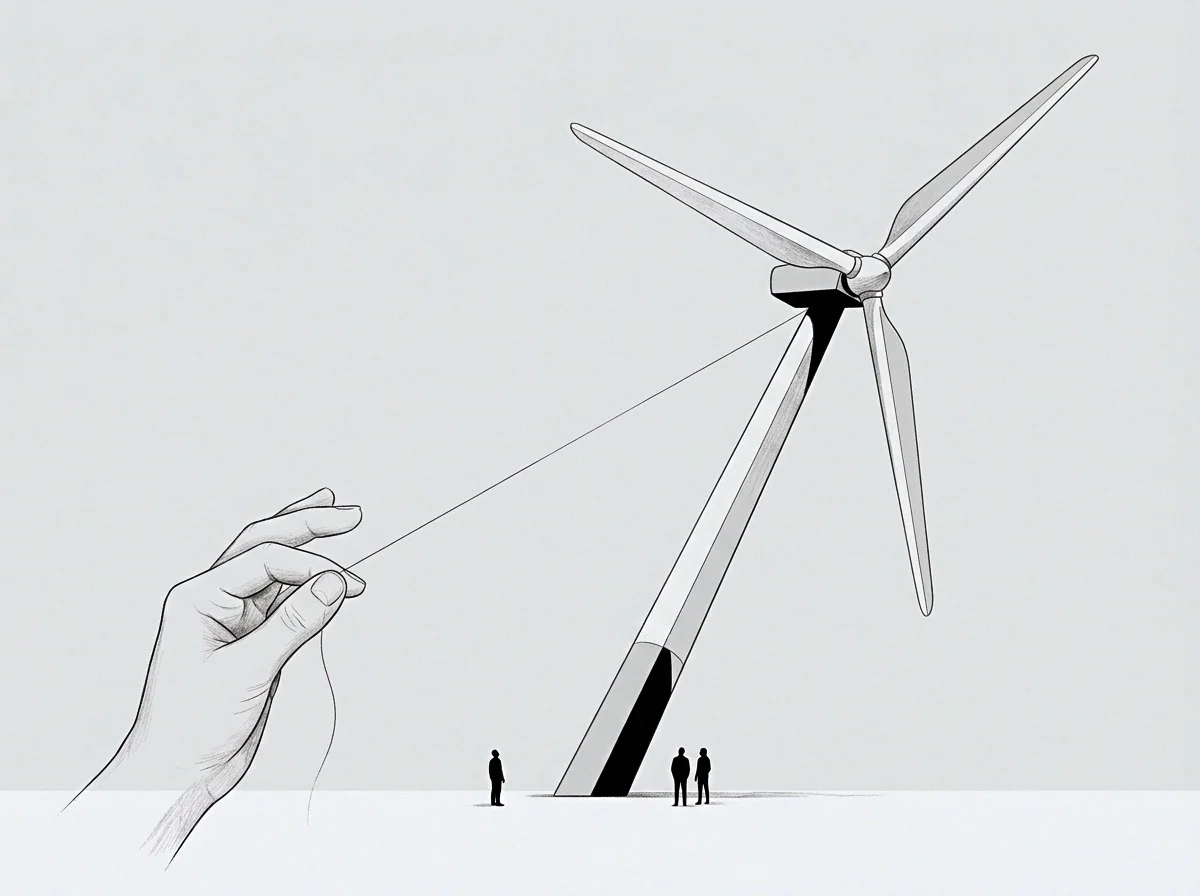
Failing to allocate uninterrupted time for long-range planning forces organizations into perpetual tactical reactivity. Without ongoing strategic synthesis, enterprises drift along paths set by their loudest external stakeholders or temporary market panics. The absence of synthesis leaves leadership unable to tell brief disruptions from permanent structural changes.
Operational efficiency cannot substitute for missing structural direction. The ultimate durability of an enterprise depends on continuous, accurate strategic interpretation.