Meaning
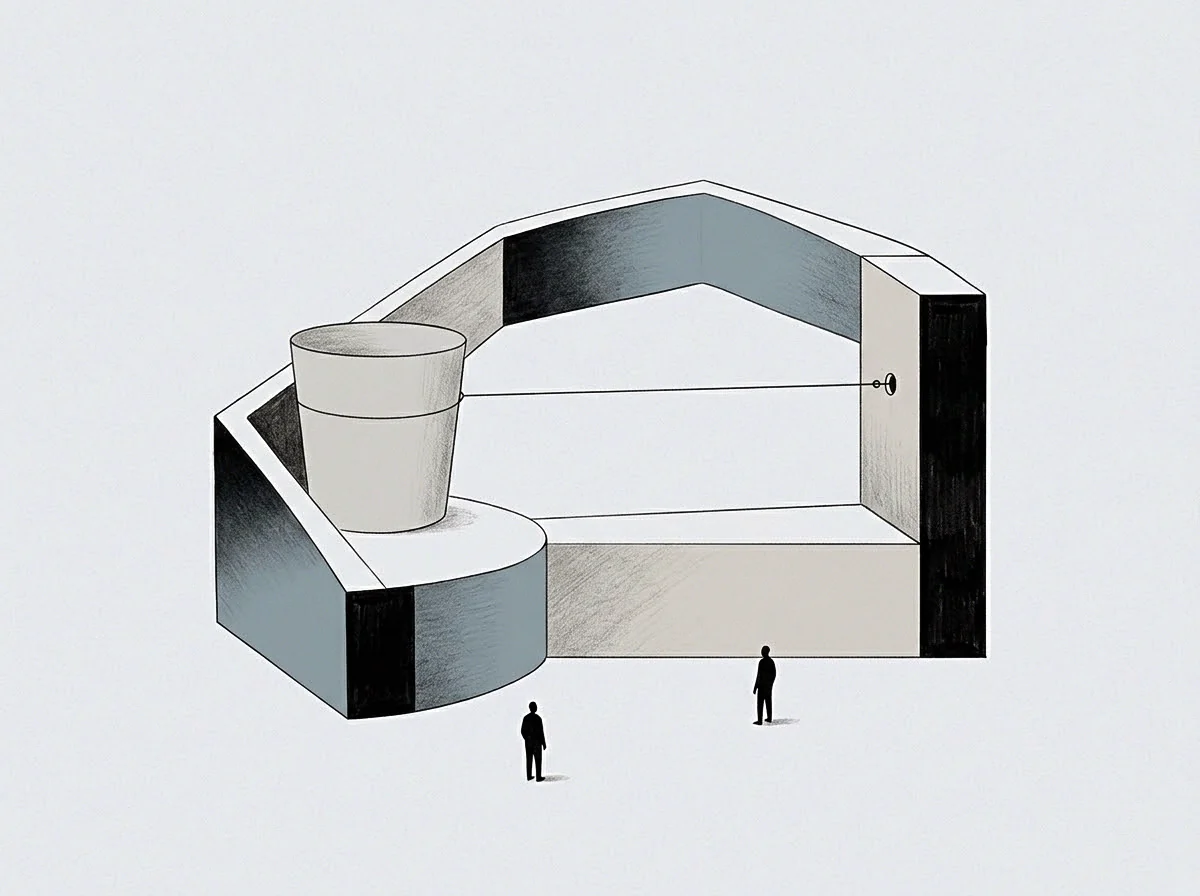
Alternative routing occurs when an organization intentionally routes around a bottlenecked department or manager to execute a task. This tactical maneuver, known as a structural bypass, is deployed to maintain speed when traditional channels become unresponsive or overly bureaucratic. It governs the temporary redistribution of operational flow within the firm.
The bypass should be deactivated once the original channel is restored or permanently redesigned.
Workflow Acceleration
Speeding up product delivery or customer resolution often requires ignoring formal hierarchies during times of high demand. When utilizing a structural bypass, a team might go straight to a senior engineer for approval rather than waiting for the official department head. This action saves hours of administrative waiting time and keeps projects on schedule.
It is a frequent tool for early-stage companies that must prioritize execution speed above all else.
Frictional Cost
While circumventing the official process solves the immediate delay but introduces long-term friction and political tension within the organization. The department head who was avoided during the structural bypass may feel undermined, leading to a breakdown in collaboration. Furthermore, because these actions occur outside the standard tracking systems, they leave no audit trail and make future troubleshooting difficult.
Teams that rely on this tactic too often build a chaotic operating environment where nobody knows the correct procedure. The energy spent resolving the resulting disputes and untangling unauthorized changes quickly outstrips the time saved by the shortcut.
Organizational Drift
Unmanaged divergence occurs when these informal shortcuts become the default operating procedure for the majority of the team. Over time, the official processes become completely obsolete, while the informal bypasses grow too complex to manage. This drift reduces the company’s ability to scale efficiently or train new employees.