
Structural Separation of Direct Execution from Executive Seat Authority
Structural separation removes an executive from direct production tasks, isolating enterprise governance authority from daily tactical operations.

Rift
Production generates output through direct labor; governance distributes capital and sets operating standards across business units. When both responsibilities sit with one person, the structural distance required to evaluate performance objectively disappears. Someone writing code for a core subsystem or negotiating an individual commercial contract cannot step outside the operational stream to referee broader enterprise trade-offs.
Tactical execution requires total absorption in the immediate problem, while governance demands detachment from implementation.
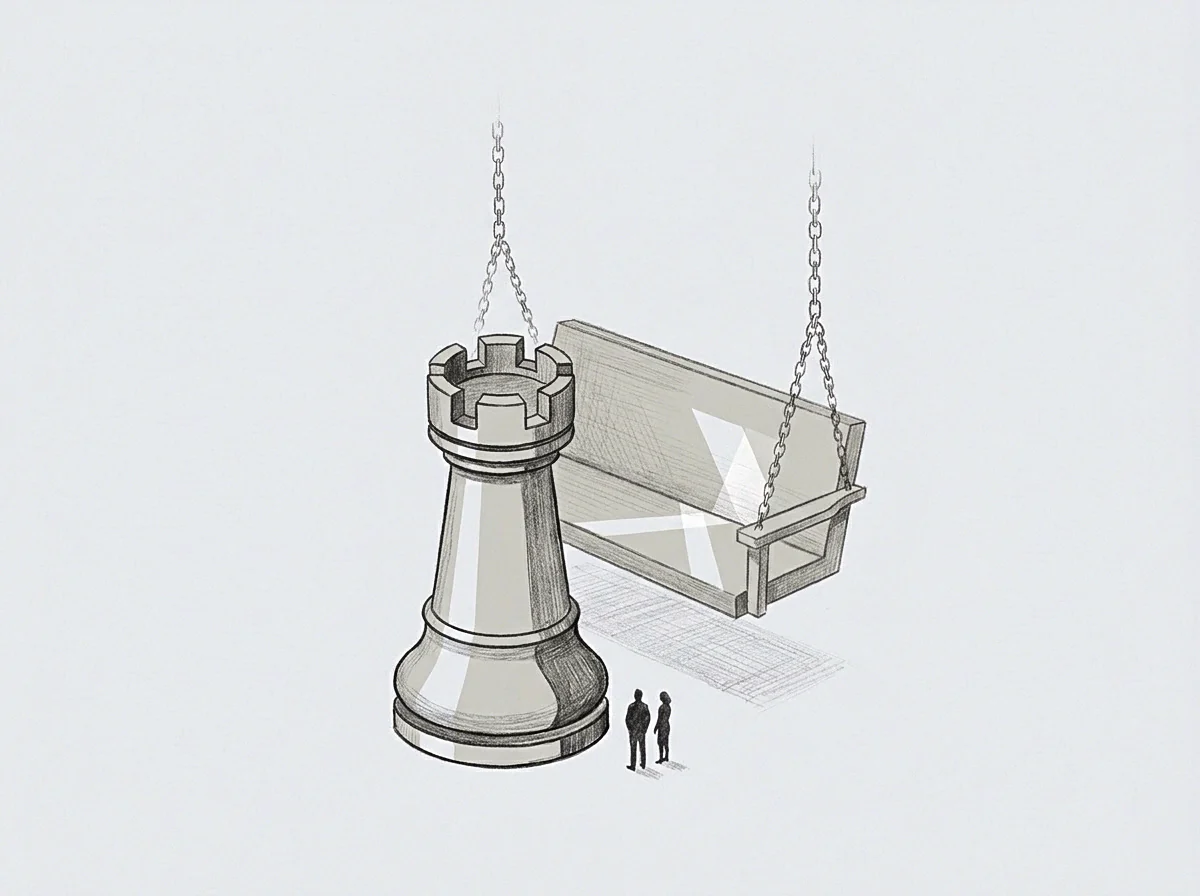
Division of Operational and Governance Spheres
Direct execution focuses on immediate tactical throughput: fixing software defects, drafting agreements, or balancing cash accounts. Executive authority operates through systemic arbitration, capital staging, and organizational accountability. Combining the two distorts operational feedback.
Subordinates interpret casual suggestions as binding directives, which stalls local initiative, while the executive ends up judging technical decisions by personal craftsmanship rather than organizational efficacy.
A governance seat loses systemic objectivity when the person occupying it acts as an operational producer inside the supervised system.
The institutional cost surfaces clearly once an organization expands past thirty employees. Below that threshold, direct founder craft often keeps the company alive. Beyond it, executive production turns into a bottleneck.
Each tactical intervention by an executive undercuts appointed department heads, producing quiet administrative paralysis. Teams hesitate to close decisions without verifying implicit executive preferences. Seeing the slowdown, the executive intervenes even deeper, accelerating the dysfunction.
Preserving structural separation requires an explicit operational charter that restricts the executive from producing raw deliverables, managing routine workflows, or evaluating granular tactical output outside formal governance reviews.
Weight
Physiological systems handle split operational roles through chronic sympathetic nervous system activation. Switching constantly between granular technical problems and long-term capital allocation prevents sustained concentration. Implementation tasks provide fast sensory feedback and clean resolution; strategic arbitration requires slow deliberation and an appetite for ambiguous signals across multi-month evaluation horizons.
Toggling between these cognitive modes across a single working day steadily drains cognitive capacity.
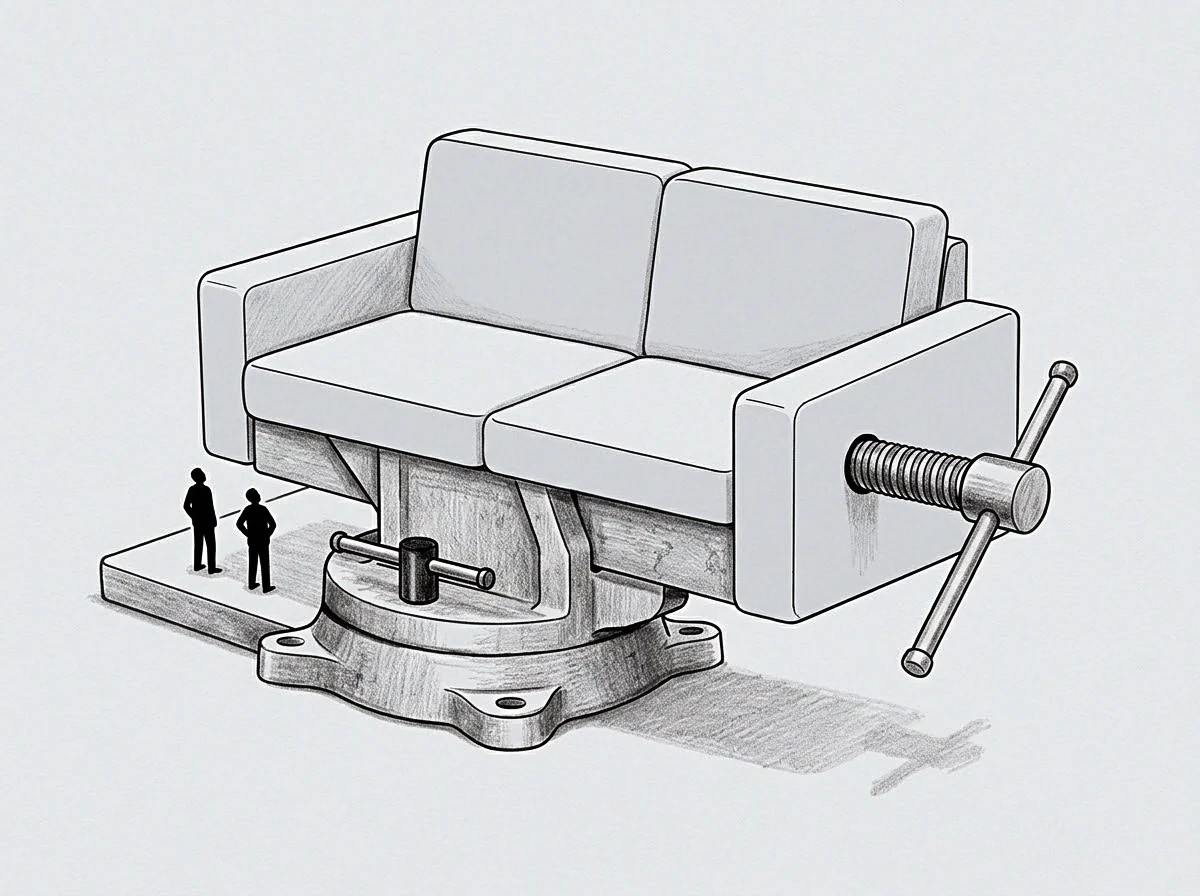
Attentional Fragmentation Across Distinct Horizons
Shifting between divergent organizational levels carries a measurable metabolic cost. Writing code or answering customer tickets creates immediate operational urgency. Resolving an urgent server failure immediately before presiding over a board meeting leaves cognitive residue that degrades executive assessment.
The neurological resources spent troubleshooting immediate failures directly deplete the capacity needed to evaluate strategic risks.
Under heavy operational strain, load-shedding happens in predictable ways. Executives default back to tangible execution because technical craft provides dependable, rapid feedback. Strategic evaluations, marked by prolonged uncertainty and postponed outcomes, get pushed aside.
Closing pull requests and clearing customer queues generates a feeling of productivity while corporate solvency erodes in parallel.
Personal exhaustion accelerates as rest and strategic clarity erode, leaving the body trapped in acute response patterns.
Persistent tactical intervention under executive status indicates regulatory exhaustion rather than high organizational competence.
Chronic attentional dispersion compromises physical health through elevated baseline cortisol and persistent cardiovascular strain. Sleep architecture degrades under constant operational pressure. Mental sharpness drops until leadership reduces to erratic tactical reactions.
When an executive seat remains tied to daily production, capital allocation breaks down while the person in the role exhausts their energy and physical capacity.
Friction
When an executive handles operational tasks, organizational hierarchy distorts normal peer review. Subordinate specialists rarely feel comfortable critiquing code, marketing copy, or sales collateral drafted by the person who controls enterprise authority. Flawed deliverables slip into production because challenging the work feels professionally hazardous, disabling the standard quality checks that govern other contributors.
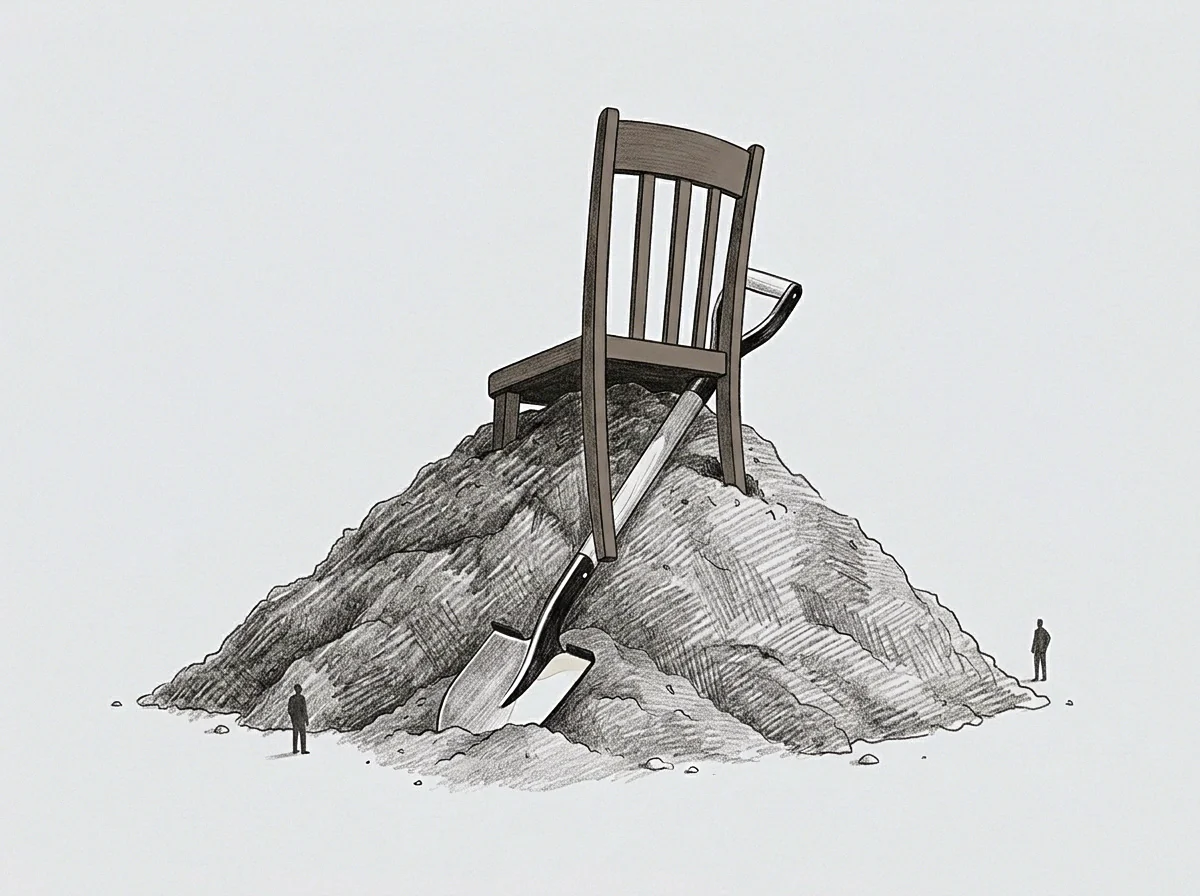
What Breaks During Operational Overlap?
Professional autonomy vanishes within subordinate teams when the seat holder steps into daily execution. Functional leads stop owning their metrics and defer routine technical choices upward to wait for explicit guidance. Executives often mistake this dependent passivity for an absence of talent, when in fact direct operational meddling produced it.
The table below examines the structural divergence between pure operational execution and legitimate seat stewardship across distinct organizational axes.
| Operational Axis | Direct Execution | Executive Seat Authority |
|---|---|---|
| Temporal Focus | Hours, days, immediate sprints | Quarters, years, capital cycles |
| Primary Feedback | Functional tests, client sign-offs | Enterprise margin, organizational health |
| Accountability Target | Deliverable quality and speed | Resource allocation and leadership capability |
| Power Dynamic | Peer collaboration and technical critique | Fiduciary oversight and structural command |
| Failure Signature | Defective product, missed shipping dates | Insolvent balance sheet, organizational atrophy |
Every operational intrusion weakens managerial authority. Department leads turn into passive coordinators instead of accountable owners, leaving the executive to complain about carrying every organizational burden alone without recognizing what caused the dynamic.
Subordinate developers rarely rewrite substandard code submitted by the person setting compensation; instead, the engineering team quietly builds workarounds to accommodate executive mistakes.
Lock
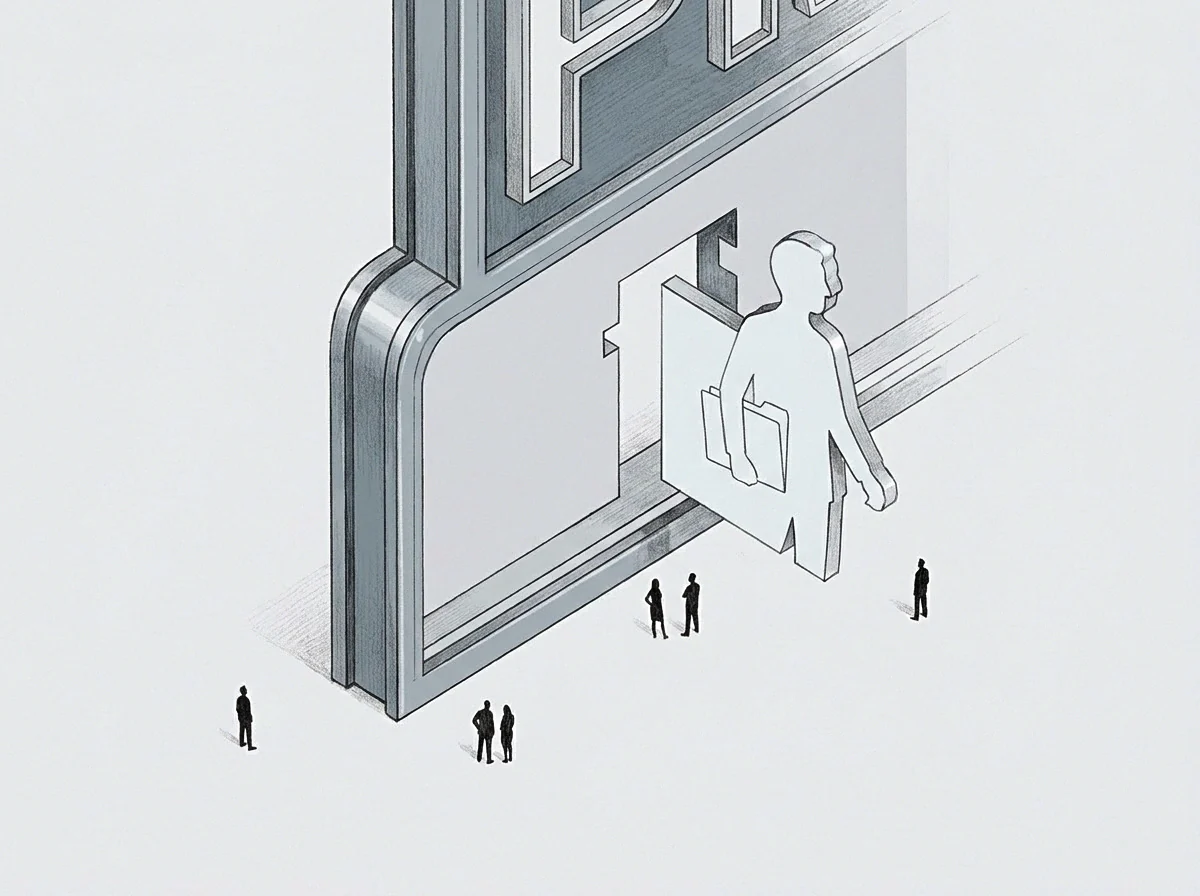
Separation requires structural barriers rather than personal discipline. Behavioral restraint inevitably dissolves during crises, pulling the executive directly back into execution. Real differentiation demands mechanical protocols that isolate production environments from executive access.
The seat holder must lack administrative permissions to ship code, issue marketing copy, or alter operational databases without secondary sign-offs.
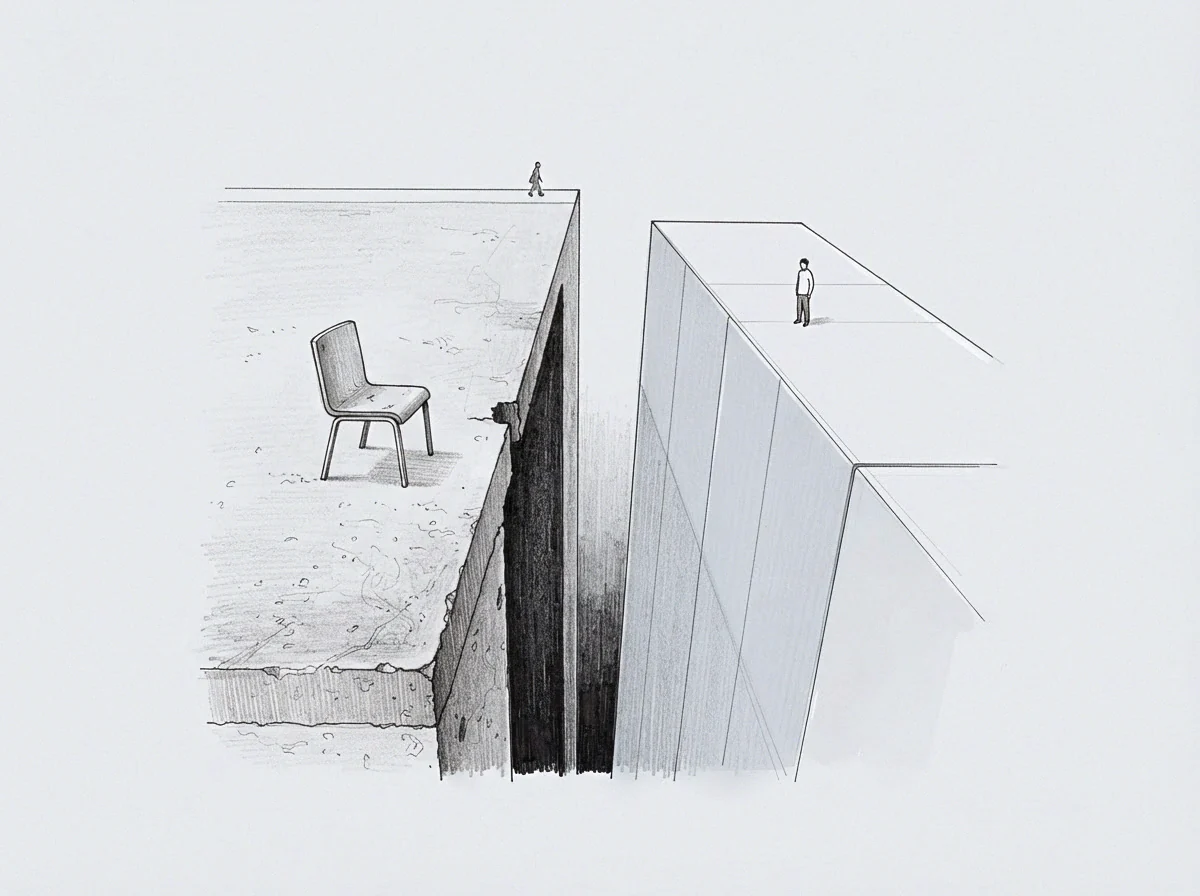
Structural Isolation of Authority Channels
Enforcing institutional boundaries preserves organizational competence. Clear delegation matrices define which decisions belong exclusively to functional leads. When an operational escalation occurs, the executive responds through resource reallocation rather than direct personal labor.
- Permission Revocation terminates executive repository write access and direct customer interface channels, ensuring technical contributions pass through standard evaluation funnels.
- Formal Delegation Charters specify exact decision thresholds where managers act autonomously without seeking higher governance approval.
- Arbitration Protocols force operational disputes through scheduled operational reviews, stopping ad hoc executive interventions.
Mechanical administrative blocks protect organizational autonomy where personal willpower predictably collapses under operational pressure.
Clear systemic guardrails prevent the executive from acting as an informal production volunteer. Authority flows instead through structural mandates, budget assignments, and executive performance reviews. Tactical problems are addressed by hiring competent specialists or replacing ineffective managers, leaving direct production to dedicated functional contributors.
True functional delegation occurs only when operational authority cannot be reclaimed during a crisis without formally altering the corporate governance structure.

Span
Stepping back from direct production creates an uncomfortable void for a technical founder or specialist executive. Making things provides immediate proof of capability, whereas governance offers only indirect, delayed feedback. The transition demands adjusting to prolonged ambiguity and quiet strategic observation, which often feels like a loss of professional identity once stripped of operational execution tools.

Latent Capacity and Enterprise Resilience
Securing functional detachment builds organizational resilience. Subordinate managers cultivate genuine leadership capacity by solving difficult operational issues independently, establishing operating playbooks that do not depend on founder heroics. Meanwhile, the executive recovers the mental margin required to evaluate macro threats, track competitive repositioning, and orchestrate complex commercial partnerships.
A founder who stops executing direct tasks faces the difficult reality of organizational latency. Strategy moves slowly, and capital redeployment requires patience. The discipline lies in observing operational friction without instantly intervening, giving internal systems room to process and correct errors naturally.
The enterprise either builds independent operational capability, or it remains an expanded personal consultancy masquerading as a corporation. How an executive maintains technical credibility while remaining permanently detached from hands-on execution remains an unresolved challenge for growing organizations.