Meaning
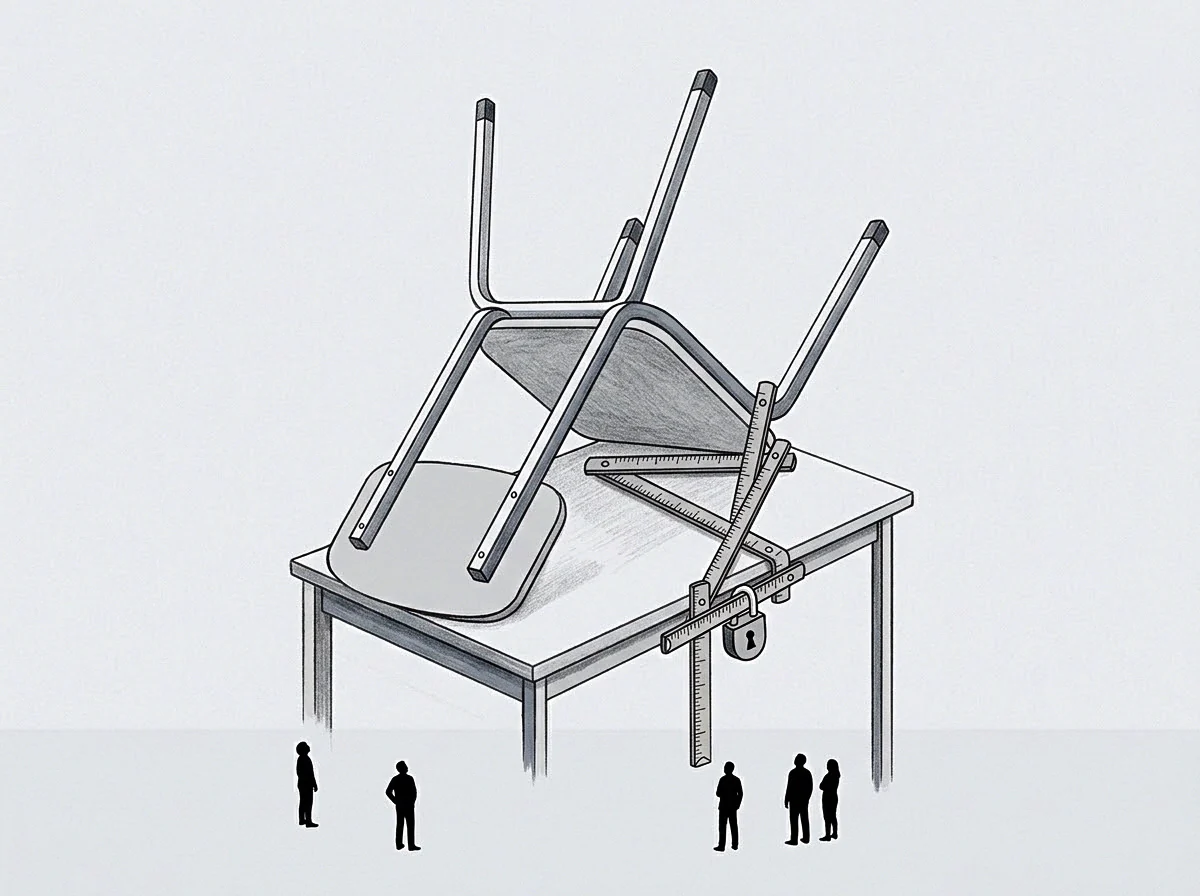
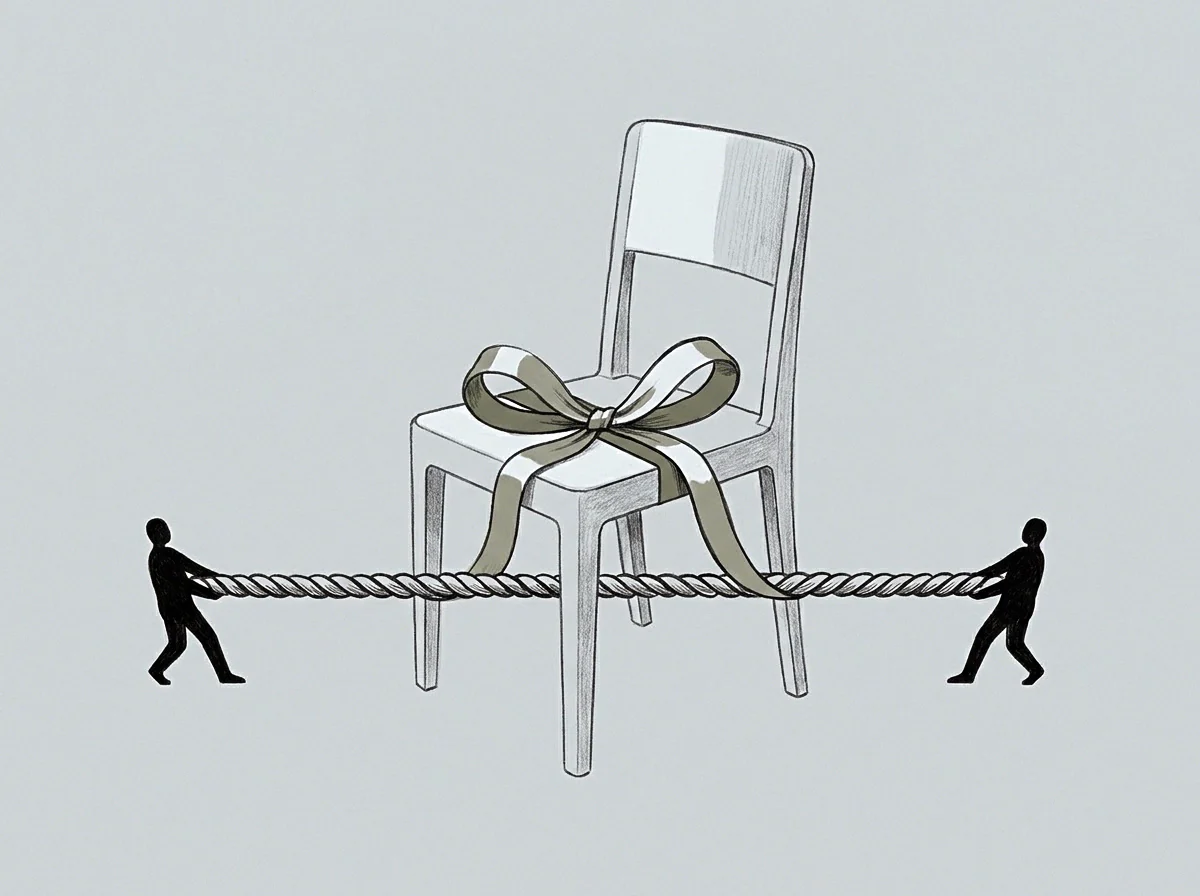
Cognitive transition delays occur when an individual shifts mental focus between distinct operational contexts or regulatory domains. The concept of switching latency describes the time lag and mental residue experienced when moving from high-stakes governance tasks to deep strategic creative work. During this interval, cognitive processing remains anchored to the previous context, lowering immediate analytical sharpness.
This delay compounds across frequent context changes, reducing total daily executive productivity.
Cognitive Cost
Task shifting forces the brain to deactivate previous working memory models and configure new mental frameworks. High switching latency reflects the ongoing residual activation of prior thoughts, which interferes with immediate problem solving in the new domain. Executives who change focus multiple times per hour operate in a state of continuous cognitive lag, decreasing analytical accuracy and emotional composure.
Strategic Friction
Organizational agility suffers when decision makers experience prolonged context transitions. When switching latency is elevated, leaders struggle to engage deeply with complex strategic documents immediately after managing high-stress administrative disputes. This friction creates operational bottlenecks, as time allocated for strategic evaluation is consumed by cognitive readjustment.
Recovery Limit
Switching efficiency collapses when total daily transitions exceed working memory threshold limits. Under severe context overload, mental readjustment becomes impossible, forcing decision makers to operate on shallow intuition.