Meaning
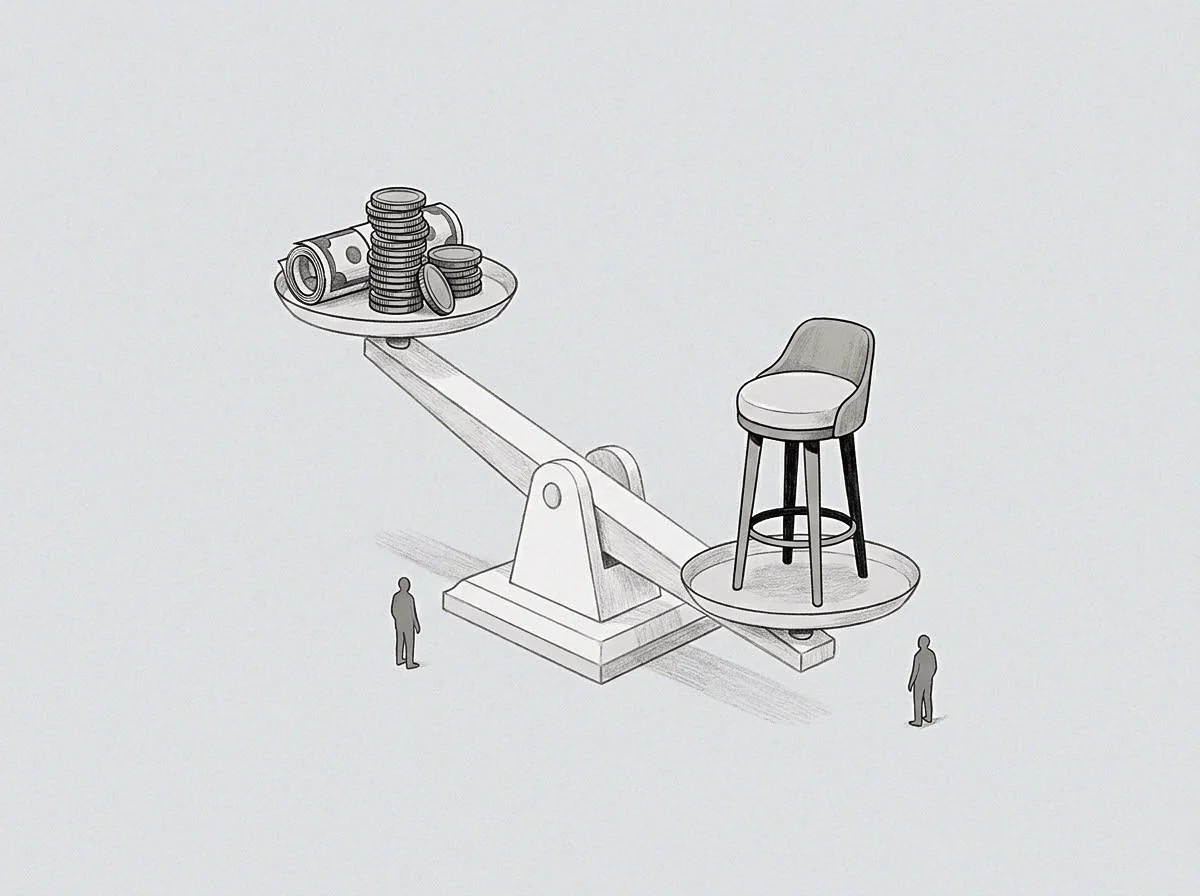
The difference between the current operational load and the maximum sustainable capacity represents the available reserve for unexpected demands. Maintaining sufficient system headroom allows an organization to absorb shocks or capitalize on new opportunities without collapsing. It functions as a safety buffer that protects the long-term health of the founding team.
Reserve Utility
Excess capacity functions as a form of insurance against volatility. When system headroom is high, the impact of a sudden crisis is minimized because there are resources available to address it. As the load approaches the absolute limit, the flexibility of the organization disappears.
Load Regulation
Managing this buffer involves making difficult choices about which projects to accept and which to decline. A founder who operates with zero system headroom is in a state of constant fragility, where even a small disruption can cause a total failure. The cost in attention of keeping this reserve is the potential revenue or progress lost by not running at one hundred percent capacity.
However, the stability provided by this margin is essential for sustainable growth. Monitoring this gap is a central part of self-regulation.
Boundary Condition
Once the buffer is consumed, the system enters a state of throttling. High levels of stress occur when system headroom remains at or near zero for extended periods.