Meaning
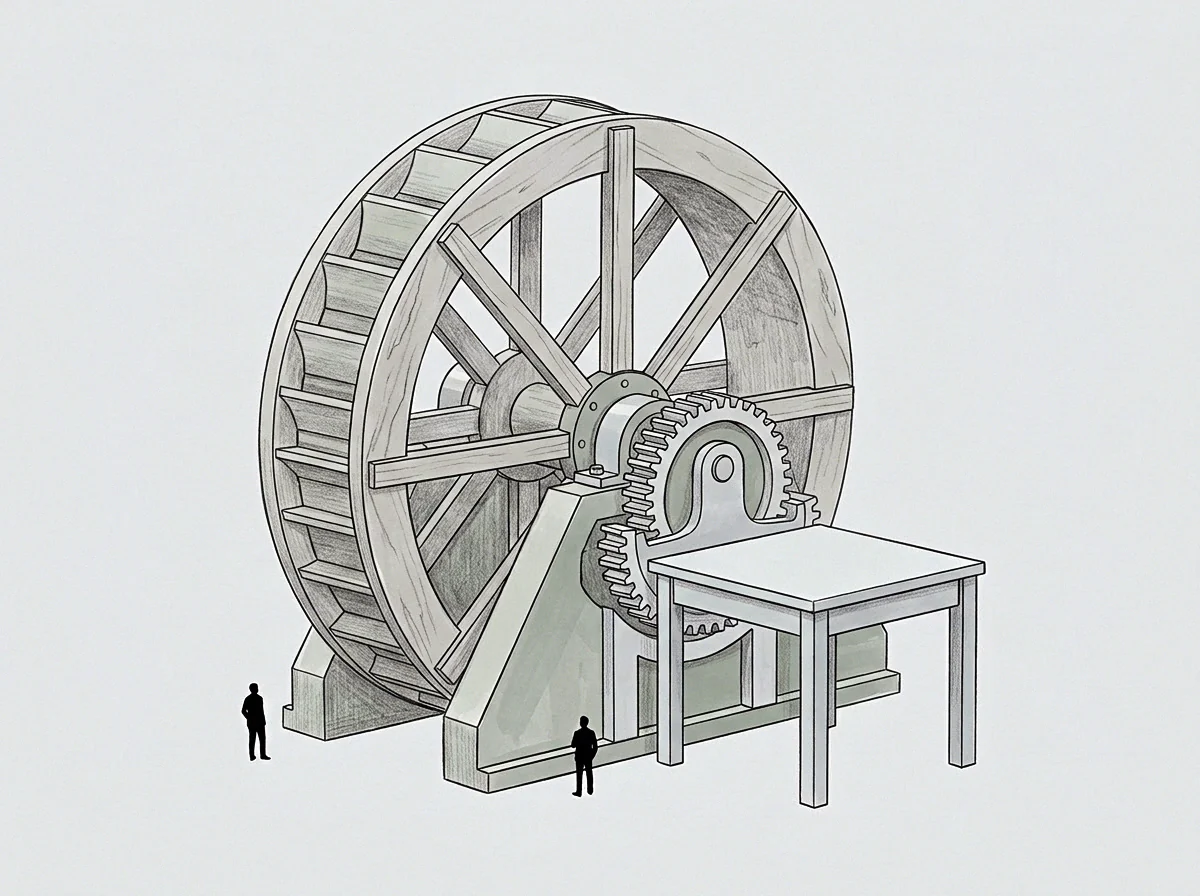
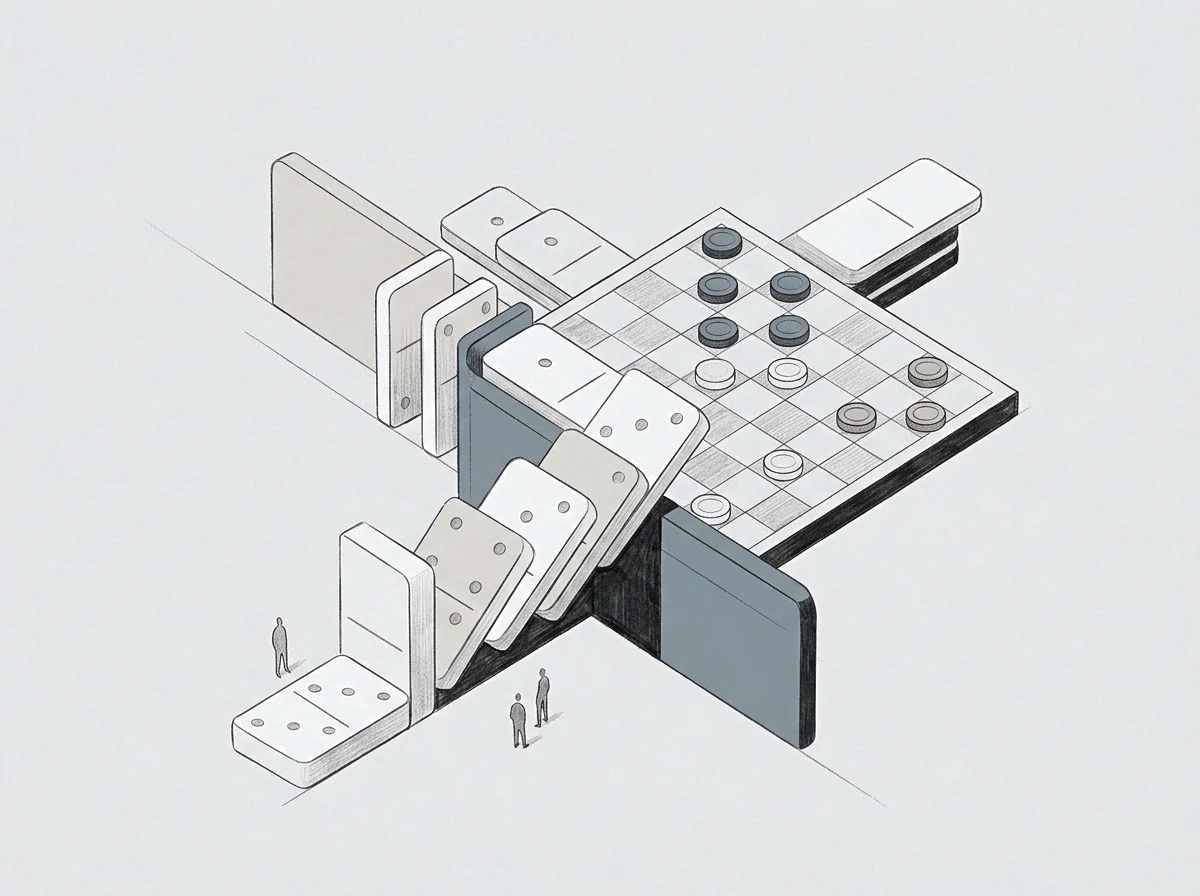
The deliberate shedding of operational load represents a physiological and structural regulatory mechanism deployed when persistent demands on an individual exceed allostatic capacity. Load shedding describes the systematic shedding of commitments, decisions, and communicative interfaces designed to preserve baseline neurological function after founding a high-intensity enterprise. Regulation operates through a self-administered boundary management process where discretionary inputs are dropped before core executive stability collapses entirely.
Physiological exhaustion forces this intervention when working memory degrades and sleep architecture fragments beyond recovery under sustained pressure. Throttling differs from failing because deliberate reduction preserves core operational continuity while structural degradation leads to total system collapse. This protective shutdown stops immediately at the boundary where legal, fiduciary, or contractual obligations would be breached by further inaction.
Capacity Limit
Sustained cognitive expenditure depletes executive attention hours until decision latency increases across every routine domain. Biological limits govern how many complex evaluations an individual can execute safely without compensatory errors appearing in communication and output. Attention costs accumulate invisibly while a founder maintains high output through sheer adrenaline before physiological failure forces a sudden drop in bandwidth.
Structural load shedding sets a hard ceiling on daily commitments to match this degraded capacity without announcing vulnerability to external stakeholders. Operating past this threshold burns available energy reserves and damages long-term physical health through chronic autonomic nervous stimulation.
Boundary Defense
External pressures demand constant availability from leadership figures who hold final responsibility for organizational survival and financial solvency. Founders manage this tension by erecting artificial communication barriers that separate uninterrupted focus blocks from reactive operational firefighting. Borrowed regulation from cofounders or executive assistants temporarily props up failing internal capacity while permanent structural reductions are designed.
These protective measures cost social capital and goodwill because stakeholders experience decreased responsiveness as personal rejection or professional decline. Stated limits replace implicit availability with published schedules that make personal boundaries visible to every counterparty in the operational network.
Systemic Recovery
Complete baseline restoration requires more than temporary breaks because chronic exhaustion alters baseline stress responses over extended periods. Recovery occurs when the volume of incoming demands matches the actual physiological capacity available for daily processing. This stabilization phase prevents the recurring cycles of burnout that typically force unplanned exits from leadership roles.
Normal operating parameters return gradually once neurological reserve builds back up through consistent rest and boundary enforcement. Systemic durability depends entirely on recognizing that human capacity operates under strict physical laws rather than infinite willpower.