Meaning
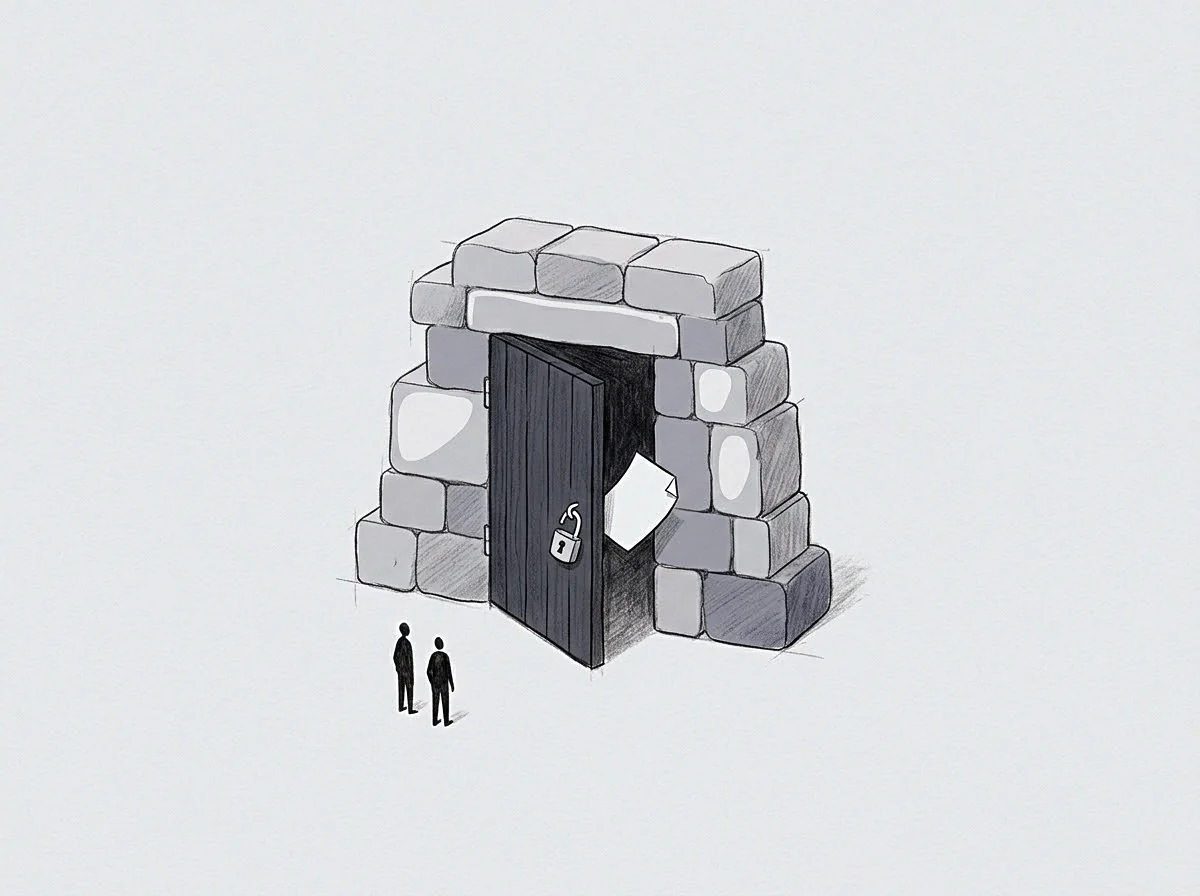
Time structuring frameworks establish the sequence, duration and boundaries of deep analytical work, administrative throughput and physiological recovery. For individuals transitioning out of enterprise leadership, temporal architecture represents the deliberate organization of the calendar to protect cognitive capacity from chaotic external demands and reactive operational tasks. The framework measures the structural division of human hours, establishing boundaries that defend creative autonomy, and terminates where emergency fiduciary duties or acute legal crises demand total temporal mobilization.
Rhythmic Cadence
Aligning daily demands with natural biological rhythms maximizes cognitive efficiency while minimizing metabolic strain. By constructing a sound temporal architecture, an individual partitions the working day into distinct, non-overlapping zones dedicated to specific cognitive modalities. High-leverage strategic thinking is assigned to morning blocks of protected isolation, whereas administrative communications, routine meetings and secondary tasks are relegated to consolidated afternoon periods.
This separation prevents the constant cognitive context-switching that drains mental energy. Predictable scheduling cadences reduce the decision fatigue associated with continually choosing what to tackle next. Structured pacing allows the mind to enter deep states of concentrated focus without distraction.
Allostatic Insulation
Fragmented schedules command a heavy biological price through constant autonomic nervous system activation. The primary benefit of an intentional temporal architecture is the preservation of unallocated space for physiological reset and cognitive reflection. By ring-fencing large blocks of unscheduled time, a founder prevents secondary operational matters from consuming personal recovery periods.
The presence of protected time blocks reduces baseline cortisol levels and supports restful sleep by eliminating late-night administrative incursions. The individual escapes the chronic urgency that defines standard startup culture. Disciplined calendar design provides the structural insulation necessary for long-term health and creative longevity.
Fragmentation Penalty
Abandoning temporal discipline leads inevitably to calendar colonization by external counterparties. Without a deliberate temporal architecture, an individual’s daily schedule disintegrates into a patchwork of short, disconnected meetings and reactive messaging sessions that leave no room for complex synthesis. This temporal fragmentation forces high-value analytical work into evenings and weekends, steadily eroding personal boundaries.
The individual experiences constant busywork while failing to advance meaningful personal or commercial initiatives. Recovering control requires the aggressive cancellation of recurring commitments and the re-establishment of non-negotiable boundaries around personal time. True operational freedom requires active calendar stewardship.