Meaning
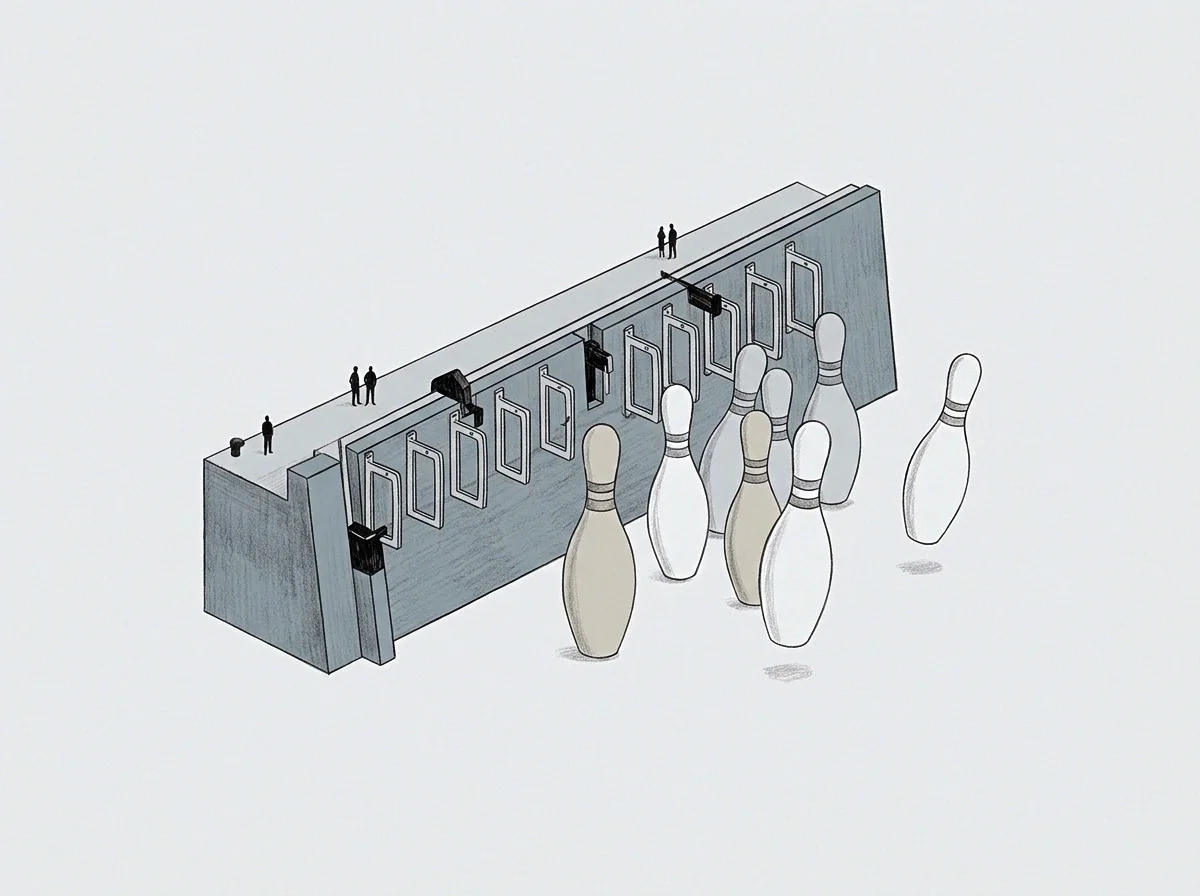
A rhythmic temporal cycle determines the frequency and depth at which incoming operational signals are filtered against defined urgency protocols. This triage cadence regulates the allocation of attention by restricting non-essential responses to set intervals. It prevents constant interruption by forcing disparate inputs into batches scheduled for periodic evaluation.
Operational Frequency
The interval choice shifts the load between immediate mitigation and cumulative processing. Short periods reduce the latency of problem detection at the cost of high attention fragmentation for the person in charge. Longer cycles permit deeper analysis but generate a risk of signal degradation where small issues mature into systemic failures before the next inspection window opens.
Decision Mechanism
Sorting occurs through a hierarchy of triggers rather than continuous monitoring. Low priority signals wait in a designated queue until the next scheduled review point. Urgent alerts bypass the queue and activate an override protocol that stops all other activities.
This creates a predictable flow of information that preserves capacity during high-volume periods.
Resource Regulation
Periodic batching of incoming information acts as a structural defense against the cognitive strain inherent in rapid-response environments. Maintaining this schedule requires discipline to ignore active notifications until the arrival of the next designated time block. Adherence to a strict interval structure lowers the hourly energy expenditure by removing the need for perpetual vigilance.