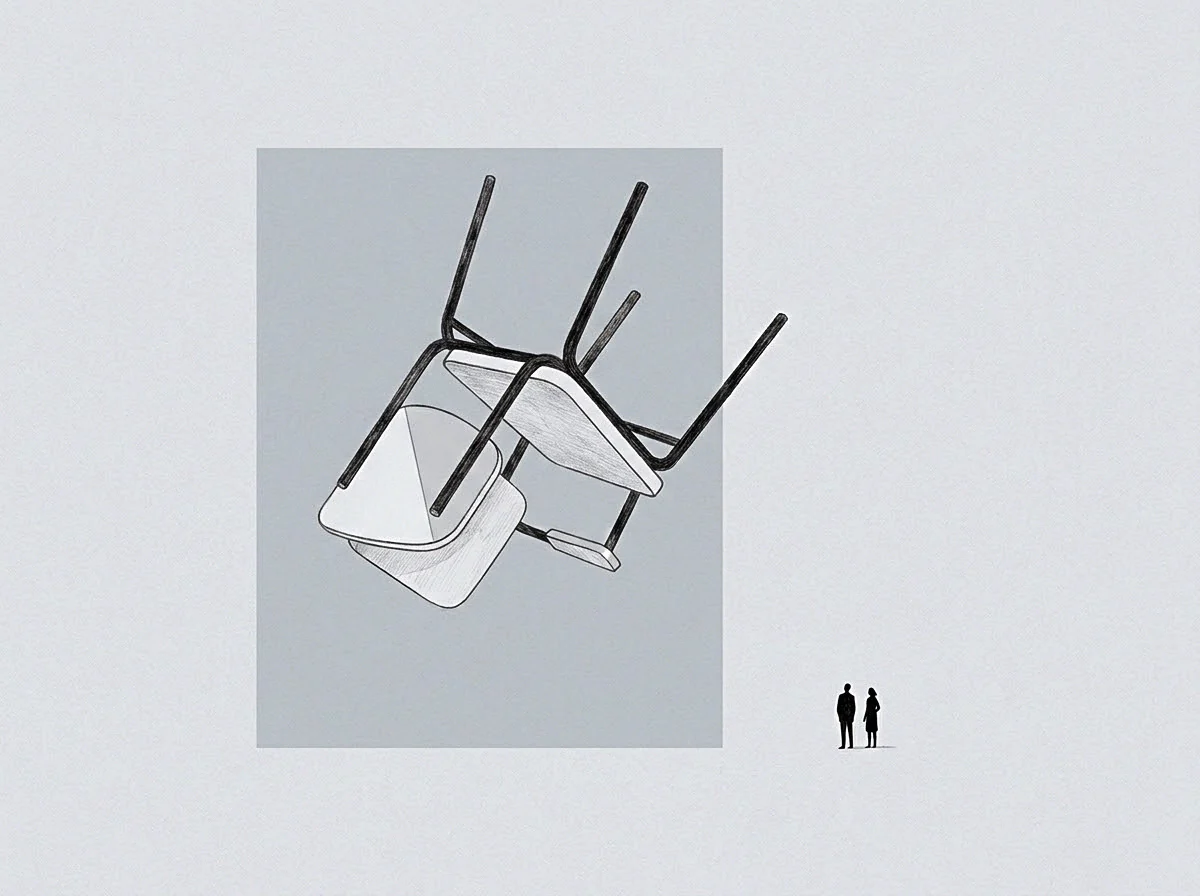
Meaning
Autonomic hyperarousal triggers immediate fight-or-flight physiological responses when external threat signals bypass central neural regulatory dampening. An unbuffered alarm occurs when an individual faces intense acute stressors without supportive social baseline connections or cognitive coping mechanisms to moderate the threat perception. The amygdala activates sympathetic pathways directly, elevating heart rate and stress hormone release without intervention from the prefrontal cortex.
This raw physiological activation prepares the organism for immediate physical defense but imposes rapid allostatic strain.
Autonomic Surge
Unmitigated sympathetic drive floods the cardiovascular system with catecholamines, shifting cellular metabolism toward rapid energy mobilization. Experiencing an unbuffered alarm causes immediate vasoconstriction and severe cognitive narrowing around the perceived threat source. Without co-regulation from trusted team members or executive peers, the individual cannot recruit parasympathetic dampening to lower systemic arousal.
The sustained elevation in arterial pressure and metabolic rate consumes glucose reserves rapidly, leaving the neural system exhausted once the immediate event subsides. Repeated exposures to raw autonomic surges degrade neuroendocrine baseline stability, lowering the threshold for subsequent threat activation. The absence of social buffering amplifies biological wear, turning acute operational challenges into persistent physiological distress.
Cognitive Cost
Raw autonomic activation suppresses executive function, impairing analytical reasoning and long-term planning capabilities. The acute focus on immediate survival signals prevents nuanced evaluation of complex operational data.
System Boundary
The boundary manifests when autonomic overload induces physical collapse, terminating high-frequency stress signaling.