
Neural Costs Of Absorbing Unreciprocated Leadership Alarm
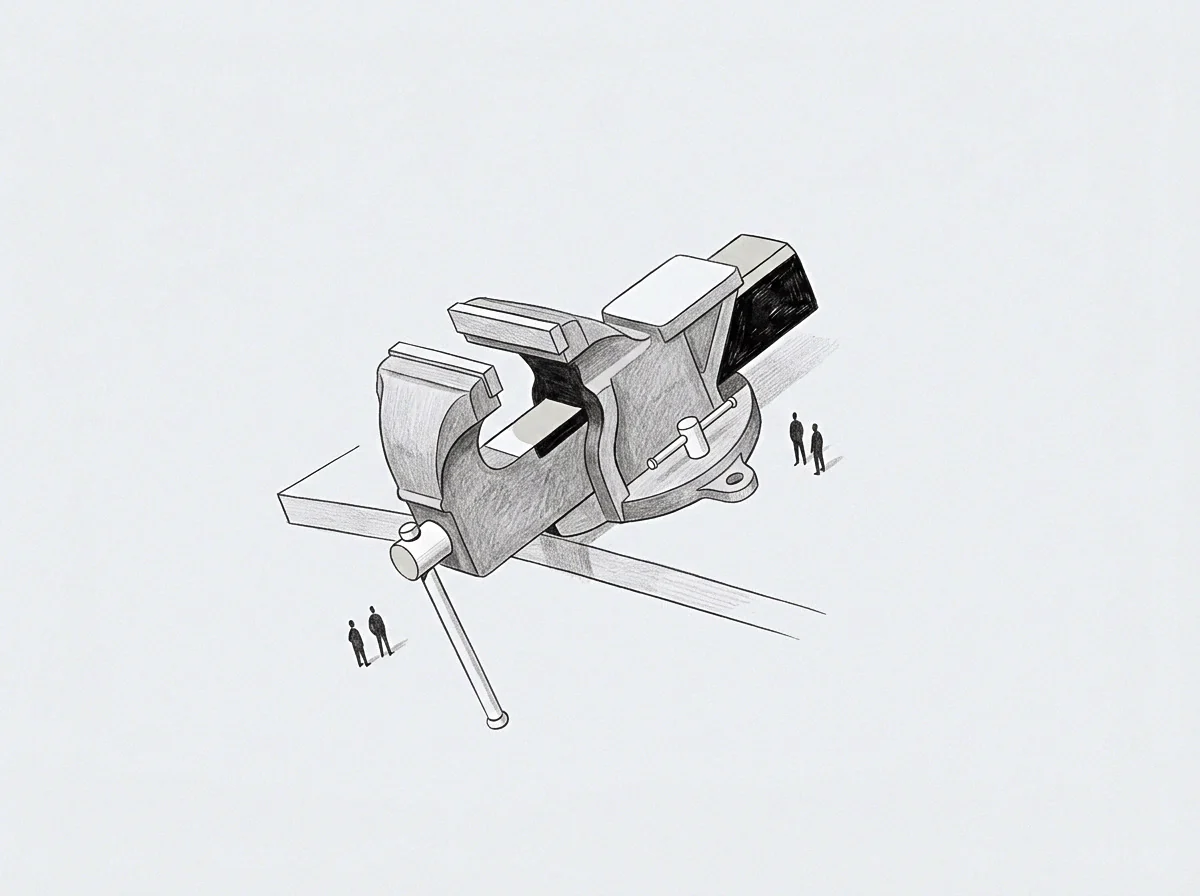
Unreciprocated leadership alarms force continuous prefrontal metabolic expenditure, burning executive neural reserves to subsidize organizational calm.
Post
Incoming emergency traffic arrives at odd hours through private channels. A lead investor leaves three urgent voice memos regarding board dissent between midnight and dawn. The technical co-founder sends five sequential paragraphs detailing infrastructure degradation at three in the morning, followed by a flat declaration that the deployment cannot hold.
Neither message requests specific technical assistance. Both communicate pure somatic distress, transferring acute panic to the person expected to maintain equilibrium. The recipient sits at an illuminated screen, reading escalating alarms while keeping heart rate, respiratory cadence, and tone deliberately flat.
The incoming distress is absorbed, damped down, and answered with quiet operational direction. No alarm travels back.
Human nervous systems operate as open loops that continually regulate against nearby bodies. Social baseline theory demonstrates that the mammalian brain budgets metabolic resources under the default assumption that other conspecifics are present to share load. When proximity to a dependable partner exists, neural expenditure dedicated to threat vigilance, prefrontal inhibition, and cardiovascular arousal drops sharply.
The baseline assumption of shared load breaks down in an asymmetrical organizational hierarchy. When an executive or technical lead offloads raw panic onto a founder, the recipient acts as an artificial shock absorber. The recipient dampens the sender’s sympathetic nervous system arousal without transferring any corresponding panic upward or laterally.
A biological system dampens incoming operational panic by spending prefrontal glucose that never appears on an operating ledger.
The asymmetry alters the direction of metabolic subsidization. In normal social proximity, two individuals mutually exchange regulatory signals through vocal tone, postural alignment, and facial feedback, lowering the net physiological burden for both participants. In unreciprocated leadership dynamics, the founder functions as an unyielding terminal.
The team discharges panic into that terminal, borrowing steady neural control from the person in the primary seat. The team walks away physiologically calmed, their anterior insula activity subdued and their heart rate variability restored. The person who supplied the stabilization absorbs the unbuffered allostatic hit alone.
Somatic Down-Regulation Under Asymmetric Load
Suppression of motor and expressive outputs during acute relational alarms carries a measurable biological toll. When acute threats strike an organization, staff members instinctively look to executive comportment to gauge survival probability. A tremor in the voice, an uncalculated hesitation, or visible motor agitation triggers panic cascades across an entire floor.
To prevent panic contagion, the primary operator forces somatic steadiness through intense dorsal vagal and prefrontal cortical intervention. Pupils are held steady, breath is manually deepened, and facial musculature is stabilized to simulate total control.
This deliberate somatic dampening arrests autonomic feedback loops. Under baseline conditions, autonomic arousal moves naturally into action or relational protest. An operator under unreciprocated load suppresses both pathways.
The sympathetic cascade releases norepinephrine and cortisol into the bloodstream, mobilizing glucose and elevating systemic blood pressure, yet the executive role forbids any physical discharge or reciprocal cry for help. The motor system remains frozen in an artificial posture of composure while the internal vascular bed remains intensely constricted. Sustained over weeks, this dynamic causes chronic vascular wear, microvascular endothelial strain, and persistent neuroendocrine exhaustion.
Someone needs to stay steady so the rest of the company can work without losing their heads.
Tax
Prefrontal cortical tissue burns circulating glucose rapidly when performing continuous inhibitory regulation. In functional magnetic resonance studies of threat processing, down-regulating an activated amygdala through cognitive reappraisal or expressive suppression demands massive prefrontal recruitment. When leadership teams offload raw anxiety, the operator cannot rely on automatic relational safety cues to quiet incoming alarms.
The executive brain must manually calculate framing, construct reassuring narratives, and govern every physiological display through top-down cognitive exertion. This sustained top-down governance drains cerebral metabolic reserves far faster than ordinary analytic calculation.
Cortical inhibition of autonomic terror depletes executive glucose reserves needed for long-range planning.
The metabolic strain deepens as unreciprocated alarms become standard operational protocol. When direct reports discover that discharging unresolved terror onto a senior operator immediately restores their own psychological safety, a permanent load-transfer pathway forms. The recipient is transformed into a specialized metabolic utility, absorbing disorganized relational waste and returning coherent strategic momentum.
The recipient undergoes sustained neural wear that impairs higher-order executive processing:
- Anterior Cingulate Erosion degrades systemic conflict detection and error signaling after months of continuous relational buffering, causing critical strategic omissions.
- Amygdala Hyper-Reactivity manifests as paradoxical autonomic panic during trivial operational lulls when top-down prefrontal inhibition briefly lapses.
- Executive Working Memory Depletion reduces the capacity to hold multiple competing variables simultaneously, forcing reliance on rigid, short-term heuristics.
- Vagal Brake Failure diminishes high-frequency heart rate variability, locking the cardiovascular system into rigid sympathetic dominance even during sleep.
The biological cost accumulates invisibly because outward operational composure masks internal systemic degradation. While the operating team marvels at executive resilience under existential pressure, the underlying neural architecture suffers allostatic overload. Synaptic dendritic spines within the medial prefrontal cortex retract under sustained glucocorticoid exposure, while the basolateral amygdala exhibits dendritic hypertrophy.
The physical brain reshapes itself around relentless, unsupported threat containment.

Sleep Disruption and Glial Clearance Failure
Nighttime recovery pathways deteriorate under persistent asymmetric alarm absorption. The human glymphatic system clears neurotoxic metabolic waste, including beta-amyloid and hyperphosphorylated tau, primarily during slow-wave non-rapid-eye-movement sleep. Sustained elevated nocturnal glucocorticoids destroy sleep architecture by preventing the sustained parasympathetic dominance required for deep slow-wave generation.
The founder remains trapped in light, fragmented sleep stages, experiencing micro-arousals every time cortisol spikes in response to unbuffered neural residue.
Glymphatic channels fail to expand without sustained delta-wave sleep. Interstitial metabolic debris lingers within cerebral parenchyma, accelerating chronic neural inflammation and producing persistent daytime cognitive clouding. The operator attempts to counteract this cognitive exhaustion with stimulants, which further elevates sympathetic tone and deepens nighttime sleep fragmentation.
Over multiple quarters, this cyclical failure of neural clearance converts acute operational stress into permanent neurobiological injury.
Uncorrected metabolic drainage leads directly to sudden cognitive collapse, sudden cardiovascular events, or catastrophic executive disengagement.
Wire
Internal wiring dictates how a person processes proximity and authority. In attachment theory, infants develop internal working models of relationships based on the responsiveness of primary caregivers. When caregivers are dependable, the developing brain builds an expectation that distress can be safely externalized, met, and regulated within a shared social field.
When caregivers are erratic, volatile, or fragile, the child learns that expressing alarm threatens the relational bond itself. The child discovers that survival requires becoming the emotional baseline for the adult, reversing the natural direction of social baseline regulation.
This inverted regulatory adaptation creates an adult professional who naturally functions as an unreciprocated shock absorber. The individual develops extraordinary competence at reading the physiological states of others, anticipating systemic distress, and supplying manufactured calm to stabilize volatile environments. This adaptation conceals a fatal neurological blind spot: the person lacks an accessible neural receptor slot for receiving stabilization from another human being.
When colleagues, investors, or partners offer genuine support, the input registers physiologically as an anomaly or a latent threat. The operator interprets offers of care as covert demands for further performance, tightening somatic control rather than allowing parasympathetic settling.
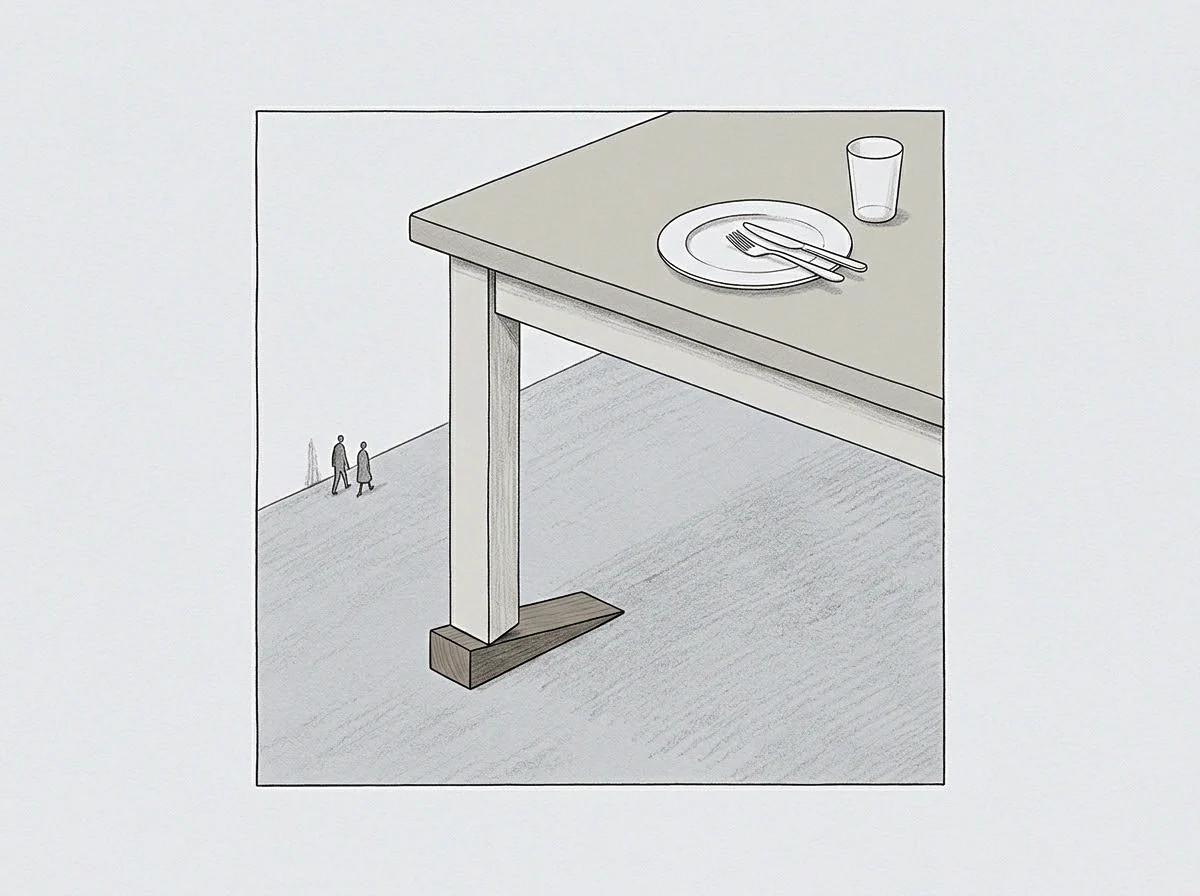
The Functional Blind Spot for Coregulation
Absorbing panic without reciprocating matches the learned childhood template precisely. The familiar somatic state feels like professional duty, ethical fortitude, and leadership competence. The individual mistakes the total absence of reciprocal care for natural autonomy.
The nervous system runs an ancient protocol where safety is purchased exclusively through unilateral strength. If the operator reveals personal terror, the entire structure will collapse, leaving the person utterly abandoned. The compulsion to remain the unmoving axis for everyone else is an ancient survival defense disguised as executive character.
A nervous system adapted to unilateral stabilization treats another person’s calmness as a demand for performance.
The delta over time reveals the destructive nature of this relational wiring. During the initial founding phase, unilateral steadiness yields immense organizational velocity. The founder absorbs every shock, calms every nervous hire, and shelters the fledgling firm from external market cruelty.
Five years into the venture, this same wiring creates an unbridgeable operational chasm. The team remains constitutionally dependent on executive stabilization, having never developed collective regulatory capacity. The founder sits isolated at the center of an expanding web of dependent relationships, biologically exhausted and privately embittered by the silence of the room.
A reliable indicator of inverted wiring is the immediate surge of vigilance that follows an offer of unconditional operational support.
Split
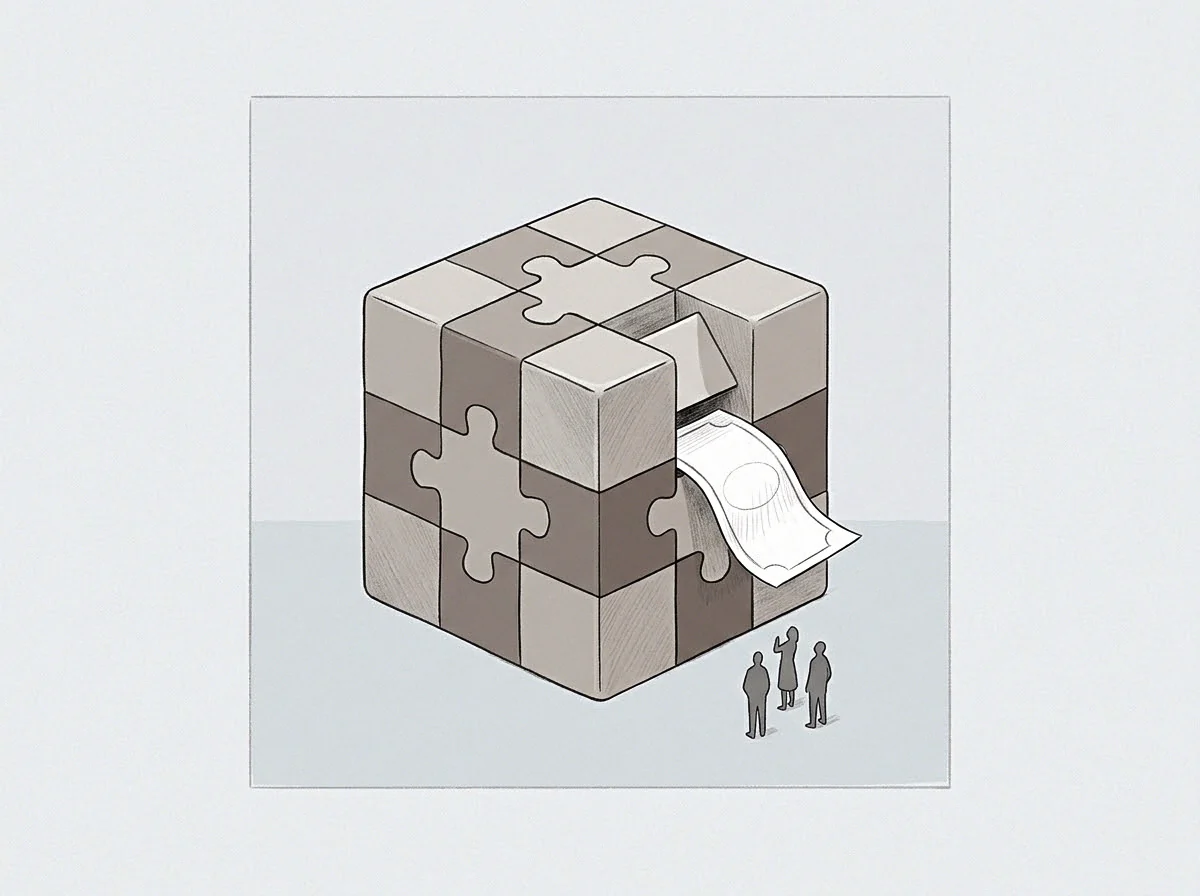
Unreciprocated relational dynamics cleave organizations into two distinct biological tiers. One tier consumes regulation; the other tier manufactures it without reimbursement. A team member enters the chief executive suite in a state of high agitation over a competitor launch, a delayed regulatory permit, or an engineering setback.
The executive listens attentively, validates the emotion, contextualizes the development, maps out decisive counter-actions, and absorbs the agitated affect. The team member exits the office noticeably lighter, breathing freely, and eager to execute. The executive remains behind the desk, silently processing the transferred cortisol burden.
| Interaction Dimension | Alarm-Discharging Party | Alarm-Absorbing Leader |
|---|---|---|
| Neuroendocrine Shift | Cortisol and epinephrine concentrations decline rapidly post-discharge | Cortisol and epinephrine rise or remain chronically elevated |
| Prefrontal Metabolic Cost | Minimal prefrontal inhibition expended; emotion externalized raw | Intense glucose expenditure for affective and expressive inhibition |
| Autonomic Trajectory | Parasympathetic recovery initiated through vocal validation | Sympathetic arousal maintained behind an artificial somatic mask |
| Psychological Experience | Relief, enhanced clarity, elevated psychological safety | Isolation, chronic vigilance, metabolic depletion |

Whose Calm Pays for the Unbuffered Hour?
The cost of manufactured organizational serenity is paid entirely by the neural tissue of the person who refuses to pass the panic along. When operational turbulence strikes, someone must bridge the gap between chaotic external reality and the psychological safety required for knowledge workers to function. If leadership does not absorb the shock, panic paralyzes the front lines, leading to employee turnover and strategic paralysis.
If leadership absorbs the shock unilaterally, the enterprise thrives while the founder burns out neurologically behind closed doors.
This structural split is worsened by contemporary management doctrines that emphasize absolute psychological safety for teams while remaining silent on the biological limits of the leader. Front-line workers are encouraged to bring their whole, unedited emotional reality to work, externalizing personal and operational anxieties without restraint. Leaders are expected to receive these chaotic emotional inputs with boundless empathy, radical presence, and perfect emotional poise.
This creates an extractive economy where lower organizational levels mine executive nervous systems for emotional stability, exhausting the leadership baseline to subsidize staff tranquility.
The employment agreement guarantees financial compensation for operational output, while covertly mandating continuous biological sacrifice for relational containment.
Containment
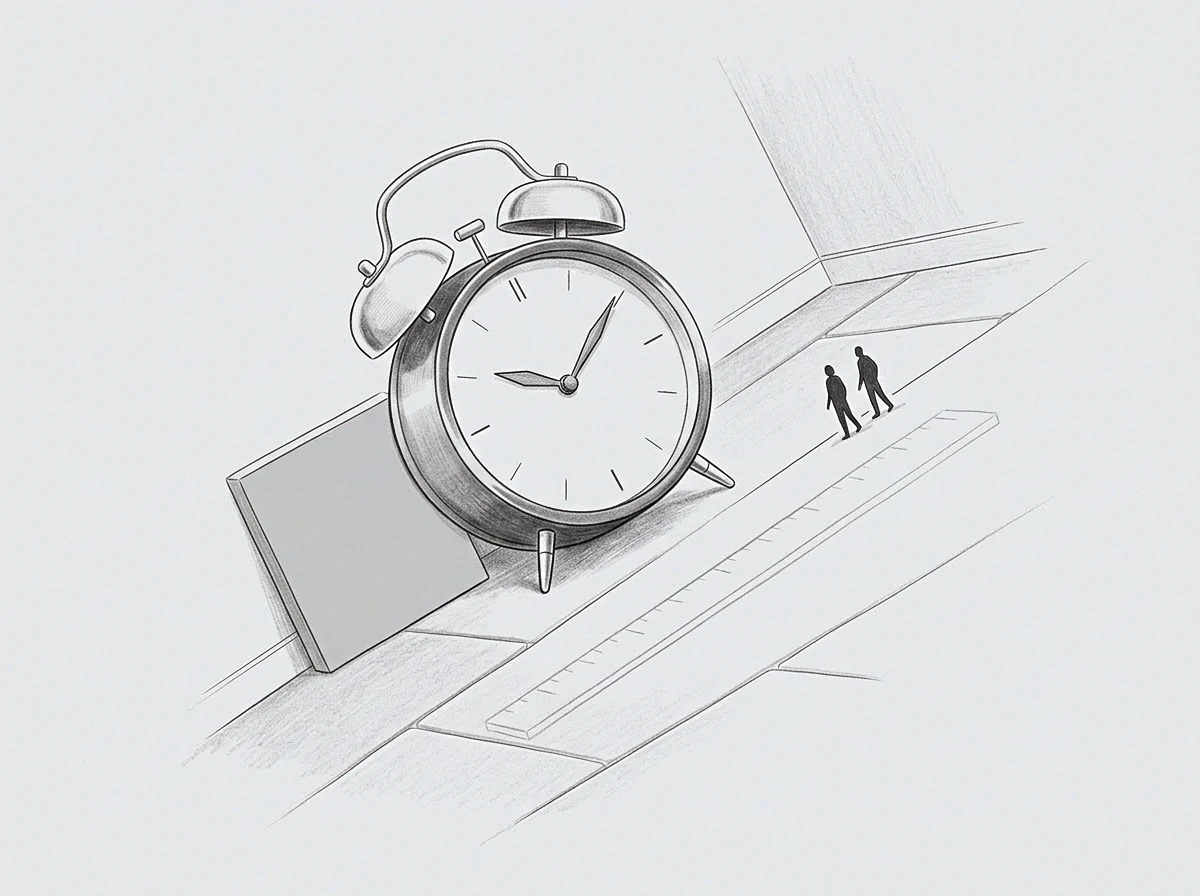
Ending unilateral neural extraction demands moving away from instinctive suppression toward deliberate operational architecture. An operator cannot simply decide to feel supported when their internal working model lacks the neural wiring to receive care. Knowing that one is biologically overdrawn does not reset the vagal brake.
Earned security requires actual, physical relational repetitions where distress is voiced, met with quiet competence, and shared across a durable boundary. That transition must begin with rigid structural containment of incoming alarms inside the commercial enterprise.
A stated limit on accessibility is the primary defense for a depleted nervous system. The executive must establish clear, non-negotiable communication gates that prevent staff, board members, and investors from dumping unbuffered emotional distress into private channels. Operational emergencies must follow structured protocols rather than frantic late-night telephone calls.
By forcing raw anxiety through structured communication layers, the operator halts the direct somatic transfer of panic, compelling direct reports to process their own affect before presenting operational problems.
A stated communication limit acts as an external circuit breaker when biological regulation capacity reaches ceiling.
The operator must actively assemble an external regulatory baseline composed of individuals who demand nothing. This external baseline cannot consist of employees, dependent family members, or investors with financial stakes in the enterprise. It requires peers who have sat in the same seat, understand the specific somatic weight of existential responsibility, and possess sufficiently robust neural architecture to hold distress without wavering.
In the presence of a true peer who offers unshakeable presence, the executive prefrontal cortex can finally disengage its relentless inhibitory brake, allowing deep autonomic settling.
Whether an executive who built an entire commercial empire upon unilateral stabilization can ever fully trust a peer enough to let the nervous system rest remains an unresolved biological frontier.