Meaning
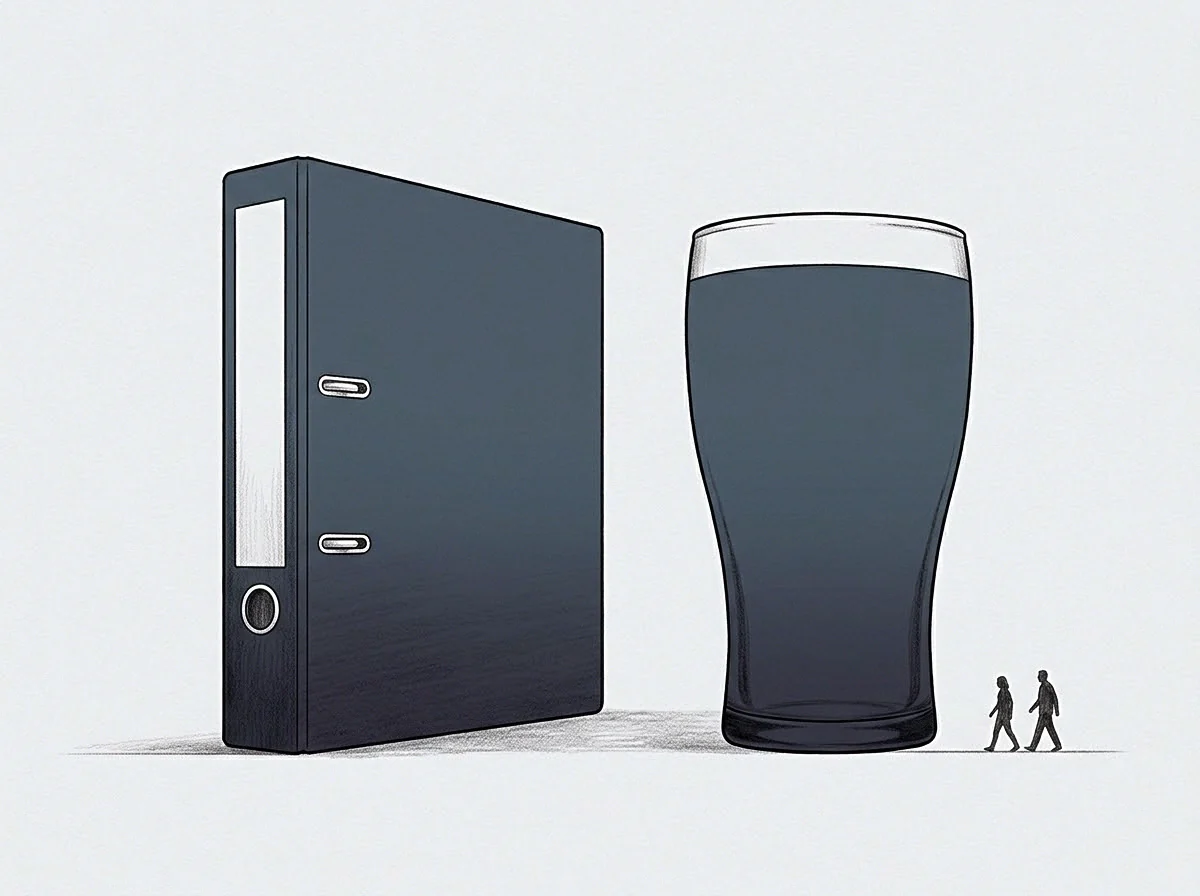
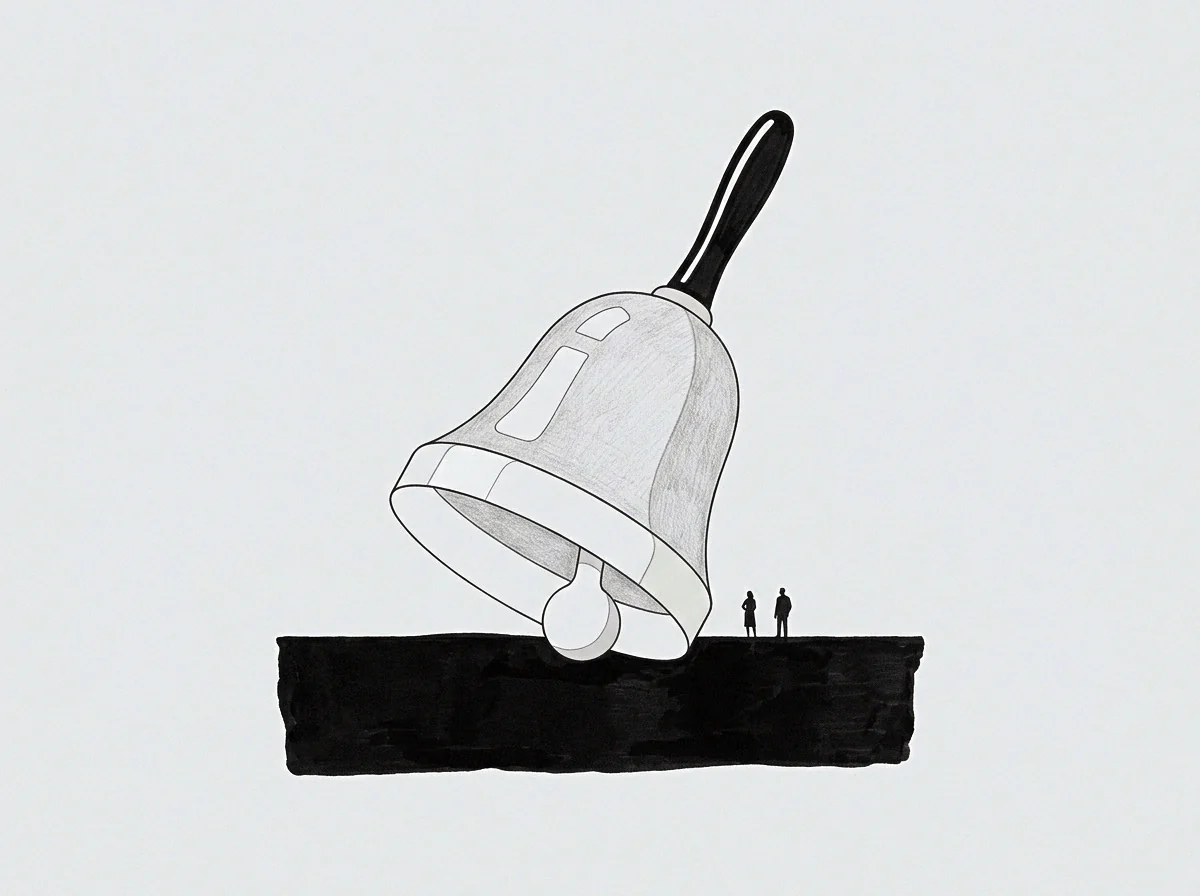
Physiological activation of the sympathetic nervous system defines the baseline for how human bodies prepare for intense exertion or threat. This autonomic arousal functions as a rapid biological shift toward fight or flight responses through the release of catecholamines and the elevation of heart rate. It exists as a finite capacity within the body that dictates how much demand an individual can handle before performance begins to degrade.
Regulation Cost
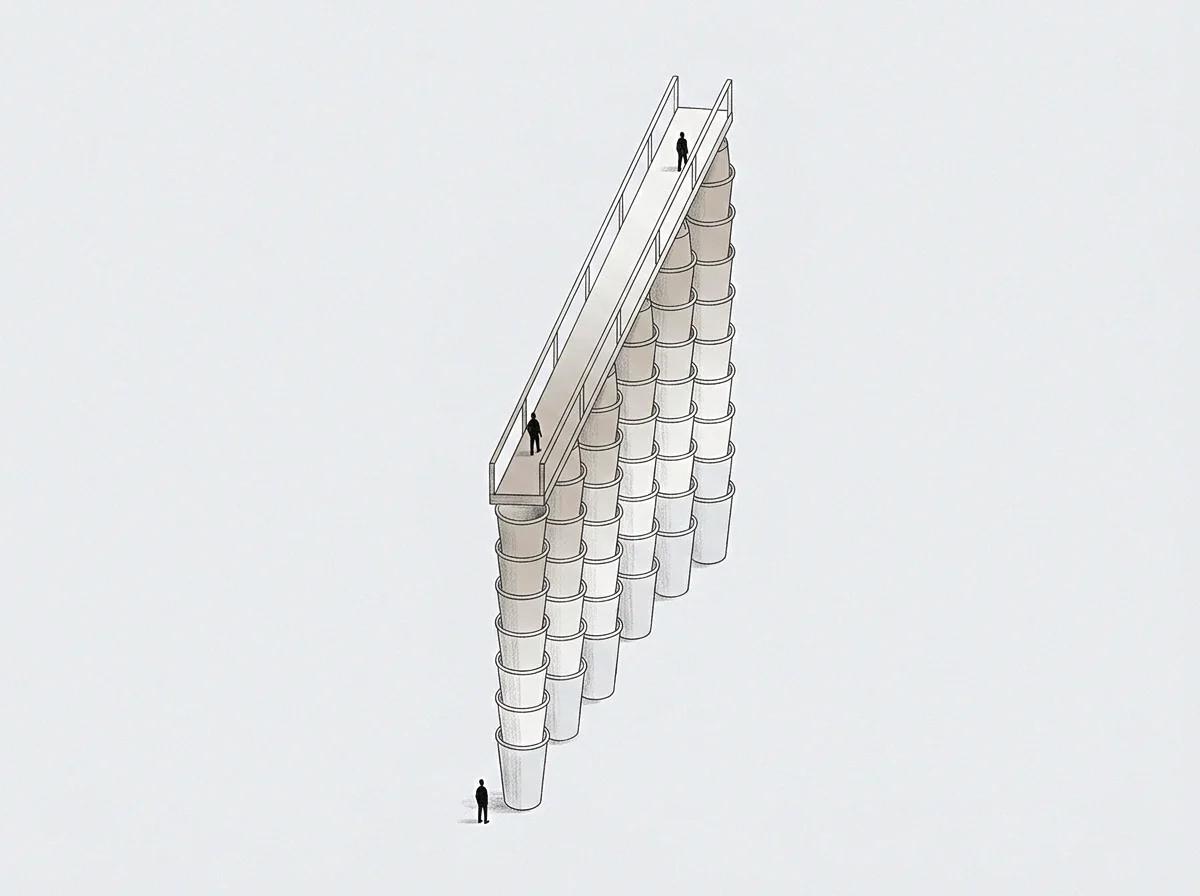
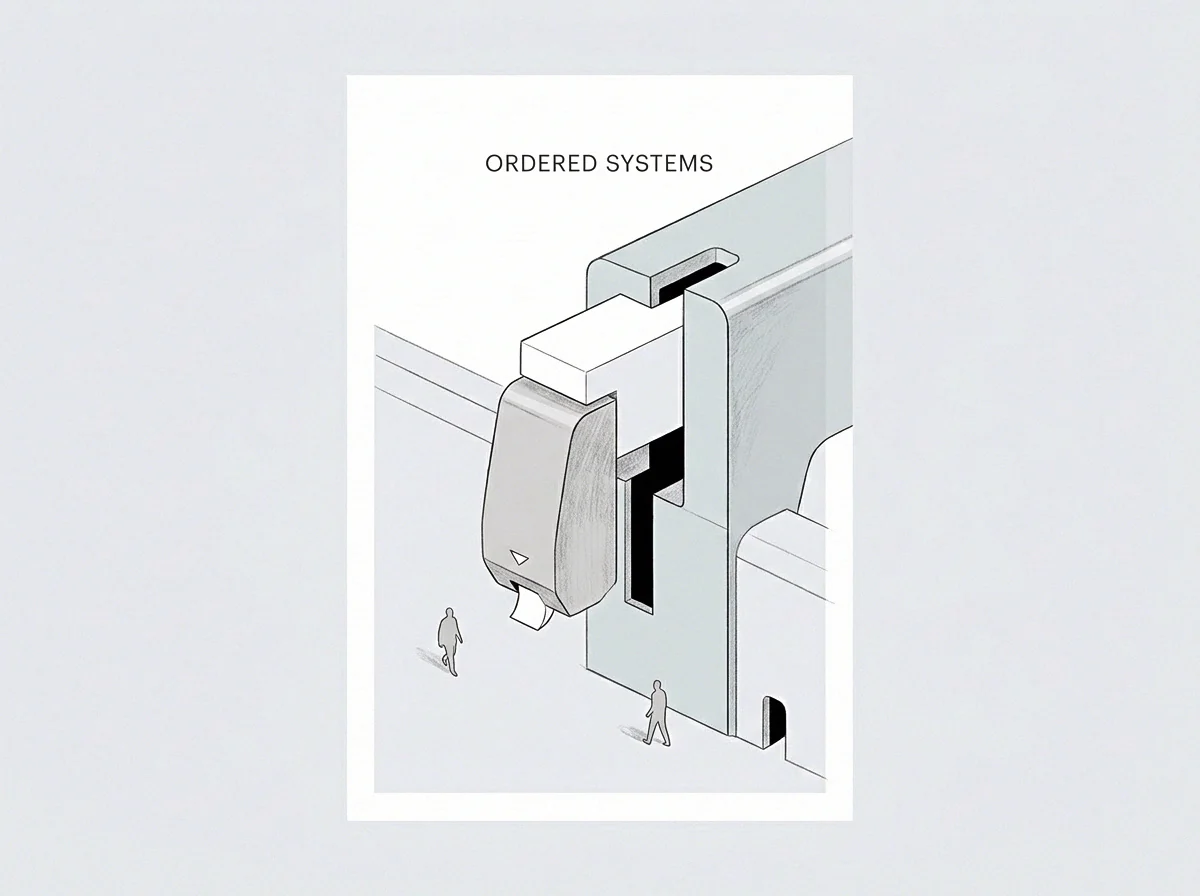
Managing this internal output requires significant metabolic and neural energy from the founder. Each sustained period of elevated reactivity subtracts from the total availability for high-level decision tasks or analytical work. Chronic elevation creates a deficit that forces the body to prioritize basic survival mechanisms over complex executive functions.
System Limit
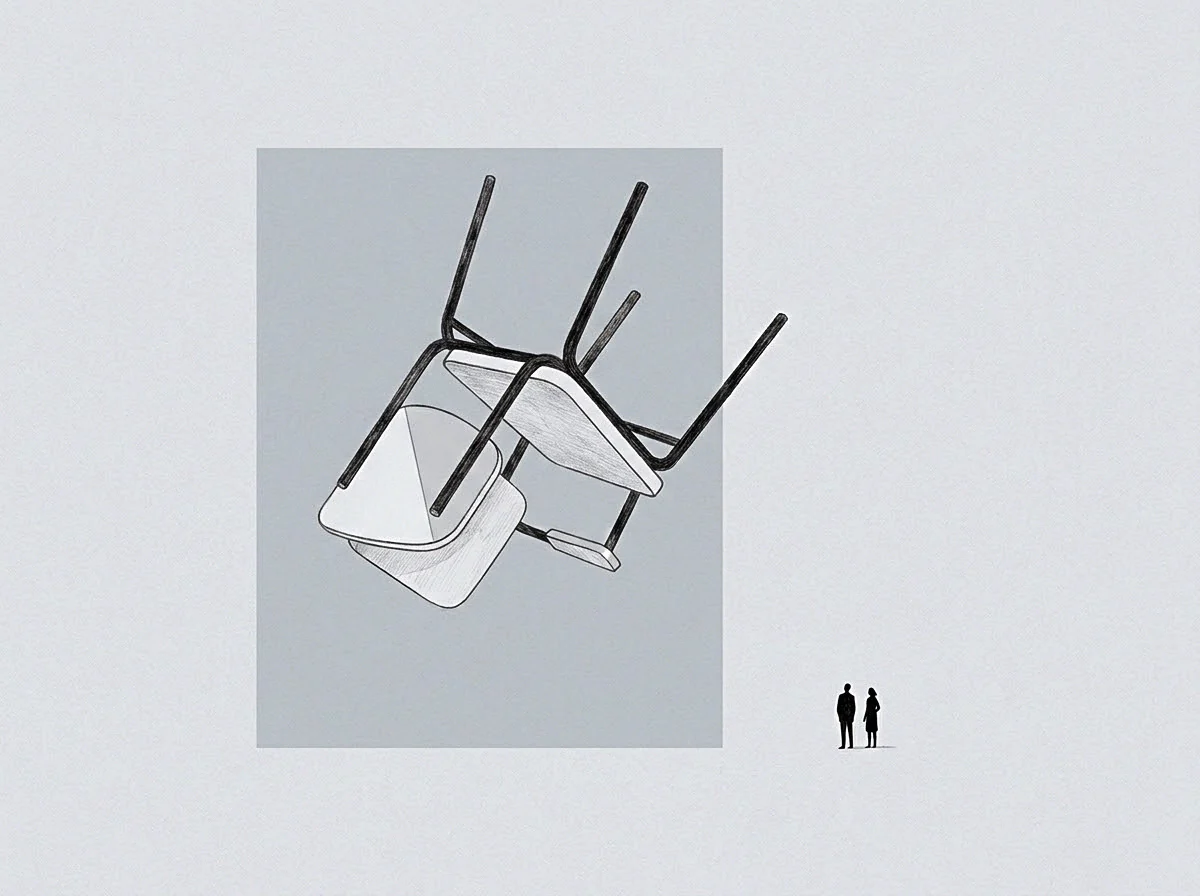
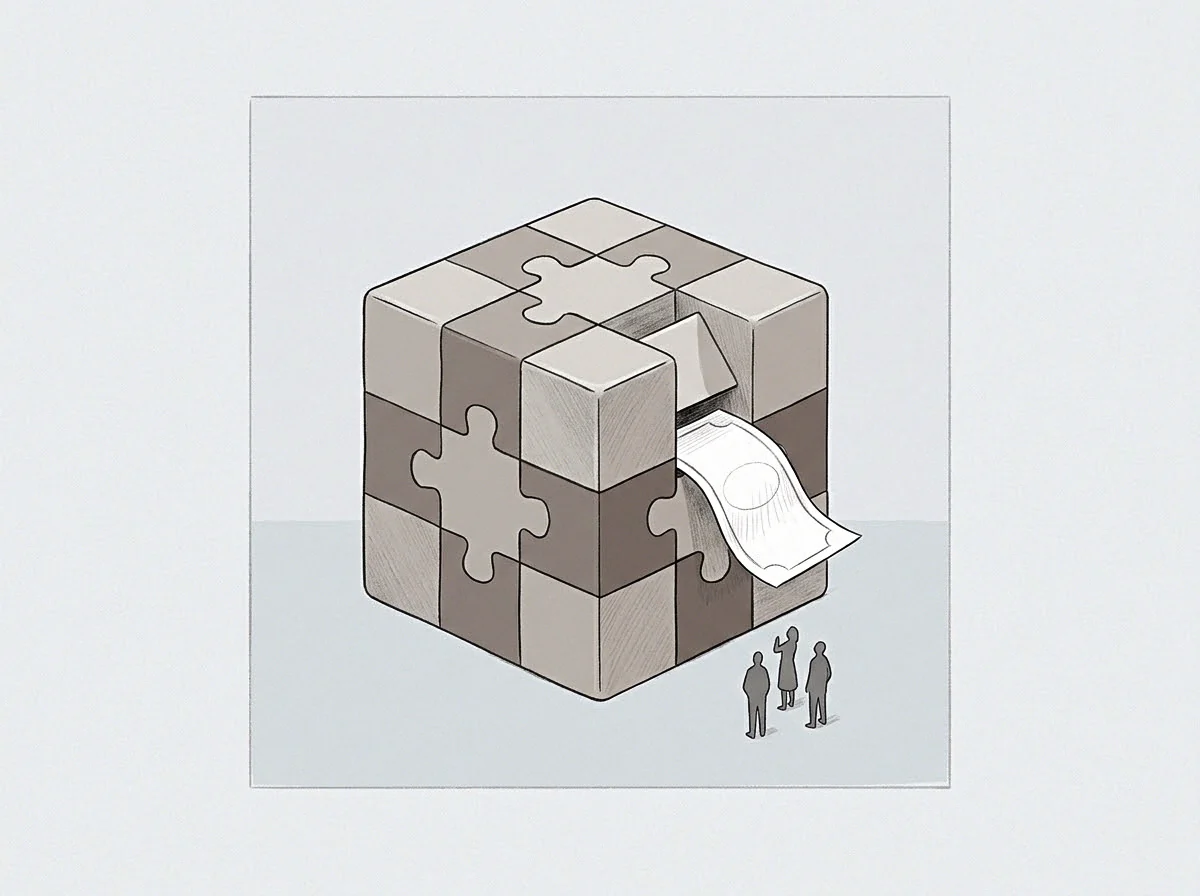
High levels of sustained activity lead to a reduction in the threshold for involuntary reaction to external stressors. Once the nervous system enters a state of near constant activation, the individual loses the ability to discern between minor operational frictions and genuine crises. This reduced sensitivity makes neutral events appear as high-stakes challenges, forcing a cycle of constant reactivity.
Control Mechanism
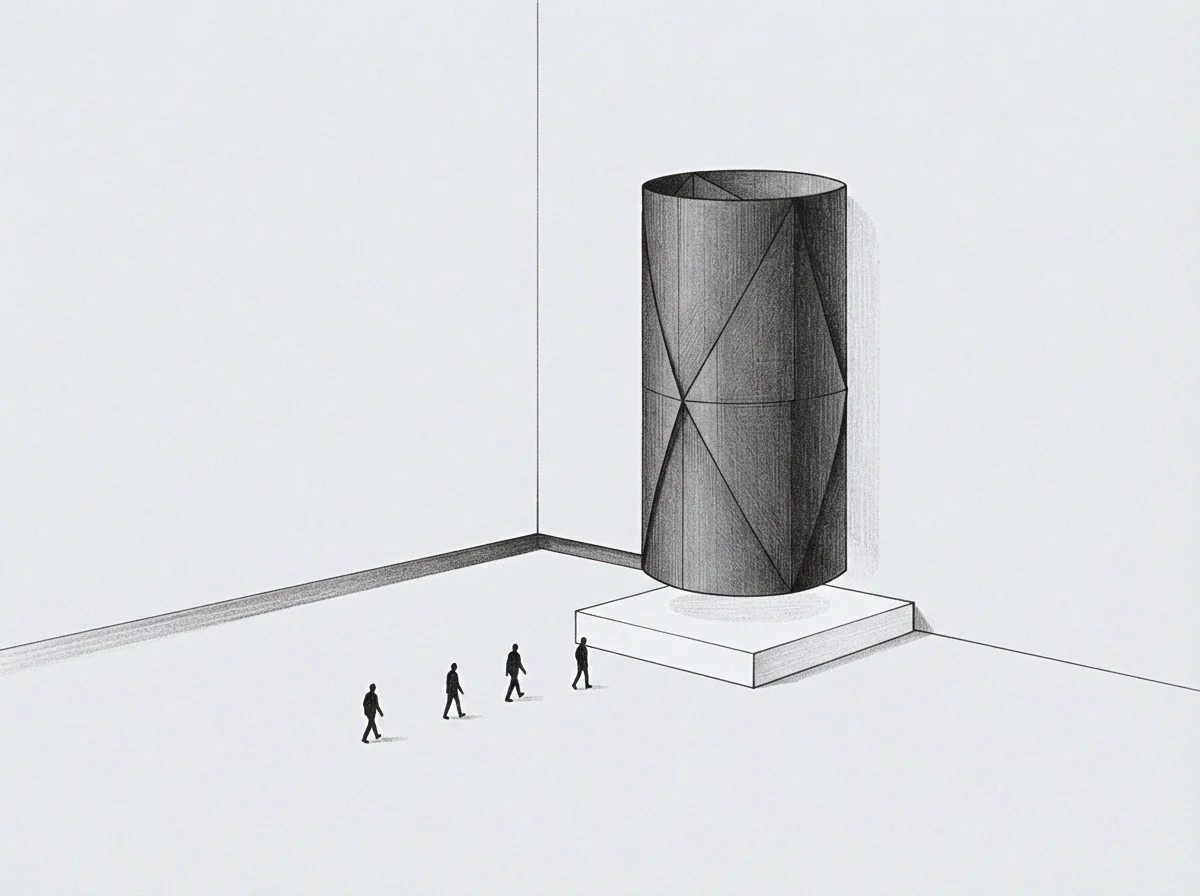
Short-term recovery relies on external cues that signal safety and permit a return to homeostatic rest. Founders often find that environmental changes or physical exertion outside of the primary work setting provide the necessary input to force a recalibration of internal outputs. Regular shifts in the operational environment prevent the accumulation of this load and preserve total capacity for sustained periods of high performance.