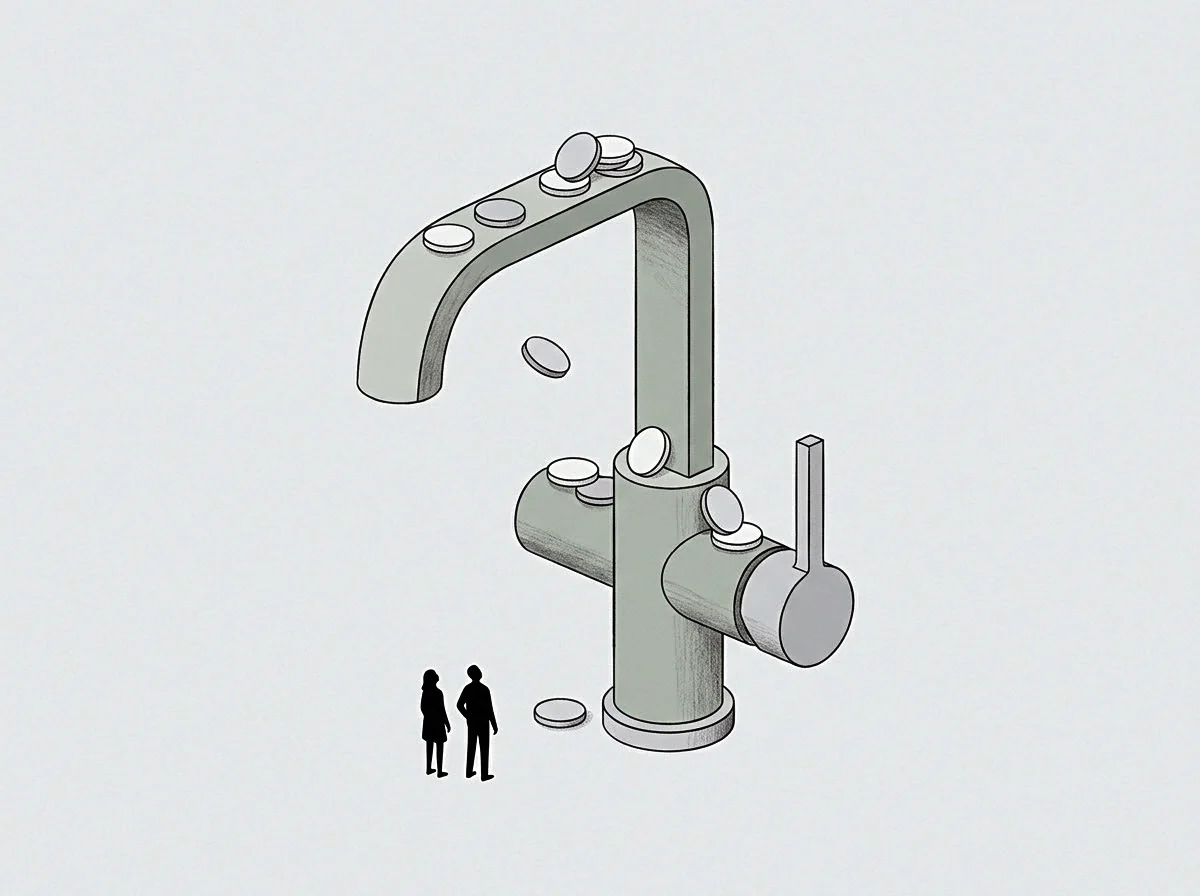
Meaning
One-way transmission of regulatory or operational demands without complementary metabolic support extracts capacity from a single stabilizing agent. Within human systems, unreciprocated load occurs when one party consistently absorbs ambient anxiety, resolves systemic exceptions and stabilizes operational dynamics while counterpart nodes offer zero reciprocal buffering. The condition becomes unsustainable when cumulative demands exceed the individual host node’s endogenous replenishment rate.
Asymmetric Demand
Unequal structural relationships place severe functional strain on central coordinating nodes. Bearing an unreciprocated load forces the responsible operator to provide continuous emotional dampening and cognitive structuring for a surrounding organization that gives back no stabilizing feedback. This asymmetry leaves the stabilizing node permanently exposed to high-entropy inputs, draining metabolic reserves that should support personal recovery.
The provider operates as an uncompensated shock absorber for the surrounding ecosystem.
Capacity Erosion
Unilateral regulatory absorption degrades physiological integrity and operational effectiveness over time. Chronic exposure to unreciprocated load accelerates allostatic wear, elevating resting blood pressure, disrupting neuroendocrine cycles and causing deep intellectual exhaustion. As internal reserves dwindle, the operator loses the capacity to execute sophisticated strategic tasks, becoming restricted to reactive triage and defensive operational throttling.
The systemic failure to balance load distribution inevitably leads to acute functional burnout.
Relational Boundary
Preventing complete exhaustion requires enforcing strict structural limits on availability and intervention. Terminating an unreciprocated load involves establishing rigid operational boundaries, offloading peripheral emotional management and allowing lower-tier systems to experience the natural consequences of their own instability. Without these protective boundaries, the host node faces inevitable systemic collapse, which simultaneously destabilizes the dependent operational architecture.
Sustainable operations require balanced regulatory reciprocity across all organizational nodes.