
Solo Hyper Vigilance And Social Baseline Regulation Costs
Solitary threat monitoring forces continuous autonomic elevation, whereas social baseline proximity distributes regulation costs across trusted counterparties.
Solitary threat monitoring forces continuous autonomic elevation, whereas social baseline proximity distributes regulation costs across trusted counterparties.

Receptor downregulation under chronic overload throttles receptive neural pathways, making incoming dyadic calm register as sensory load during reentry.
Deep strain floods threat networks, suppressing prefrontal channels and blocking the neural slots required to process external calm as a physiological subsidy.
Internal working models update when repeated physical co-presence without operational demand lowers the metabolic cost of neural threat regulation.

Relational maintenance demands consume executive bandwidth through chronic coregulation, elevating allostatic load until structural availability gates bound open interpersonal threads.

Unilateral containment forces continuous sympathetic activation in high-load operators until explicit relational safety signals enable visceral parasympathetic recovery.

Solitary leadership recalibrates neural threat processing by elevating baseline vigilance while constricting relational capacity through unshared regulatory load.
Intellectual understanding fails to soothe autonomic threat because subcortical regulation requires repeated relational safety signals rather than cognitive insight.

Shared operational hazard links co-founder nervous systems, replacing parasympathetic regulation with sustained sympathetic baseline threat activation.

Structural pressure forces co-founders to share autonomic regulation costs, shifting threat processing load onto the partner displaying lower physiological reactivity.
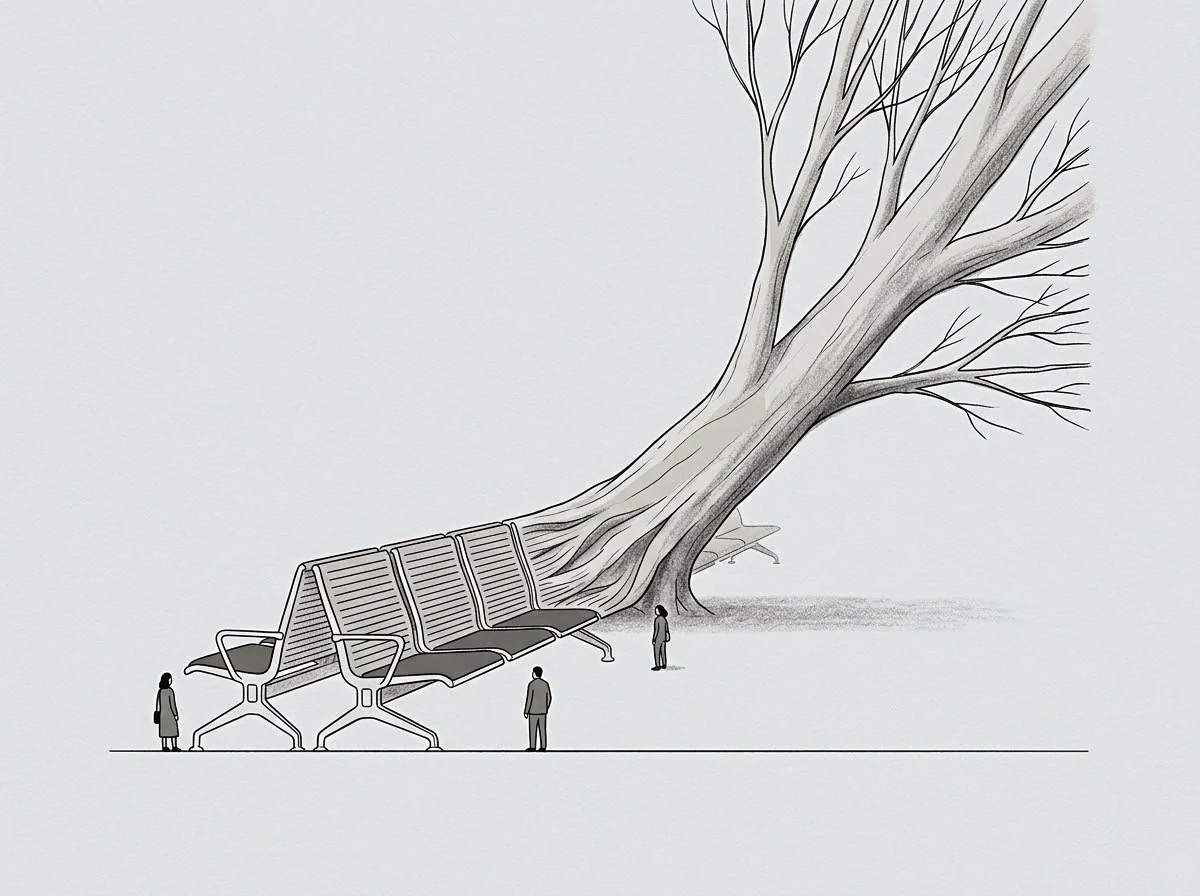
Social baseline theory demonstrates that executive allostatic burnout occurs when continuous solo regulation forces perpetual neural overdraft without co-regulatory relief.
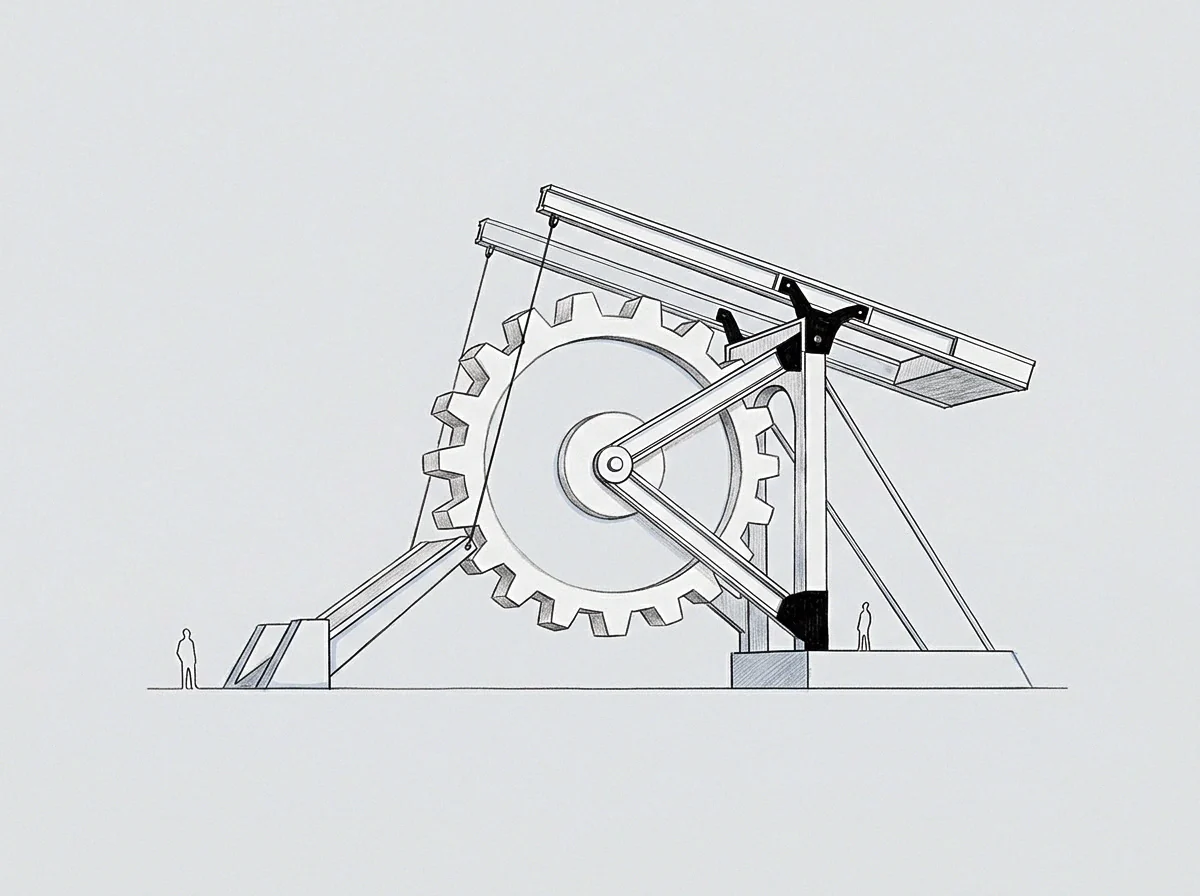
Extended solitary operation shifts the neural baseline, converting human proximity from a metabolic discount into an energetic cognitive tax.
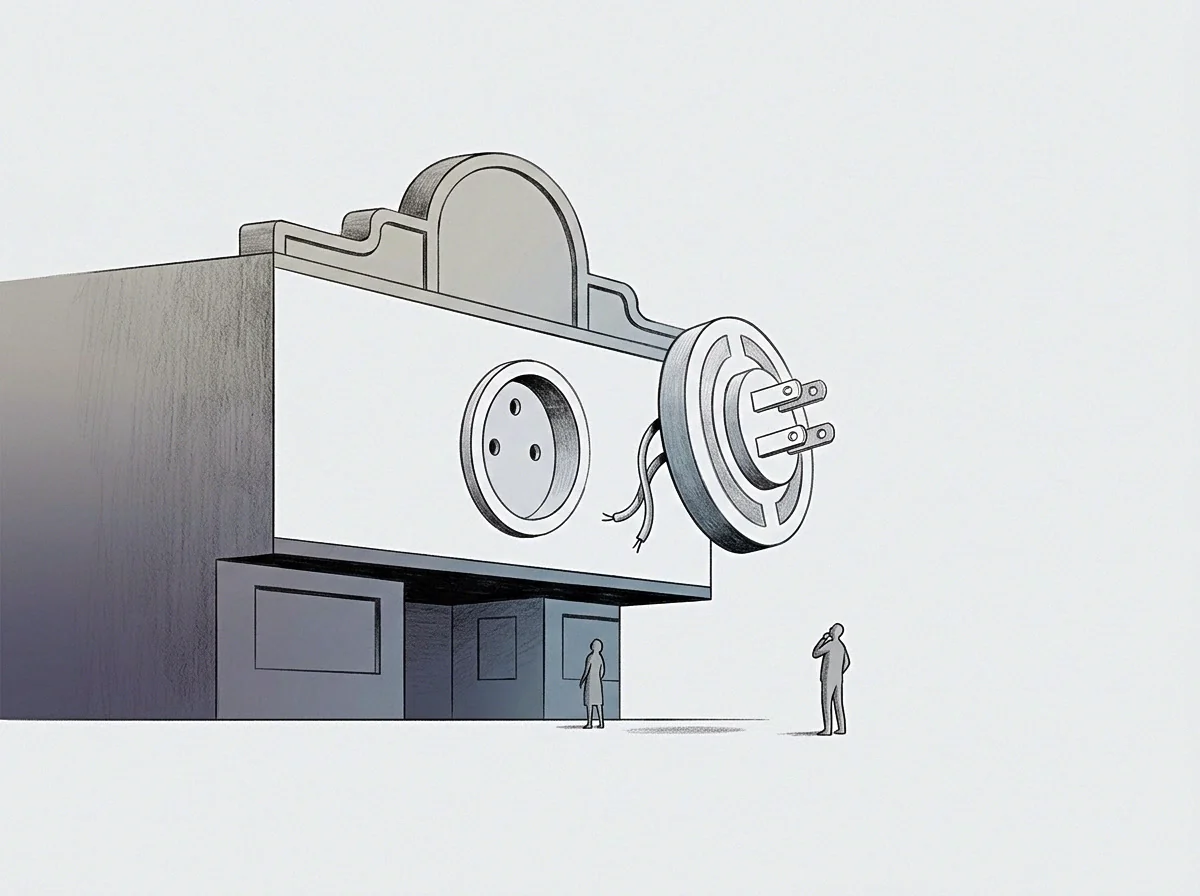
Extended solo building forces the nervous system into high-cost solo regulation, requiring repeated sensory proximity to rebuild capacity for co-regulation.
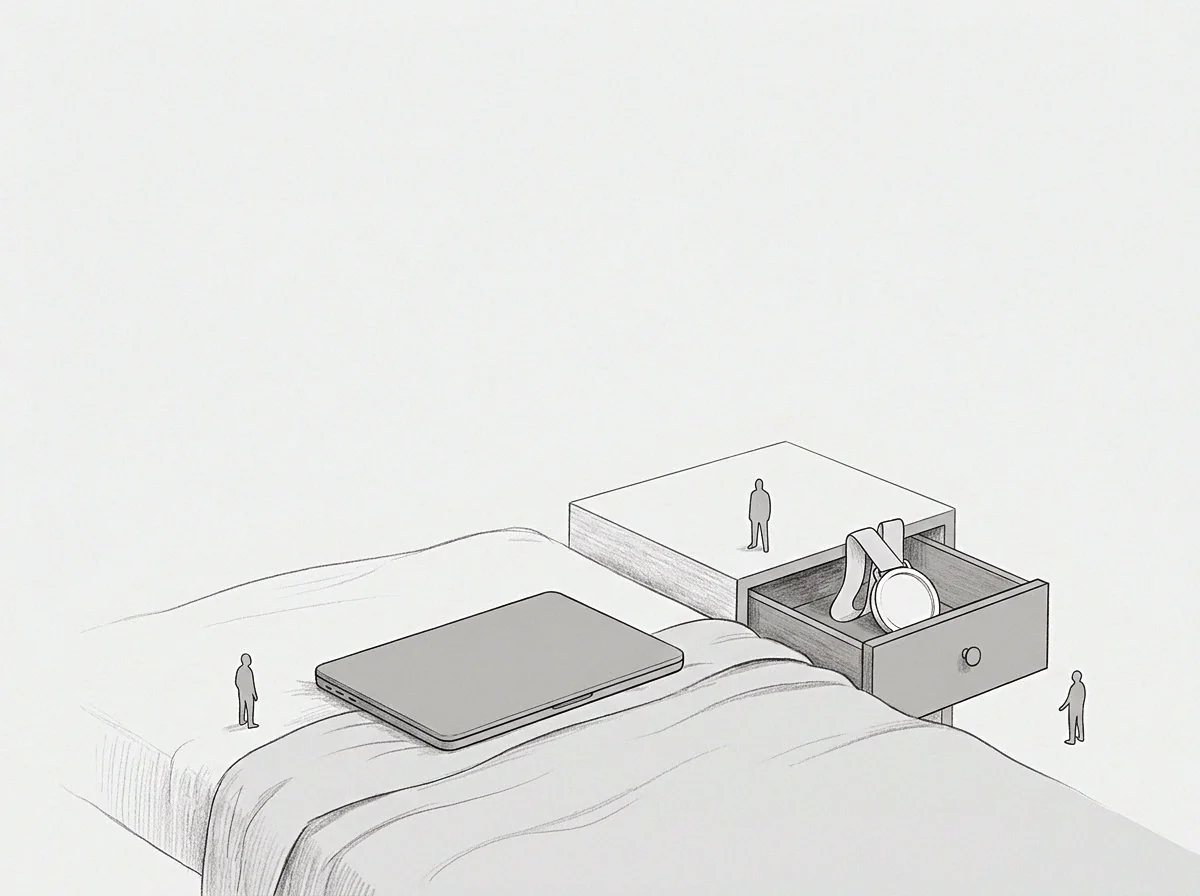
Shared social proximity lowers biological threat monitoring expenditure, while solitary leadership regulation transfers the metabolic tax entirely to the central anchor.

Prolonged isolation dismantles autonomic receptive capacity by down-regulating vagal circuits, converting co-regulation into a perceived metabolic threat.

Solitary self-regulation forces the prefrontal cortex to fund threat mitigation from internal metabolic stores without the energy savings of physical proximity.
The terms are written where they belong. Each field holds three desks, and every entry a desk writes raises the terms it uses, each term given a meaning, a mechanism and the places it appears. The record on these pages stays first person and hand made; the fields grow the nomenclature.