Meaning
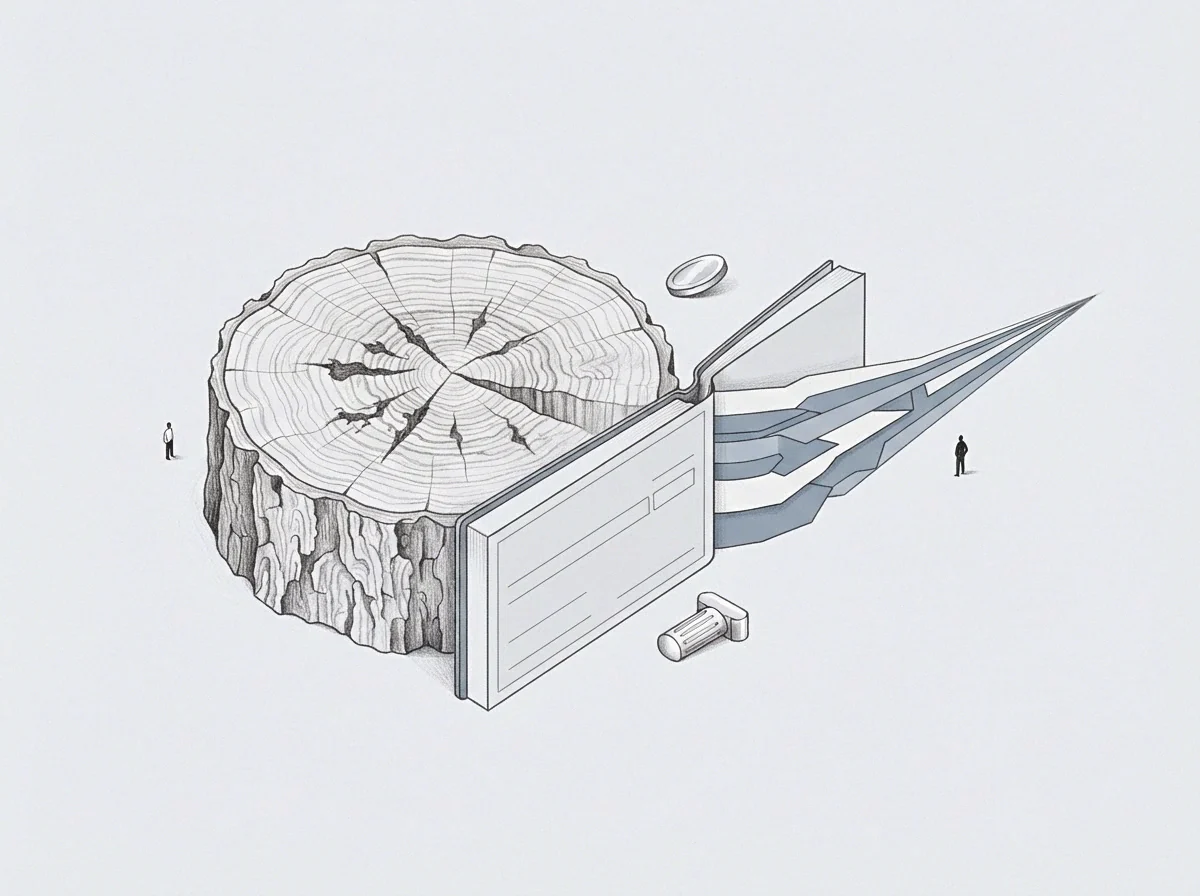
A non-explicit boundary that prevents further advancement or expansion within a system operates as a hidden structural constraint. Even when no formal rules exist, an unspoken ceiling limits the influence a person can exert after they have moved past the initial founding phase. It is often created by the expectations of investors or the existing culture of the board.
This barrier is felt through the rejection of new ideas or the limitation of budget.
Invisible Barrier
Resistance within the organization shows that the person has reached the edge of their allowed domain. The Invisible Barrier of unspoken ceiling is often discovered by accident when a previously successful strategy suddenly stops working. It marks the transition from being the creator to being a manager.
Structural Resistance
Organizations naturally seek stability and will push back against anyone who tries to change the direction too quickly. The Structural Resistance of unspoken ceiling is the immune response of a company to the person who built it. This pushback is not personal but is a function of the system’s desire to preserve its current state.
It limits the ability of the leader to evolve the business model.
Influence Limitation
Reaching the top of the hierarchy does not mean having unlimited power. The Influence Limitation of unspoken ceiling means that the person must now negotiate for every change rather than decreeing it. It is the final limit on individual agency.