
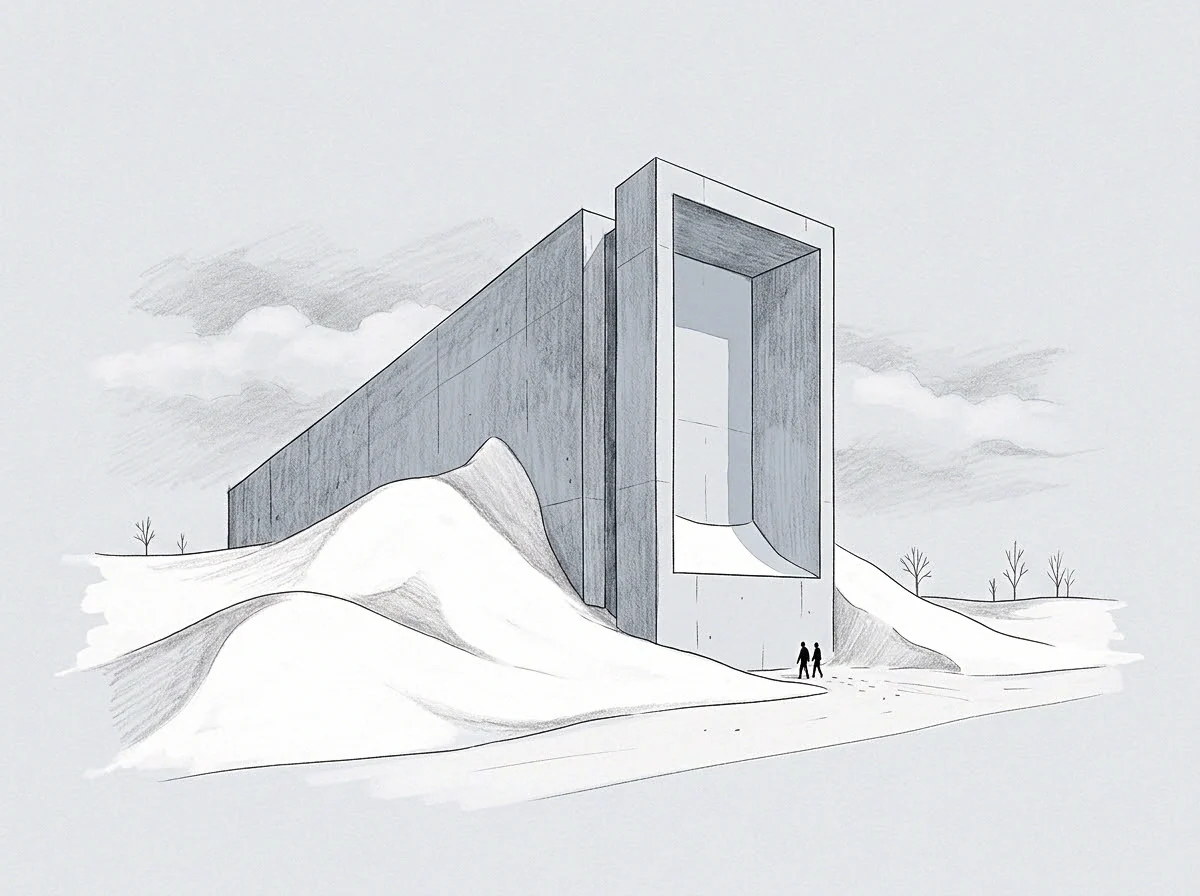
How Social Baseline Theory Explains Leadership Load Distribution in Teams
Social baseline theory shows human brains treat proximate reliable state as energy savings, concentrating operational strain onto whoever remains regulated.
Social baseline theory shows human brains treat proximate reliable state as energy savings, concentrating operational strain onto whoever remains regulated.
Stating explicit intake terms creates structural boundaries that throttle incoming operational demands and protect cognitive capacity from unbounded task sprawl.
Isolated nervous system regulation forces the brain to spend extra metabolic energy on self-soothing, accelerating physiological wear under operational load.
Operational concurrency limits trigger protective task throttling, whereas clinical major depressive episodes reflect a systemic breakdown of affective regulation.
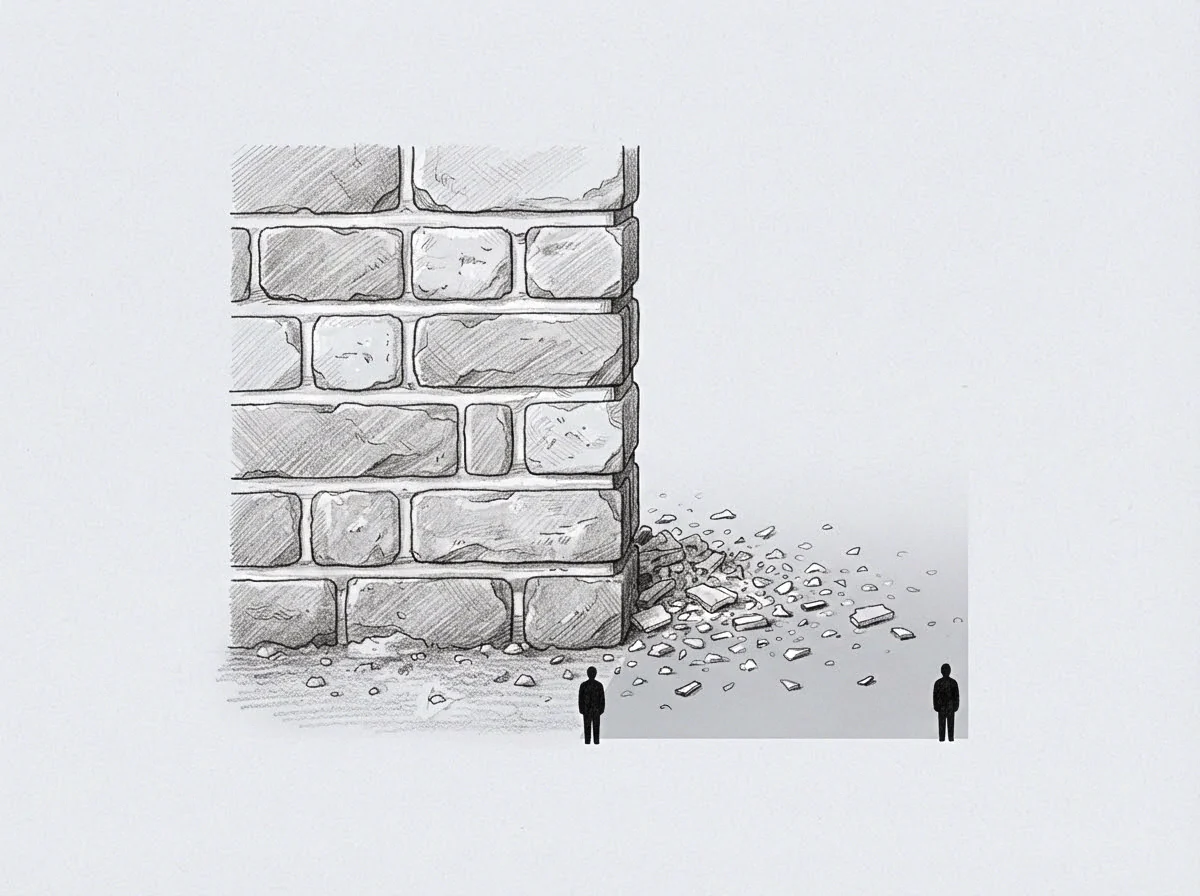
Internal working models update only when unhedged, symmetrical operational risk forces the brain to abandon expectations of solitary threat absorption.
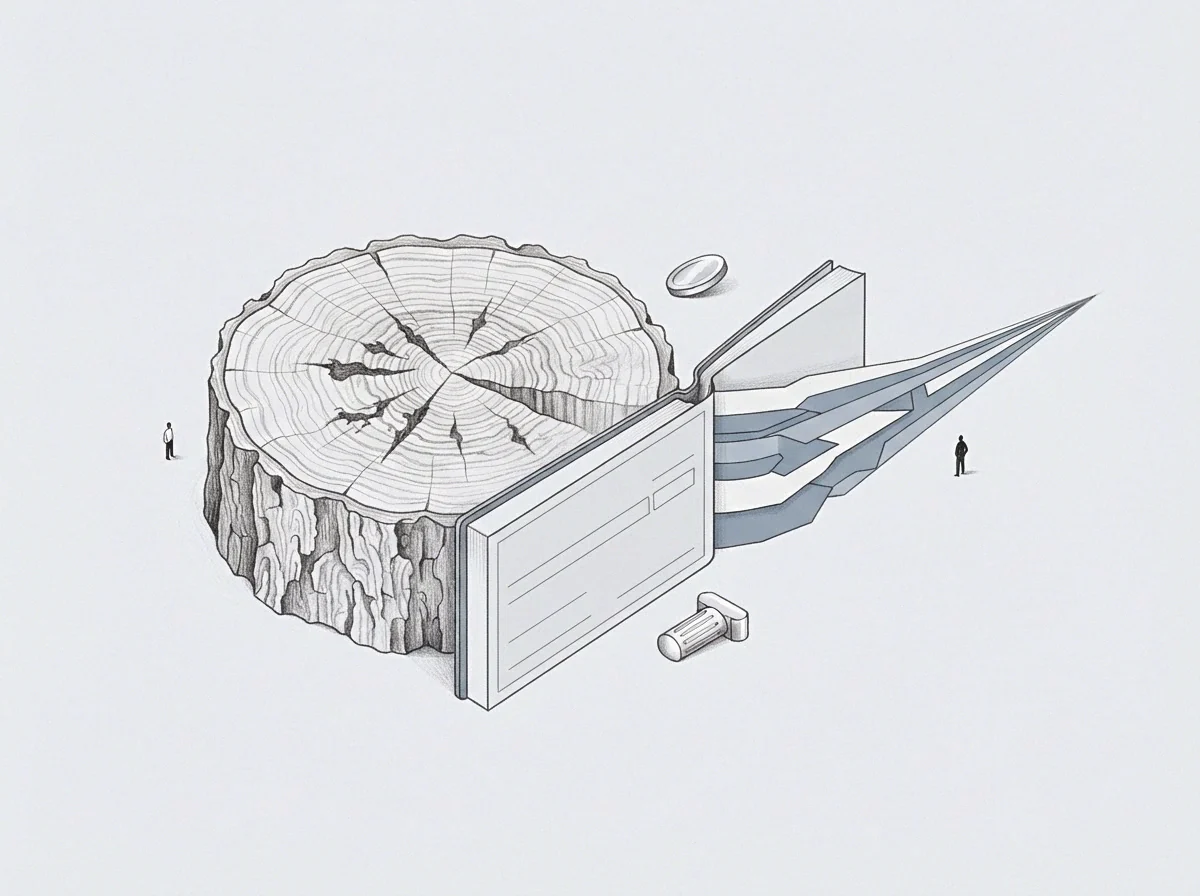
When company builders act as an emotional baseline without stating capacity caps, team stability relies on borrowed calm that exhausts executive neural reserves.
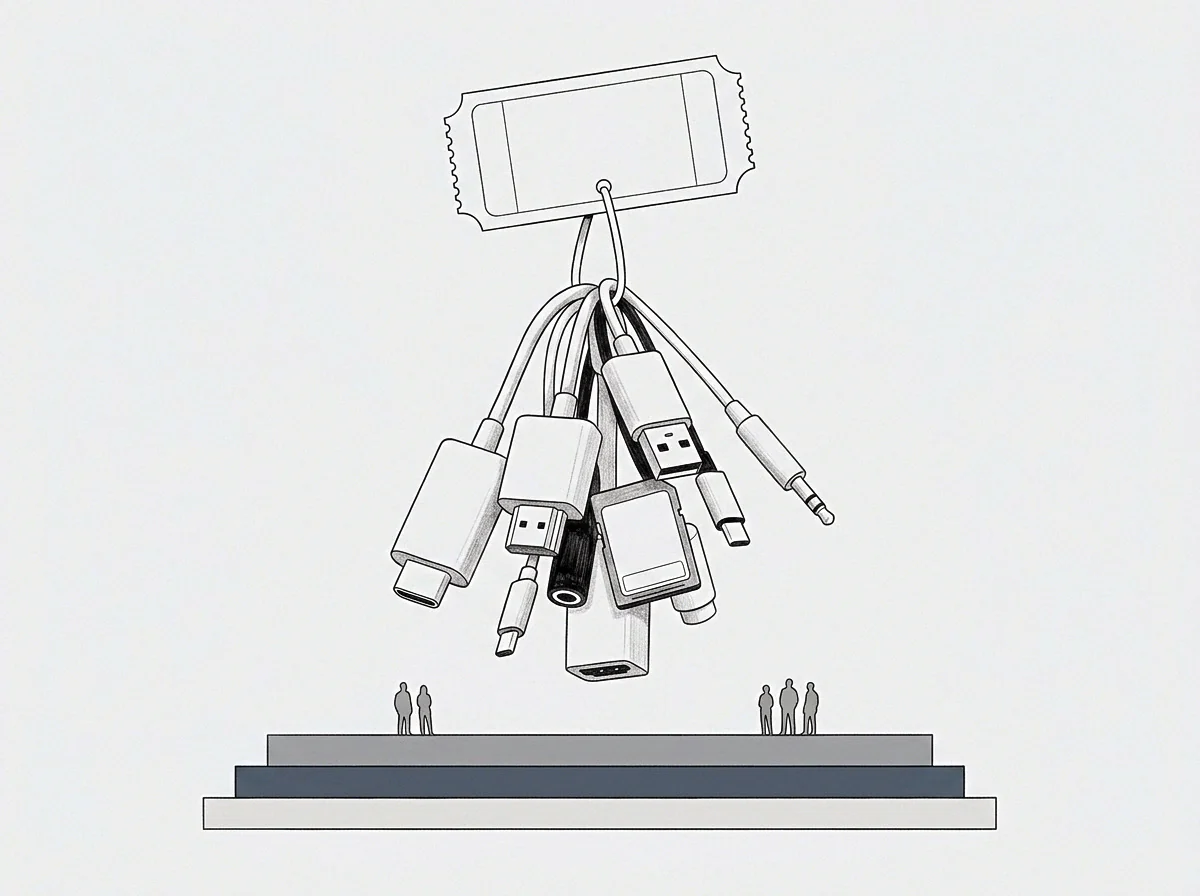
Decoupling scaling leadership seats shifts execution from personal founder regulation to structural limit walls and state gated operational handovers.
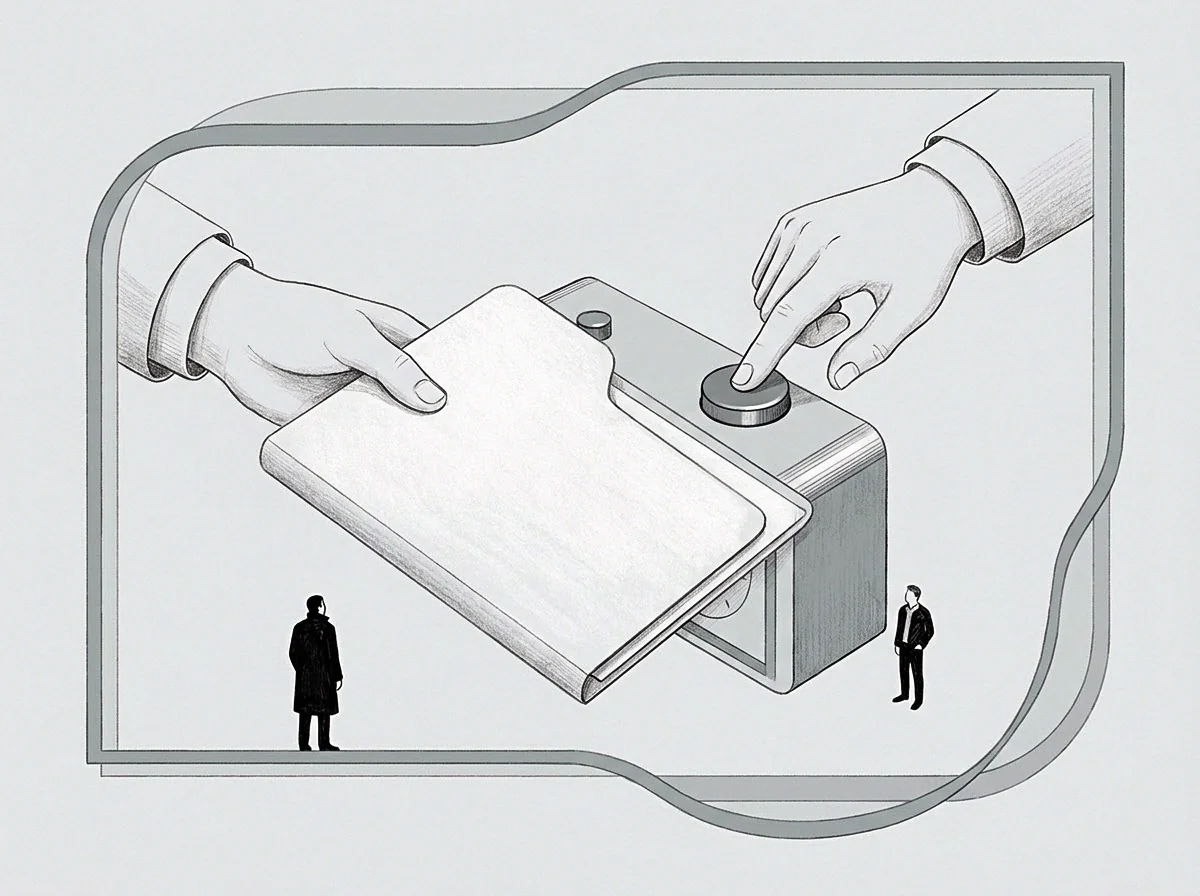
Biological allostatic load reflects cumulative physiological wear from chronic stress, whereas clinical depression involves primary mood and cognitive disruption.
Structural gating protocols preserve executive autonomic headroom by converting continuous real-time coregulation into bounded asynchronous communication threads.
Structural pressure forces co-founders to share autonomic regulation costs, shifting threat processing load onto the partner displaying lower physiological reactivity.

Internal working models govern executive regulation budgets by dictating whether stress is shared through co-regulation or paid individually via allostatic load.
The terms are written where they belong. Each field holds three desks, and every entry a desk writes raises the terms it uses, each term given a meaning, a mechanism and the places it appears. The record on these pages stays first person and hand made; the fields grow the nomenclature.