Meaning
Autonomic equilibrium defines the physiological baseline that governs the nervous system during prolonged periods of high stress after founding. This somatic baseline determines the energetic cost of daily operations by setting the resting threshold for sympathetic activation and recovery. Regulatory capacity depends entirely on this physiological standard because deviations from the set point consume available hours and attention before ordinary work begins.
The mechanism operates through continuous vagal tone modulation which either preserves bodily capacity or drains it through unremitting muscular and endocrine tension. Boundary conditions apply strictly at the point where chronic arousal shifts into systemic exhaustion and metabolic efficiency collapses.
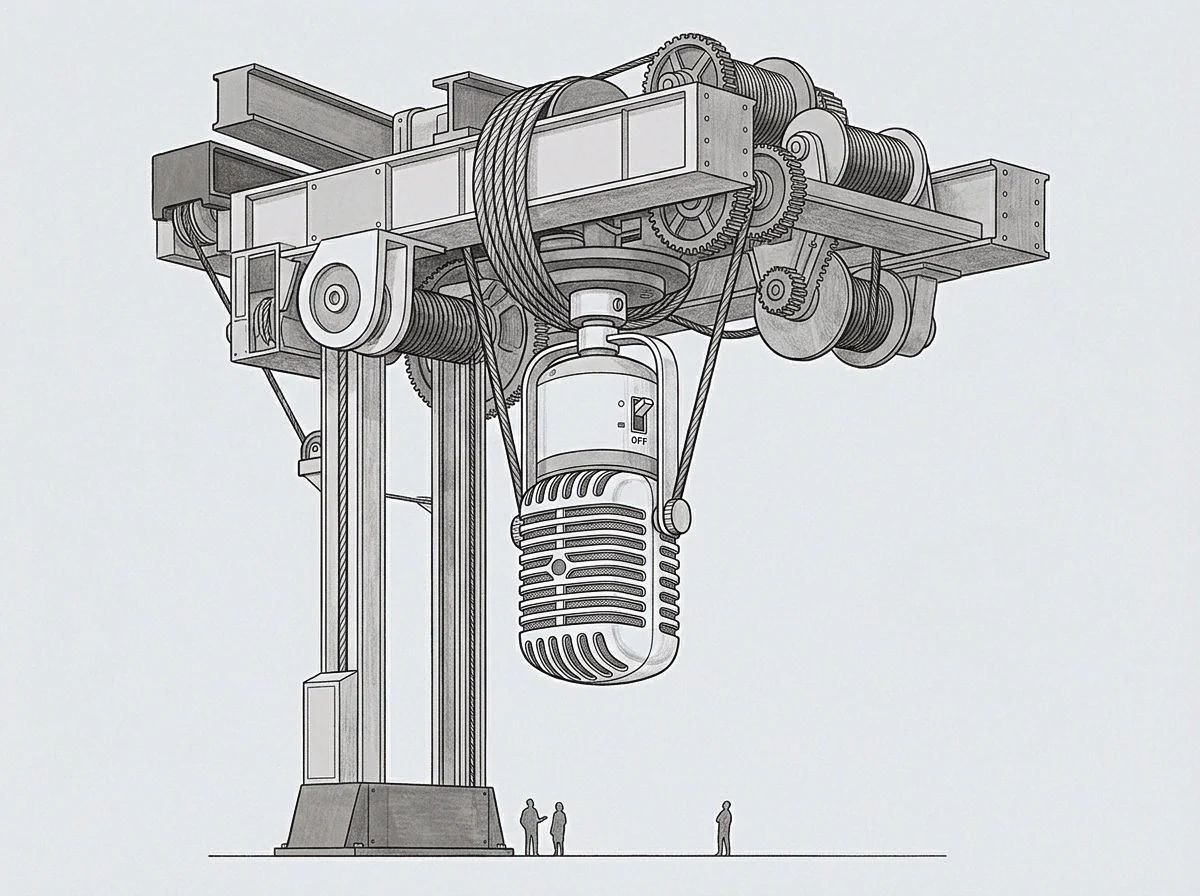
Autonomic Drift
Unchecked operational demands gradually alter the neural set point over months of leadership. This downward somatic drift occurs when high-stress events recur without sufficient intervals for physiological recovery. Constant vigilance maintains a persistent state of sympathetic arousal that displaces the original resting state.
Co-regulation with peers or partners temporarily offsets this cost by borrowing external nervous system stability, but the borrowed capacity vanishes the moment isolation returns. The metabolic price of maintaining elevated arousal without adequate recovery shows up as a measurable decline in sustained attention and decision throughput.
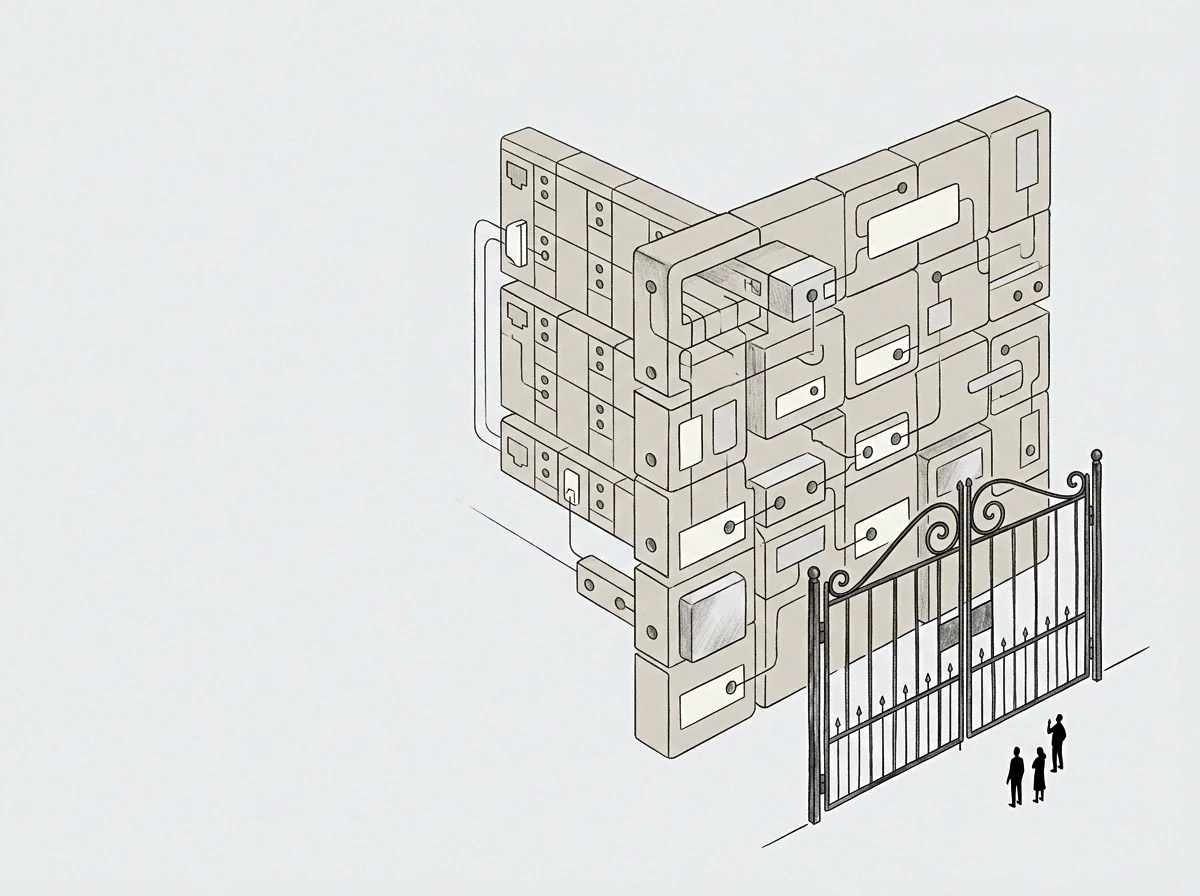
Endocrine Toll
Sustained physiological activation alters baseline hormone production in ways that directly constrain daily capacity. Cortisol and adrenaline remain elevated long after immediate operational crises resolve, which prevents the somatic baseline from returning to a resting state. This chronic elevation consumes cellular energy that would otherwise support complex reasoning and long-term planning.
Attention narrows toward immediate threat management while the physical frame absorbs the silent cost of continuous readiness. Metabolic exhaustion eventually follows as tissue repair mechanisms are deprioritized in favor of immediate functional output.
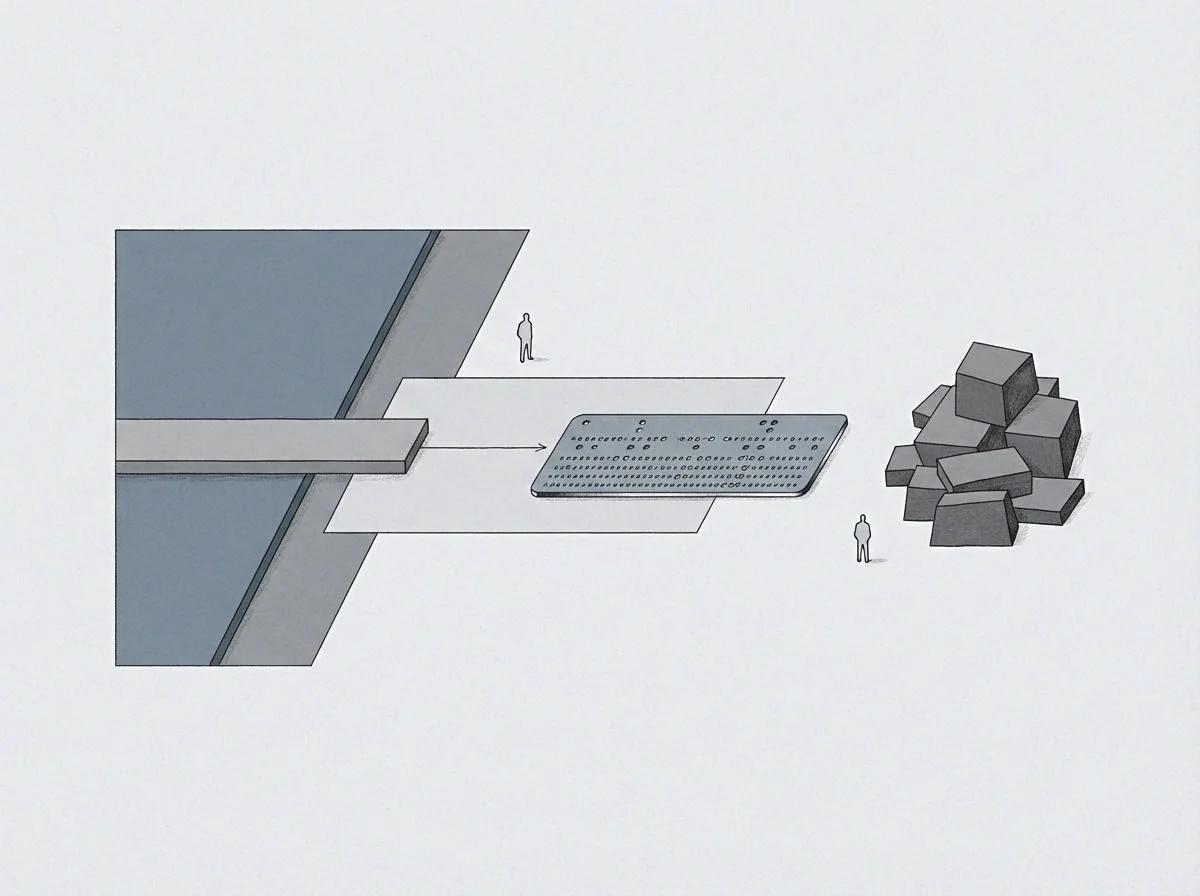
Capacity Floor
Physiological exhaustion establishes a hard limit on what a founder can accomplish regardless of intent or skill. The somatic baseline drops until even minor operational friction triggers severe fatigue and emotional constriction. Throttling occurs automatically when neural reserves are depleted, reducing daily output to prevent catastrophic physiological collapse.
Recovery requires deliberate structural interventions rather than willpower, because the exhausted nervous system cannot regulate itself back to equilibrium without extended downtime. This biological threshold determines the ultimate boundary of sustainable leadership long before external market pressures intervene.