
How Lateral Peer Buffering Lowers Executive Allostatic Load In Crisis
Lateral peer buffering blunts executive allostatic load during crisis by distributing neural threat appraisal across non-evaluative, structurally symmetric equals.
Lateral peer buffering blunts executive allostatic load during crisis by distributing neural threat appraisal across non-evaluative, structurally symmetric equals.
Deep strain floods threat networks, suppressing prefrontal channels and blocking the neural slots required to process external calm as a physiological subsidy.
Solitary executive seats elevate prefrontal metabolic costs by stripping away social baseline co-regulation, forcing autonomic vigilance and bioenergetic debt.
Myelinated ventral vagal fibers slow cardiac rhythm when physical co-presence carries zero evaluative or communicative demand, lowering metabolic regulation costs.
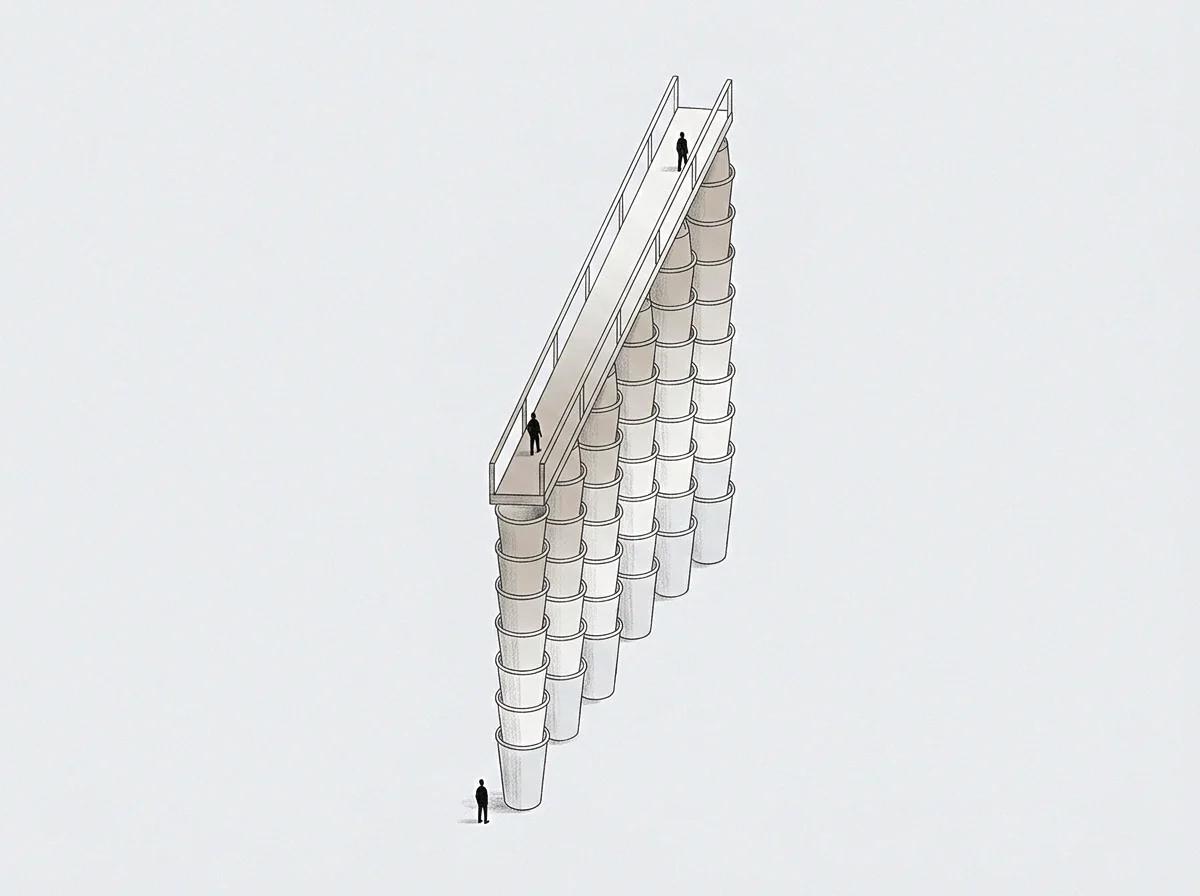
Operational panic concentrates into the calmest executive present whose nervous system absorbs the metabolic cost of stabilizing the entire leadership circle.
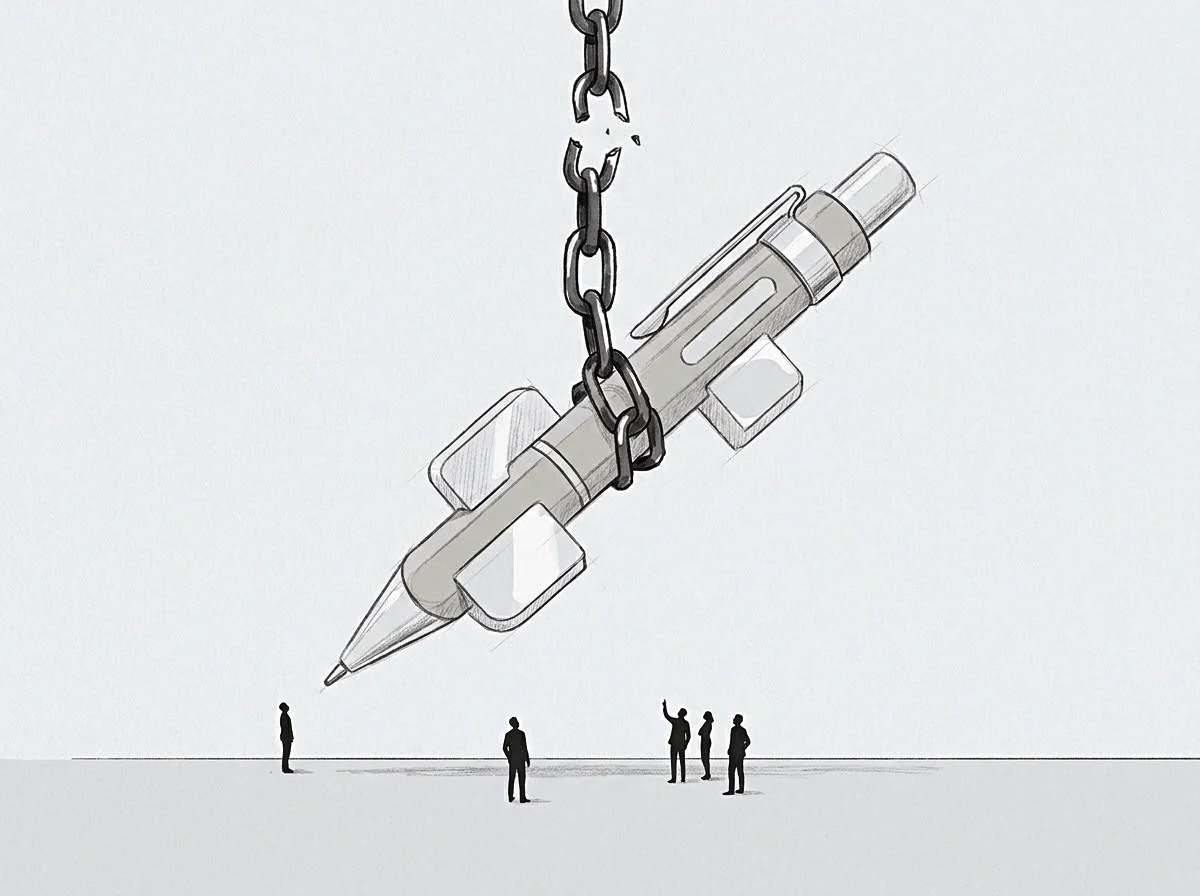
Autonomic safety after high-stress isolation requires repeated low-demand physical proximity to downregulate chronic sympathetic vigilance.

Extended isolation recalibrates the central nervous system to treat dyadic proximity as a metabolic load rather than a co-regulatory buffer.
The terms are written where they belong. Each field holds three desks, and every entry a desk writes raises the terms it uses, each term given a meaning, a mechanism and the places it appears. The record on these pages stays first person and hand made; the fields grow the nomenclature.